Why British Agency MI5 Spied Their Own Health Service Founder For Decades
Source Entity
NDTV News Search Records Found 1000
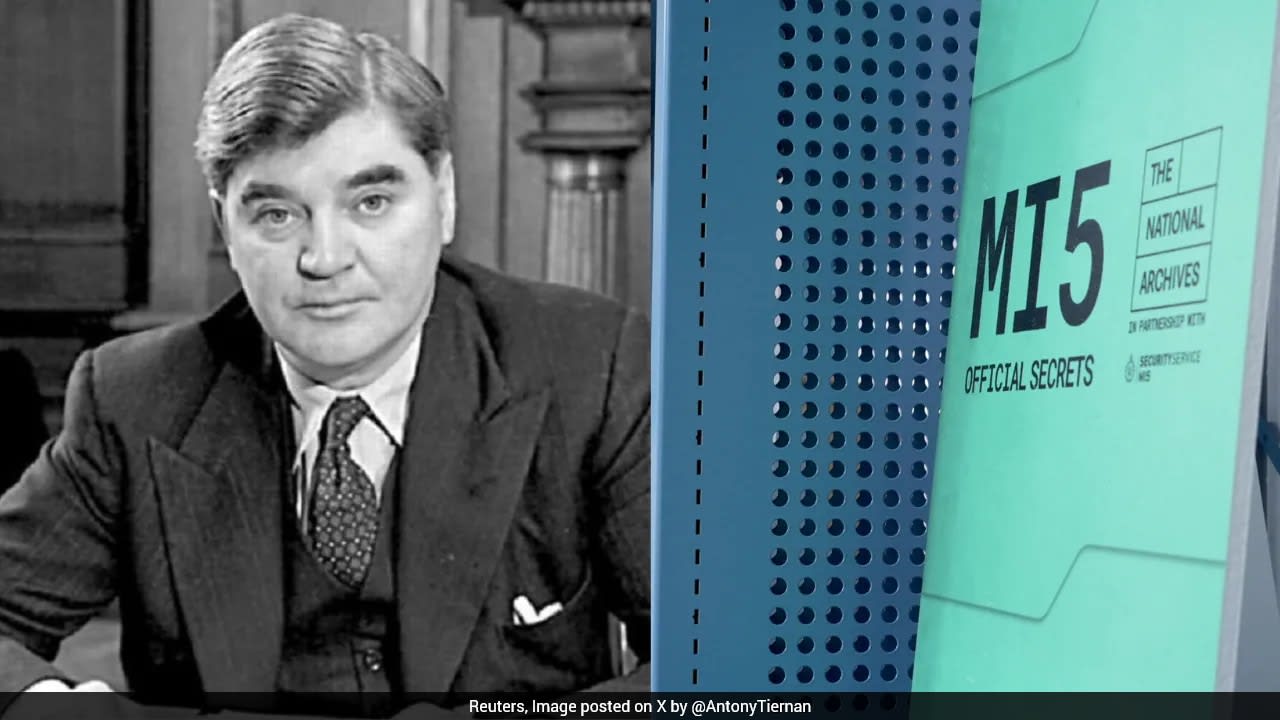
Newly surfaced intelligence files reveal that British security agency MI5 monitored NHS founder Nye Bevan for decades. This surveillance highlights the historical tensions between the British state and its prominent socialist figures during the Cold War era.
The Shadow Over the NHS Founder: An MI5 Perspective
The Surveillance of Nye Bevan
Recent historical disclosures have shed light on a clandestine chapter of British governance: the decades-long surveillance of Aneurin 'Nye' Bevan by MI5. As the architect of the National Health Service (NHS), Bevan stands as one of the most transformative figures in British political history, having successfully shepherded the universal, state-funded healthcare system into existence in 1948. Despite his monumental contribution to the social fabric of the United Kingdom, newly surfaced files confirm that the intelligence apparatus viewed him with deep suspicion for much of his career.
Contextualizing the Cold War Climate
To understand why a state agency would monitor a government minister, one must consider the paranoid geopolitical climate of the mid-20th century. The post-war era was defined by the onset of the Cold War, where intelligence agencies were hyper-vigilant regarding perceived communist infiltration. Bevan, a staunch socialist and a leading figure in the Labour Party, often utilized rhetoric that challenged the capitalist status quo. MI5’s scrutiny of Bevan reflects a period where the British establishment frequently conflated radical domestic political reform with threats to national security.
The Tension Between Reform and Control
Bevan’s achievement in founding the NHS was not merely a administrative feat; it was a radical shift in the social contract between the British state and its citizens. By providing healthcare free at the point of use, he disrupted traditional power dynamics. The surveillance reveals a fundamental tension: while the government relied on Bevan to implement the NHS, the security services simultaneously harbored fears that his socialist ideology might undermine the state from within. This dichotomy illustrates how intelligence agencies often operated with a degree of autonomy that challenged the very democratic processes their targets championed.
Historical Implications of State Oversight
The revelation that Bevan was under surveillance until his death in 1960 provides a sobering look at the reach of the 'deep state' during the 20th century. It raises critical questions regarding the balance between national security and the rights of political figures to advocate for systemic change. The fact that an individual who effectively birthed one of the UK’s most cherished institutions was labeled a person of interest by intelligence services suggests a systemic distrust of socialist policy-making that persisted throughout the Cold War.
Legacy and Future Trends in Intelligence Transparency
Today, the release of these files serves as a vital case study in historical transparency. As modern governments continue to navigate the challenges of digital surveillance and national security, the case of Nye Bevan serves as a reminder of how political labels can influence state behavior. The trend toward declassifying these records is essential for a healthy democracy, allowing the public to understand the hidden motivations of past administrations and ensuring that the legacy of figures like Bevan is viewed through the lens of historical truth rather than intelligence-driven bias.
Verification Required?