Rajasthan panchayat polls: Jaipur leads with 14.70% polling till 10 a.m. in first phase
Source Entity
India Latest News: Top National Headlines Today & Breaking News | The Hindu
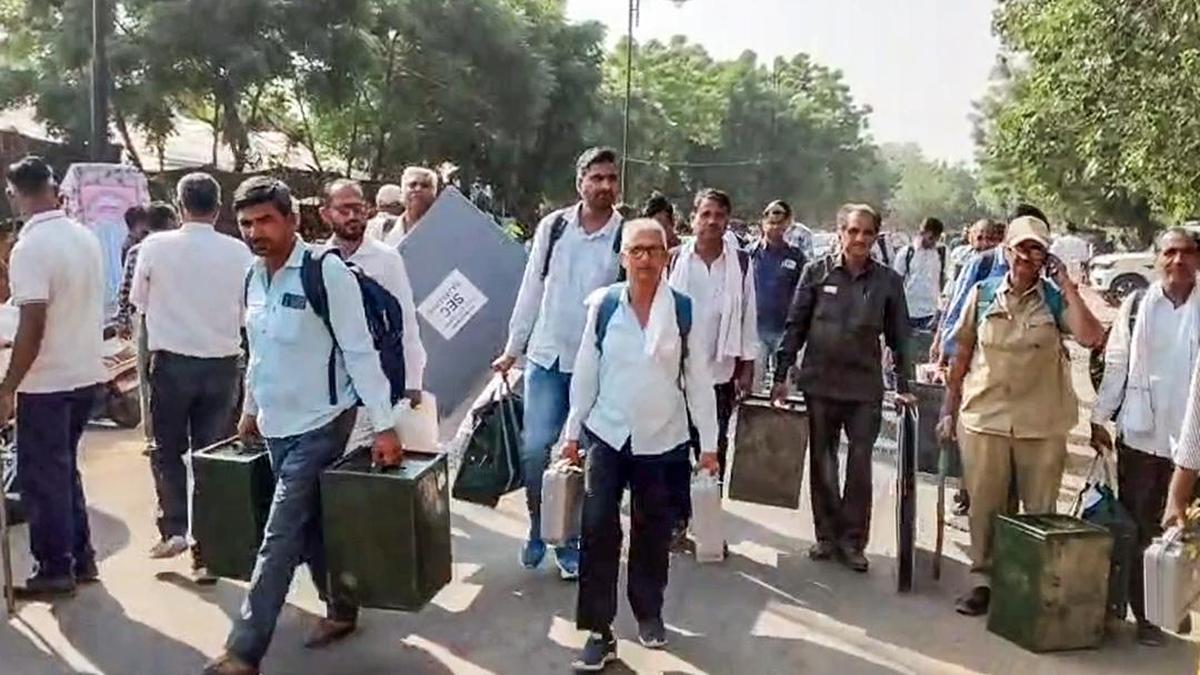
Rajasthan's first phase of Panchayati Raj elections saw a 56.74% voter turnout, with 85 lakh citizens eligible to vote. Jaipur led early voting, while isolated boycotts occurred due to local reservation and delimitation disputes.
Rajasthan Panchayati Raj Elections: A Snapshot of Grassroots Democracy
On October 22, 2026, the state of Rajasthan commenced the first phase of its significant Panchayati Raj elections, a cornerstone of local governance that directly impacts rural development and administrative accountability. With over 85 lakh voters eligible to participate, the scale of this democratic exercise underscores the importance of local bodies in the state's political fabric. The initial hours of voting showed a robust engagement, with Jaipur district leading the turnout at 14.70% by 10 a.m., signaling high early-morning civic interest.
Participation Trends and Geographical Variations
The electoral data reveals a nuanced picture of voter enthusiasm across Rajasthan. While the overall turnout reached 56.74% by the close of polls at 6 p.m., specific regions exhibited starkly different levels of engagement. Districts such as Ajmer, Alwar, and Kota maintained steady participation throughout the morning, contributing to the initial state-wide turnout of 11.74%. By the end of the day, the extremes in participation were evident: Naai and Mangta Panchayat Samitis recorded a high turnout of 79%, whereas the Rani station Panchayat Samiti in Pali lagged at 40%.
The Mechanics of the Election
This phase of the election covered 16 zila parishads and 104 panchayat samitis, involving a total of 6,976 candidates vying for 2,081 seats. These seats are segmented into 293 zila parishad wards and 1,788 panchayat samiti wards. The sheer volume of candidates reflects the competitive nature of rural politics in India, where local body representatives serve as the primary bridge between the state government and the rural population, managing local infrastructure, sanitation, and social welfare schemes.
Challenges and Localized Dissent
Despite the largely peaceful conduct of the polls, the process was not without friction. Reports indicated isolated incidents of election boycotts, specifically linked to long-standing grievances regarding reservation policies and the recent delimitation of electoral boundaries. Such protests highlight the complexities of village-level politics, where legislative adjustments to boundaries or quotas can directly alter the power dynamics of a local community, often leading to deep-seated frustration among affected groups.
Contextualizing the Multi-Phased Approach
The decision to conduct these elections in three phases for a total of 41 zila parishads and 457 panchayat samitis demonstrates the logistical complexity involved in managing rural polls for over 14,000 gram panchayats. This staggered approach is essential for the Election Commission to ensure adequate security, proper distribution of ballot materials, and the management of a massive workforce. As the state moves toward the subsequent phases, the focus will remain on whether the turnout patterns observed in the first phase persist.
Future Implications for Local Governance
The outcome of these elections will have profound implications for the implementation of state and central government initiatives at the village level. As newly elected representatives begin their terms, they will be tasked with navigating the very issues—such as delimitation and resource allocation—that caused friction during the campaign period. The high level of participation in most areas suggests that despite localized boycotts, the electorate remains committed to the democratic process as the primary vehicle for addressing their local grievances.
Verification Required?