Congress Won't Return To Power For 30 Years: Amit Shah's Jibe At Rahul Gandhi
Source Entity
NDTV News Search Records Found 1000
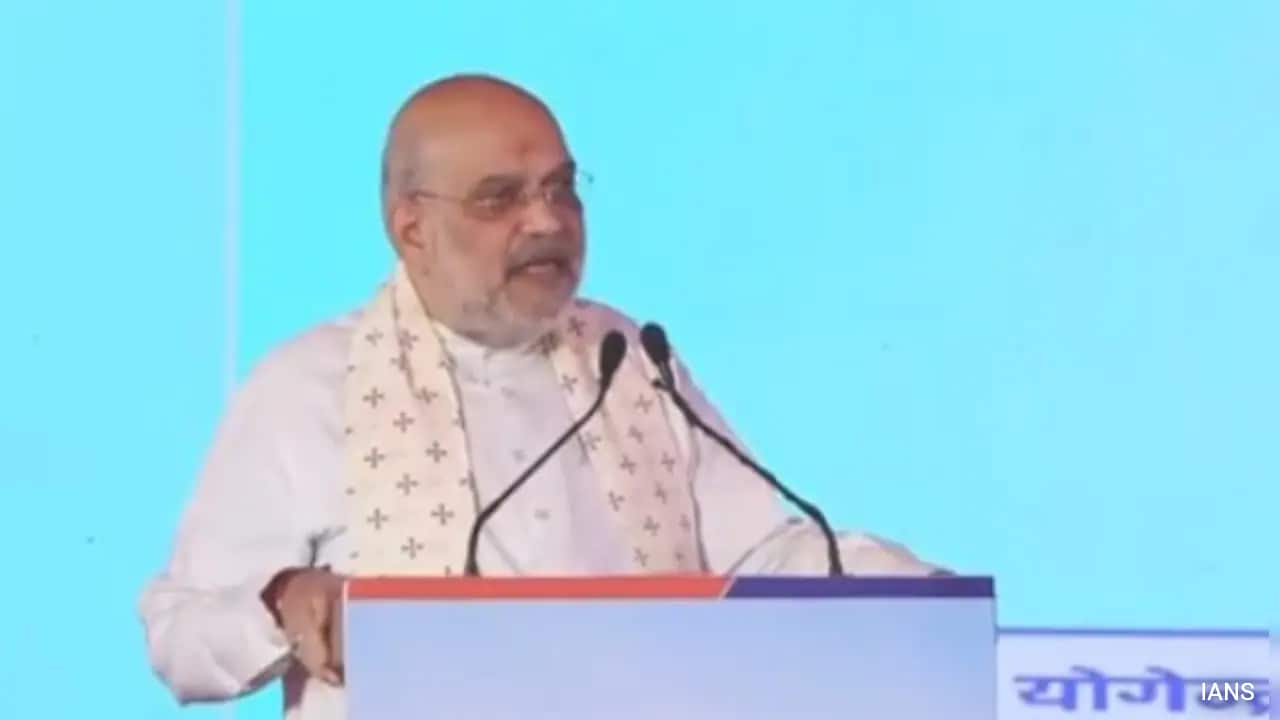
Union Home Minister Amit Shah has launched a sharp critique against the Opposition, predicting a long-term electoral decline for Congress and accusing them of undermining national security. He simultaneously championed infrastructure development during a major project launch in Delhi.
Political Confrontation and Infrastructure Development
Union Home Minister Amit Shah recently engaged in a dual-pronged approach, balancing sharp political rhetoric against the Opposition with the launch of critical infrastructure projects in Delhi. During the inauguration and foundation-laying ceremony for projects worth Rs 8,941 crore—focused specifically on the Delhi Jal Board and the cleaning of the Yamuna River—Shah used the platform to cast doubt on the future electoral prospects of the Congress party. He asserted that the Congress would not return to power for the next 30 years, framing the BJP’s ongoing influence as a permanent shift in India’s political landscape.
The Narrative of 'Vote Chori' and National Security
Central to Shah’s recent commentary is the accusation that Opposition parties are utilizing claims of electoral irregularities, such as 'vote chori' (vote theft) and issues with Electronic Voting Machines (EVMs), as a facade. According to Shah, these allegations are not genuine concerns regarding democratic integrity but are instead strategic maneuvers designed to protect the voting rights of infiltrators. By framing the Opposition’s grievance as a threat to national security, the Home Minister has elevated the debate from procedural political disagreement to a matter of protecting India’s sovereign interests.
Addressing Internal Stability and External Influence
Shah has expressed significant concern regarding what he describes as anti-national elements attempting to destabilize India. Drawing parallels to recent civil unrest in neighboring Nepal and Bangladesh, he warned that certain forces, potentially backed by foreign interests, are conspiring to trigger similar agitations within India. He explicitly linked these efforts to the Opposition, suggesting that calls for 'regime change' are part of a broader, dangerous strategy to undermine the Constitution and fuel extremism through activities like drug trafficking.
The Intersection of Governance and Ideology
This rhetoric serves to solidify the BJP’s image as the primary guardian of India’s constitutional and internal stability. By positioning the party as the sole entity capable of maintaining order against both domestic political opposition and external threats, Shah is reinforcing the narrative that the current government is the sole architect of modern India’s developmental march. His focus on infrastructure projects like the Yamuna revival is intended to provide a tangible counter-narrative to claims of political mismanagement, showcasing the government's commitment to urban development and resource management.
Future Implications and Electoral Predictions
Looking ahead, Shah has specifically predicted the electoral defeat of the Aam Aadmi Party (AAP) in the upcoming Punjab Assembly elections. This forecast is part of a wider strategy to delegitimize the Opposition’s claims of electoral malpractice by projecting confidence in the BJP’s grassroots reach. As the political climate intensifies, the government’s focus remains on framing electoral losses for the Opposition as a direct consequence of their disconnect from national security priorities, while simultaneously pushing forward with large-scale development projects to secure public support.
Conclusion
The synthesis of infrastructure development and aggressive political posturing underscores a high-stakes environment in Indian politics. As the Home Minister links the integrity of the electoral process to national security, the divide between the ruling government and the Opposition continues to widen. The coming election cycles will likely be defined by this tension, where developmental achievements and nationalistic narratives serve as the primary battlegrounds for political dominance in the next decade.
Multiple Citing Sources
Verification Required?