CJP leaders Saurav Das, Ashutosh Ranka summoned by Delhi Police day after release
Source Entity
AASTHA JHA
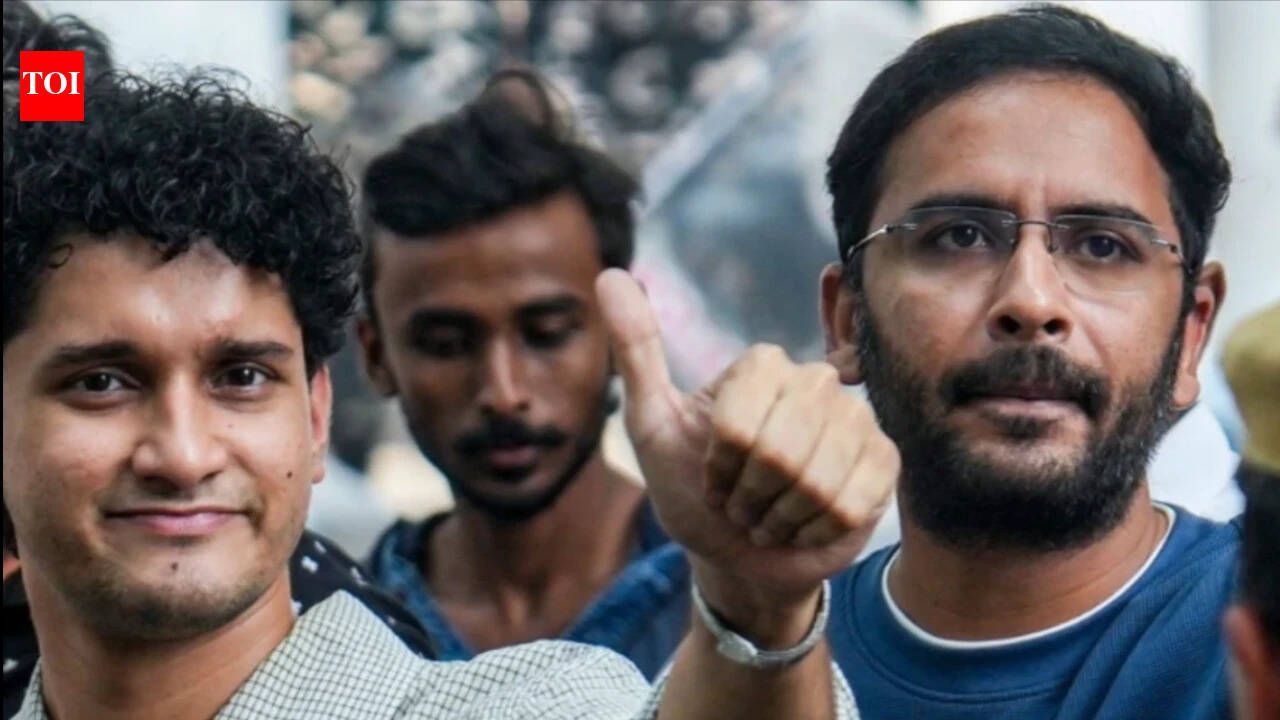
Cockroach Janta Party (CJP) leaders Saurav Das and Ashutosh Ranka have been released from Tihar Jail following the expiry of their judicial custody related to an October 14 Jantar Mantar protest. Despite their release, the Delhi Police have reportedly summoned the leaders again, signaling ongoing legal pressure on the party.
The Release and Re-summons of CJP Leadership
The Cockroach Janta Party (CJP) recently experienced a significant development as its prominent leaders, Saurav Das and Ashutosh Ranka, were released from Tihar Jail. Their incarceration followed an October 14 protest at Jantar Mantar, a site historically synonymous with political dissent and public demonstration in New Delhi. The release was facilitated by an order from the Special Executive Magistrate (SEM) court upon the expiry of their judicial custody, marking a temporary reprieve for the party's top brass.
Internal Dynamics and Leadership Recognition
Following their release, CJP founder Abhijeet Dipke issued a public statement that underscored the internal hierarchy and camaraderie within the organization. By labeling Das and Ranka as "much, much bigger leaders" than himself and declaring his willingness to follow their directives, Dipke appears to be consolidating party morale. This rhetoric serves as a strategic move to project unity during a period of legal instability, framing the leaders as martyrs for the cause while reinforcing the party's ideological commitment.
The Role of Legal Advocacy
Ratna Singh, the legal head of the CJP, expressed that the court’s decision to release the leaders was overdue, suggesting a belief within the party that the detention was legally tenuous. The reliance on the SEM court highlights the intersection of administrative law and political activism, where authorities often utilize preventive detention powers to manage public order during protests. The CJP’s vocal criticism of the timeline of this release indicates an intent to leverage the judicial process as a platform for political narrative-building.
Escalating Tensions with Law Enforcement
Despite the relief of their release, the situation for the CJP remains precarious. Reports that Delhi Police have summoned Das and Ranka shortly after their exit from Tihar Jail suggest that the October 14 protest continues to carry significant legal weight. This rapid sequence of events—release followed by immediate summoning—indicates an ongoing investigation, suggesting that the authorities are not yet satisfied with the outcome of the initial inquiry into the protest activities.
Broader Implications for Political Activism
This incident at Jantar Mantar serves as a microcosm of the challenges faced by smaller, emerging political entities in India. The use of judicial custody and subsequent police summons reflects the heightened scrutiny placed on public demonstrations. For the CJP, the ability to navigate these legal hurdles while maintaining a public-facing image of strength will be critical for their future growth and their ability to mobilize supporters in the capital.
Future Trends and Outlook
The immediate future for the CJP will likely be defined by how effectively they manage these recurring legal summons. If the party continues to frame these interactions with the police as state-sponsored pressure, they may succeed in galvanizing their base. Conversely, the continuous legal friction could drain the party's resources and focus, limiting their capacity for broader political campaigning. All eyes will remain on the upcoming interactions between the CJP leadership and the Delhi Police as this situation evolves.
Multiple Citing Sources