INDIA bloc leaders' virtual meeting to discuss roadmap for ‘vote chori’ protests deferred
Source Entity
India Latest News: Top National Headlines Today & Breaking News | The Hindu
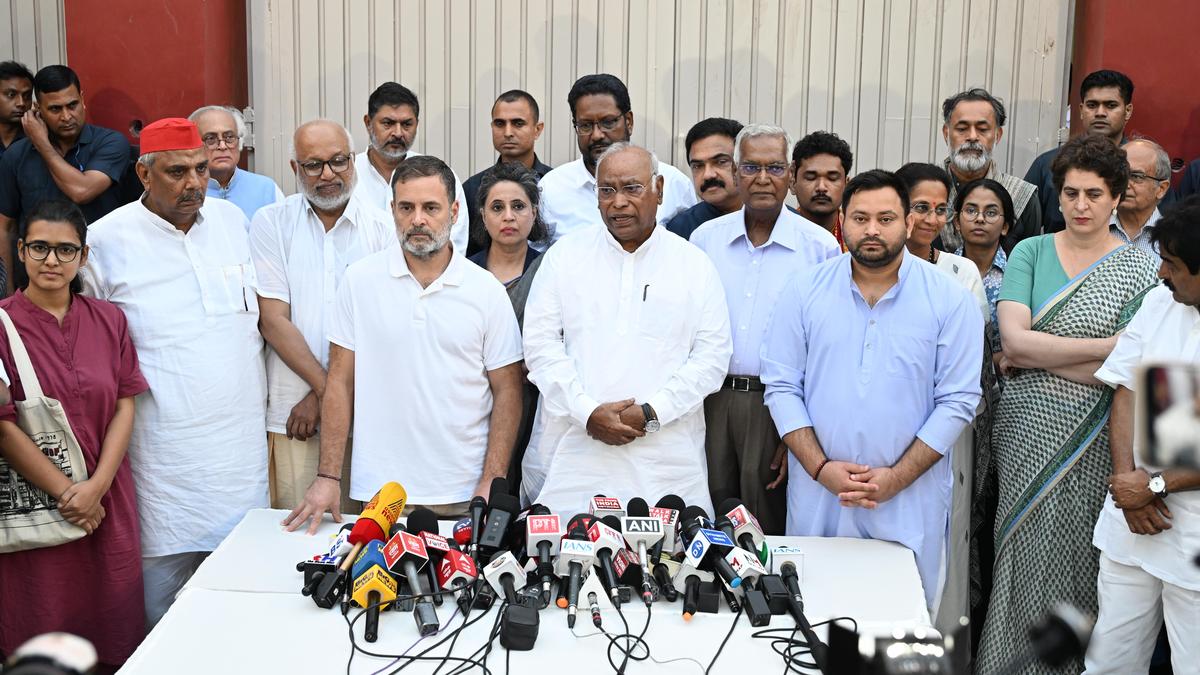
The INDIA bloc has deferred its virtual meeting aimed at strategizing protests against the Election Commission over alleged 'vote chori' issues. The coalition intends to discuss the resignation of CEC Gyanesh Kumar and finalize preparations for a November 1 rally in Delhi.
Strategic Deferral: INDIA Bloc Pauses Protest Planning
The decision by the INDIA bloc to defer its scheduled virtual meeting marks a notable shift in the opposition's tactical approach to confronting the ruling government. Originally intended to convene on October 22, 2026, the meeting was set to be chaired by Congress President Mallikarjun Kharge. The postponement suggests a recalibration of internal strategy, as the coalition navigates the complexities of organizing a unified national response to their grievances.
The 'Vote Chori' Allegations and Accountability
At the heart of the proposed discussions lies the contentious 'vote chori' (vote theft) narrative. The opposition has consistently raised concerns regarding the integrity of the electoral process, culminating in direct calls for the resignation of Chief Election Commissioner Gyanesh Kumar. By focusing on the institutional leadership of the Election Commission, the INDIA bloc is attempting to frame the issue as a systemic crisis of democratic accountability rather than a localized electoral dispute.
Preparing for the November 1 Rally
Beyond the immediate rhetoric surrounding the CEC, the meeting was slated to review logistical preparations for a high-stakes rally scheduled for November 1 in Delhi. This rally serves as a critical pressure point for the coalition, intended to demonstrate public support and consolidate their messaging against the government. The coordination required for such a large-scale event necessitates a unified stance among diverse coalition partners, making the postponement a potential indicator of the logistical hurdles involved in managing a multi-party alliance.
Coalition Dynamics and Future Trends
Historically, the INDIA bloc has utilized such leadership meetings to iron out ideological differences and present a cohesive front. The decision to delay this specific session highlights the inherent challenges in managing a broad-based coalition. If the bloc continues to pivot toward aggressive protest strategies, future trends suggest an escalation in political friction between the opposition and the Election Commission, potentially shaping the discourse leading up to future legislative sessions.
Broader Implications for Democracy
The persistent focus on the 'vote chori' issue underscores a deepening divide regarding the perceived impartiality of constitutional bodies. By demanding the resignation of the Chief Election Commissioner, the opposition is testing the boundaries of political agitation and institutional oversight. The outcome of the November 1 rally, and the subsequent roadmap formulated by the bloc, will likely define the opposition's legislative and public engagement strategy for the remainder of the year.
Conclusion
While the current meeting has been deferred, the underlying objectives—challenging the current electoral administration and mobilizing public sentiment—remain central to the INDIA bloc's agenda. The coalition's ability to successfully reorganize this meeting and execute their planned rally will be a litmus test for their organizational unity and their effectiveness as a primary opposition force in the current political climate.
Verification Required?