'Some photos were inconsistent with our policy': Bikaner House on Raihan Vadra's exhibit takedown amid row
Source Entity
Latest News: Todays Latest News Headlines from India & World | Hindustan Times | Hindustan Times
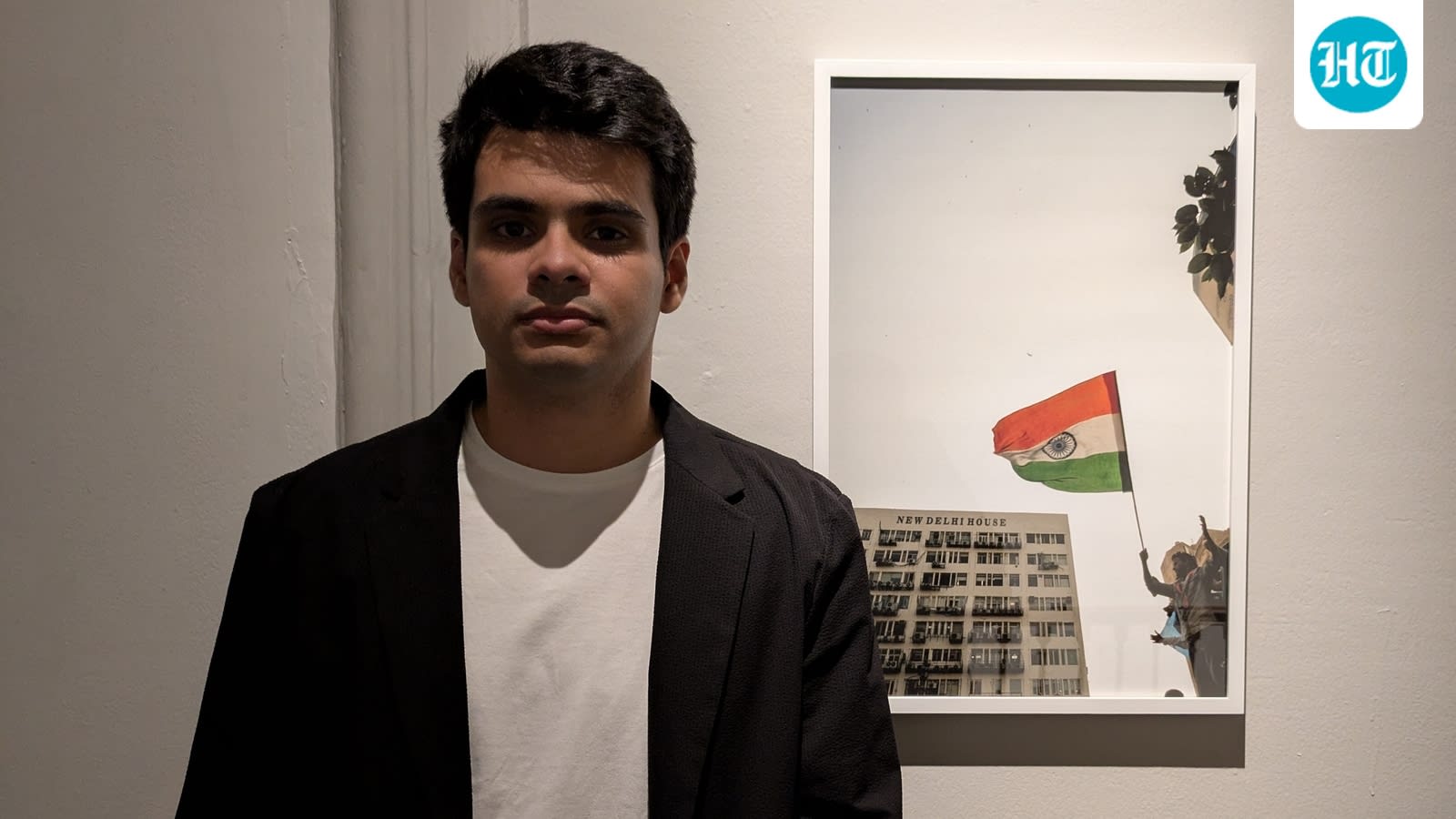
Priyanka Gandhi Vadra has publicly defended her son, Raihan Vadra, after Bikaner House management allegedly removed his photographs depicting Delhi protests. The incident has sparked a political controversy, with the BJP accusing the Gandhi family of political posturing.
The Intersection of Art and Political Expression
The recent controversy surrounding Raihan Vadra’s debut exhibition at Bikaner House in New Delhi has ignited a broader debate regarding the boundaries of artistic freedom and the influence of institutional power. Raihan Vadra, a visual artist and the son of Congress leader Priyanka Gandhi Vadra, alleged that venue management demanded the removal of specific photographs documenting protests by young people in Delhi, including images featuring the national flag. This incident has transformed a private artistic display into a public discourse on censorship and the state of civil liberties.
The Stance of the Gandhi Family
Priyanka Gandhi Vadra responded to the situation by utilizing the social media platform X, framing the removal of the photographs as a symptom of insecurity among those in positions of authority. Her message emphasized that fear of expression ultimately undermines the very power structures attempting to suppress it. By publicly backing her son, she has elevated the incident from a local administrative dispute at a cultural venue to a symbolic defense of freedom of speech, aligning the artistic choices of her son with the broader political philosophy of the Congress party.
Political Backlash and Allegations
Predictably, the incident has drawn sharp criticism from political opponents. BJP spokesperson Gaurav Bhatia utilized the event to launch a critique against the Gandhi family, characterizing the exhibition as a vehicle for political promotion rather than artistic endeavor. By labeling the event a 'launch' for Raihan Vadra, the BJP has sought to frame the controversy as a calculated political move, attempting to delegitimize the artistic concerns raised by the younger Vadra by contextualizing them within the ongoing rivalry between the ruling party and the opposition.
Institutional Dynamics and Censorship
Bikaner House, a historic venue in the national capital, operates under specific management protocols that often balance public interest with administrative oversight. The decision to remove images depicting protests highlights the ongoing tension in India regarding the display of political dissent in public or state-affiliated spaces. This incident serves as a case study for how cultural institutions navigate the pressures of political sensitivity, particularly when the subject matter involves contemporary social movements or protests that challenge the status quo.
Broader Implications for Artistic Freedom
Raihan Vadra’s experience underscores a recurring trend in the creative arts, where artists are increasingly finding themselves at odds with administrative or political gatekeepers. When an exhibition is censored or curated under duress, it raises questions about the definition of 'public interest' and who holds the authority to decide which narratives are fit for display. The involvement of high-profile political figures only amplifies these concerns, ensuring that the debate over what constitutes acceptable artistic expression remains a highly polarized issue.
Concluding Thoughts
As the controversy continues to unfold, the incident at Bikaner House serves as a microcosm of the current political climate in India. It demonstrates how art, politics, and the digital sphere converge to create intense public scrutiny. While the Gandhi family views the event as an issue of fundamental rights and personal integrity, their political opponents see a strategic opportunity to challenge their legitimacy. Ultimately, the episode underscores the precarious nature of public exhibitions in a highly charged political environment, leaving the future of such displays subject to the evolving standards of institutional and political tolerance.
Multiple Citing Sources
Verification Required?