AIPAC retreats from candidate endorsements and direct giving as political backlash grows
Source Entity
US Top News and Analysis
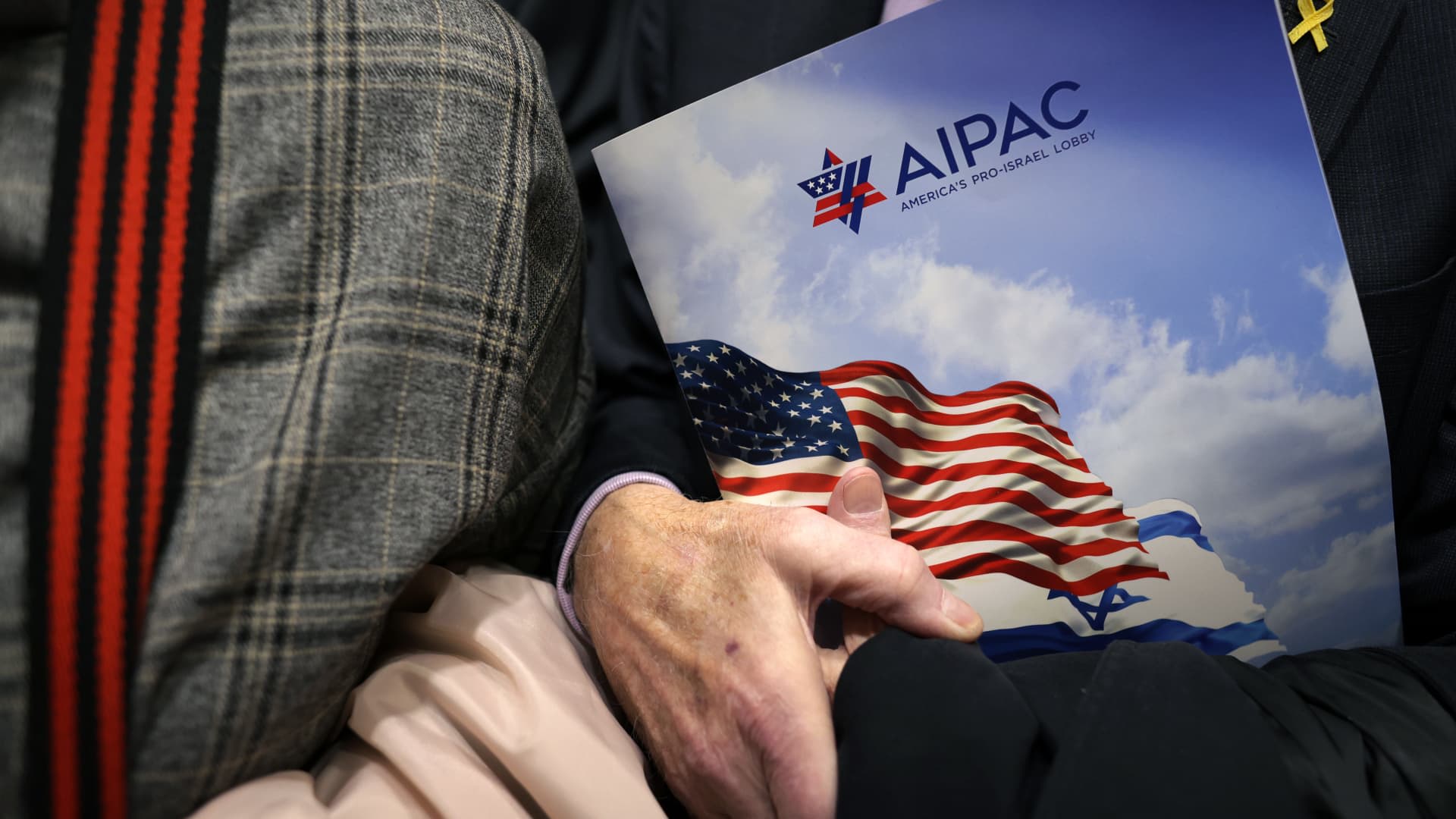
AIPAC is significantly shifting its political strategy by ending direct candidate endorsements and PAC contributions. The organization will instead pivot toward mobilizing individual donors while maintaining its United Democracy Project super PAC.
AIPAC Shifts Strategic Course Amid Political Pressure
The American Israel Public Affairs Committee (AIPAC), one of the most prominent lobbying organizations in Washington, D.C., has announced a significant pivot in its political engagement strategy. According to a letter distributed to its members, the organization will cease making direct candidate endorsements, direct PAC contributions, and earmarking contributions to political campaigns. This decision marks a reversal of the strategy implemented five years ago, signaling a calculated attempt to navigate a changing political landscape.
Understanding the Strategic Pivot
For years, AIPAC functioned as a central node for pro-Israel advocacy, utilizing direct financial mechanisms to influence legislative outcomes. By moving away from direct endorsements and direct PAC giving, the organization is effectively decentralizing its political footprint. While this might appear as a withdrawal, the leadership emphasizes that the move is designed to "dramatically expand" their political involvement. By shifting the burden of financial support to individual donors, AIPAC aims to leverage its vast grassroots network rather than relying on institutionalized, centralized contributions.
The Role of the United Democracy Project
Despite the cessation of direct PAC contributions, AIPAC remains deeply entrenched in the electoral process through its super PAC, the United Democracy Project (UDP). The continued operation of the UDP suggests that AIPAC is not retreating from the political arena but rather refining its tactical approach to match the current regulatory and political climate. Super PACs are permitted to raise and spend unlimited amounts of money from individuals and corporations, provided they do not coordinate directly with candidate campaigns. This allows AIPAC to continue exerting significant influence over electoral outcomes while distancing itself from the direct candidate-to-PAC financial pipeline.
Navigating Mounting Political Backlash
The decision to alter its strategy comes against a backdrop of mounting political resistance. As polarization in the United States reaches historic highs, traditional lobbying firms have faced increased scrutiny regarding their influence on elections. The backlash against AIPAC’s previous, more aggressive financial strategies has likely forced a reevaluation of how the organization maintains its influence without becoming the primary target of political vitriol. By mobilizing individual donors, AIPAC can maintain its legislative goals while potentially softening the optics of its involvement.
Broader Implications for Lobbying
The shift in AIPAC's operations highlights a broader trend in American politics where influence-peddling is moving toward more diffuse, grassroots-driven models. As the organization transitions away from direct endorsements, it is betting that a decentralized network of donors will be more resilient and harder to characterize as a monolithic lobbying entity. Whether this strategy will successfully mitigate the rising criticism remains to be seen, but it certainly reflects a sophisticated adaptation to modern political realities.
Future Outlook
As AIPAC shifts its focus toward grassroots mobilization, the impact on future congressional elections will be a critical indicator of the strategy's success. By continuing to leverage the United Democracy Project, the organization maintains a powerful tool for shaping the legislative agenda. The success of this transition will depend on the commitment of its donor base to sustain this level of political engagement without the direct guidance of institutional endorsements. The coming election cycles will demonstrate if this shift effectively preserves AIPAC's clout in Washington.