Good type against all odds
Source Entity
Hacker News
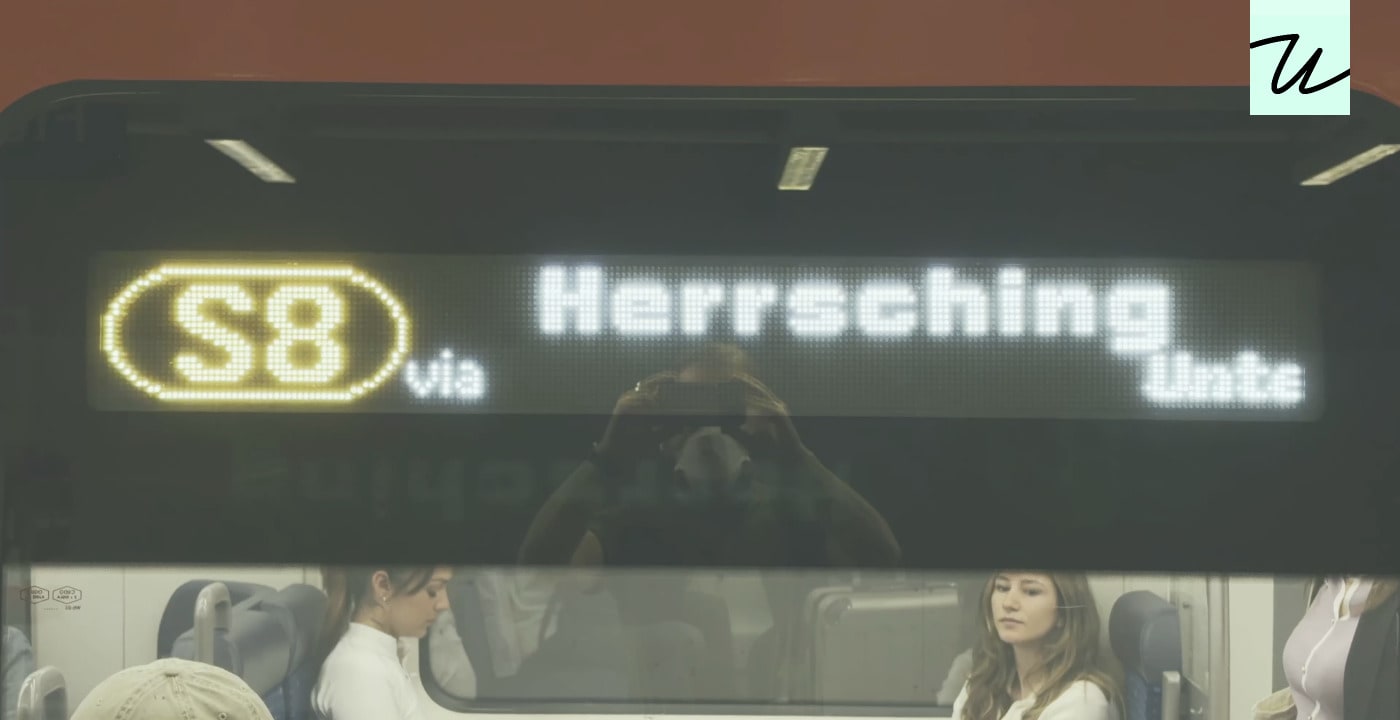
The slanted appearance of scrolling text on certain digital displays is caused by a rolling shutter effect, similar to photography. This phenomenon occurs because displays update line-by-line rather than as a single frame.
The Physics of Digital Typography
At the intersection of hardware engineering and visual perception lies a curious phenomenon: the unintended slanting of text during digital scrolling. While users often perceive this as a software quirk or a stylistic choice, it is, in reality, a fundamental side effect of how many digital displays render information. The process is not instantaneous; instead, the display updates line by line, beginning at the top and progressing toward the bottom.
The Rolling Shutter Effect
The root cause of this slant is mechanically identical to the 'rolling shutter' effect commonly observed in digital photography and videography. As the display updates, the internal horizontal position of the image data advances slightly before the final lines of the frame are drawn. Because the display is in constant motion during a scroll, these subsequent lines are rendered slightly to the left of the previous ones. This shift creates a diagonal, slanted appearance that mimics italics, despite the font itself being upright.
Cultural Context and Design Bias
Interestingly, the way we perceive this visual artifact is deeply rooted in our linguistic and cultural conventions. In both English and German, the direction of reading—from left to right—influences our expectation of how movement should appear. We have been conditioned to view leftward scrolling as natural, and our typographic standards have solidified the idea that only one specific direction of italic slant is aesthetically appropriate or legible.
Custom and Convention in Typography
Typography has always been a field defined by a blend of technical limitations and human custom. The 'slant' we see on scrolling screens is an accidental marriage of these two forces. While the hardware limitation dictates the presence of the slant, our cultural interpretation of 'proper' italicization dictates how we categorize the visual result. It is a reminder that what we consider standard in digital design is often just a convention born from the constraints of the medium.
Future Implications for Hardware
As display technology evolves, the goal for engineers is to minimize these latency issues to ensure a perfectly rectangular update. However, until global refresh rates and pixel response times reach a state of absolute synchronicity, this rolling shutter effect will remain a hallmark of digital displays. Understanding these limitations allows developers and designers to better account for how text is rendered, ensuring that readability is maintained even when hardware constraints introduce unintended visual artifacts.