
The Black Box Problem
Cells are black boxes. Associate Professor Kate Adamala at the University of Minnesota identifies this void as the primary barrier to actual engineering. Trial and error suffices for minor tweaks. True operational understanding requires a complete reconstitution of natural biology.
"If you don't have the blueprints, even if you figured out how to change one element by trial and error, you still don't have this full operational understanding of what you're working with."— Kate Adamala, Co-founder of Biotic
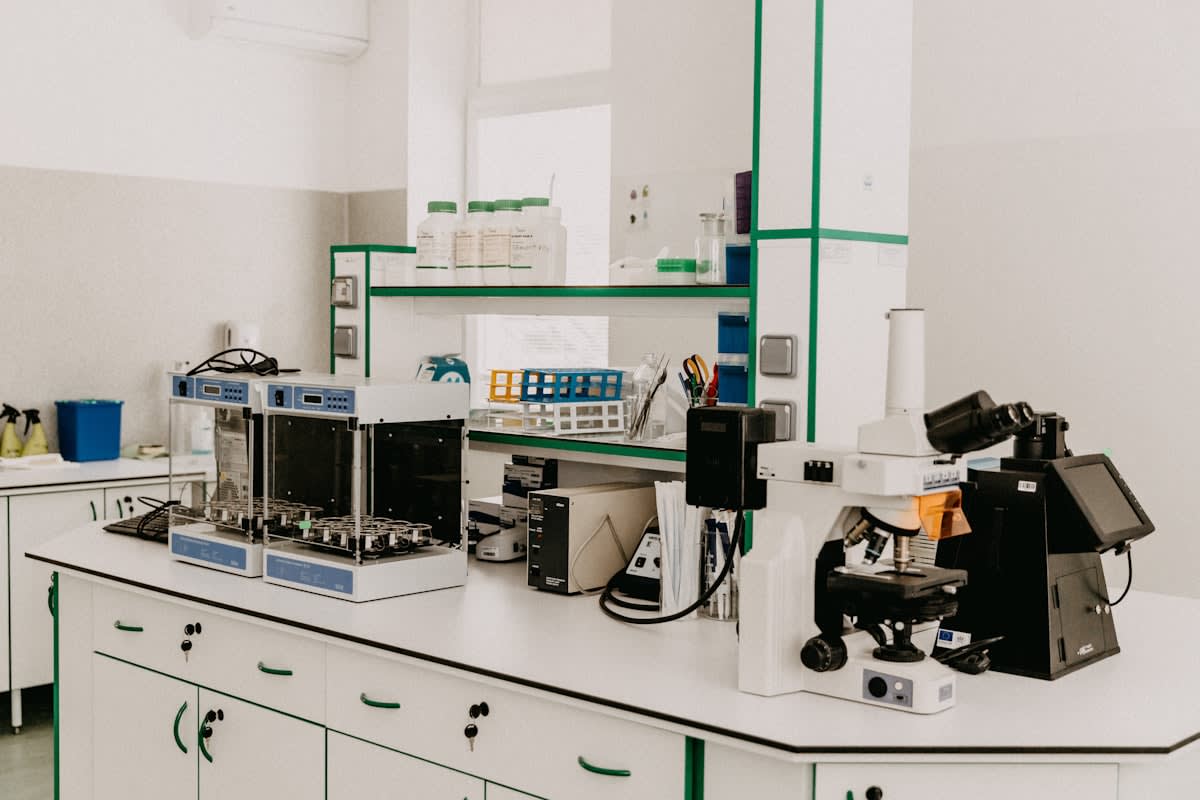
Biotic seeks to drive an open-source collaboration to design cells that create medicines without toxic chemicals. Such an ambition ignores the historical reality of the lab. Most biological research remains a guessing game played with expensive tools.
Software intelligence is now being sold as the solution to these physical mysteries.
Software Dreams vs Biological Reality
Anthropic is betting on neglected diseases via Claude Science. This move mimics the trend of tech giants entering healthcare to capture new markets. Pure software cannot magically synthesize a molecule. Intelligence tools only work if the underlying biological data is accessible and clean.
India is fighting a different war. COVID-19 exposed a dangerous reliance on imported enzymes and diagnostic kits. Local manufacturing is now a strategic priority to ensure self-reliance. Contrast this with San Francisco's focus on AI models; one solves for physics, the other for prediction.
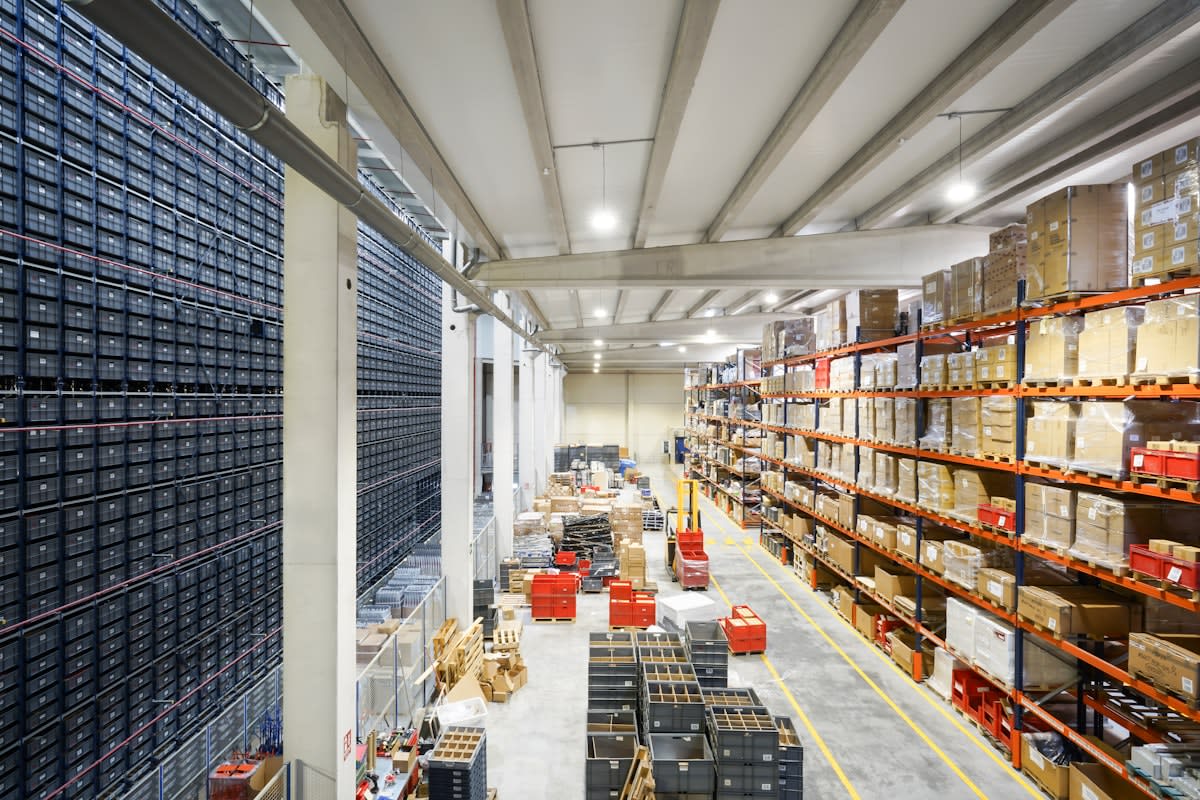
Physical space and material availability determine the actual cost of failure.
The Physics of Production
Physical footprint determines profit. Evotec's J.TRAIN claims to produce 500 kg of biologic drug substance in under 10,000 square feet. Such density represents a ten-fold increase in productivity over fed-batch methods. Scale is no longer about the size of the vat but the efficiency of the flow.
| Metric | Traditional Fed-Batch | Evotec J.TRAIN |
|---|---|---|
| Annual Output | Baseline | 500 kg+ |
| Facility Footprint | Large Scale | < 10,000 sq ft |
| Productivity Ratio | 1x | 10x |
| Deployment Time | Multi-year | 18 months |
Continuous manufacturing promises lower costs and faster expansion. Yet, the machines are only as capable as the humans operating them.
The Data Anchor
Paper records are the industry's anchor. Alexander Seyf of Autolomous calls poor data management the elephant in the room. Binders cannot feed an AI. Digital data capture must happen at the earliest stages of research to be useful.
Manus and BioMADE are attempting to fix the talent void with an 18-month apprenticeship program. This curriculum focuses on fermentation operations and downstream purification. Skilled labor remains the rarest reagent in the modern lab.
The Pragmatic Gap
AI drug discovery is an empty promise if the training data is trapped in a physical binder in a basement. The cost of failure is not a software bug, but a contaminated batch of biologics.