
Deployment Prerequisites
High-throughput triage fails when technology is imposed from the top down. Success requires a clinician-led IT structure where physicians, engineers, and data scientists co-develop the interface. This ensures that tools are not mere add-ons but are embedded into the active workflow to reduce administrative friction. Without this alignment, the most advanced biometric sensors become noise rather than signal.
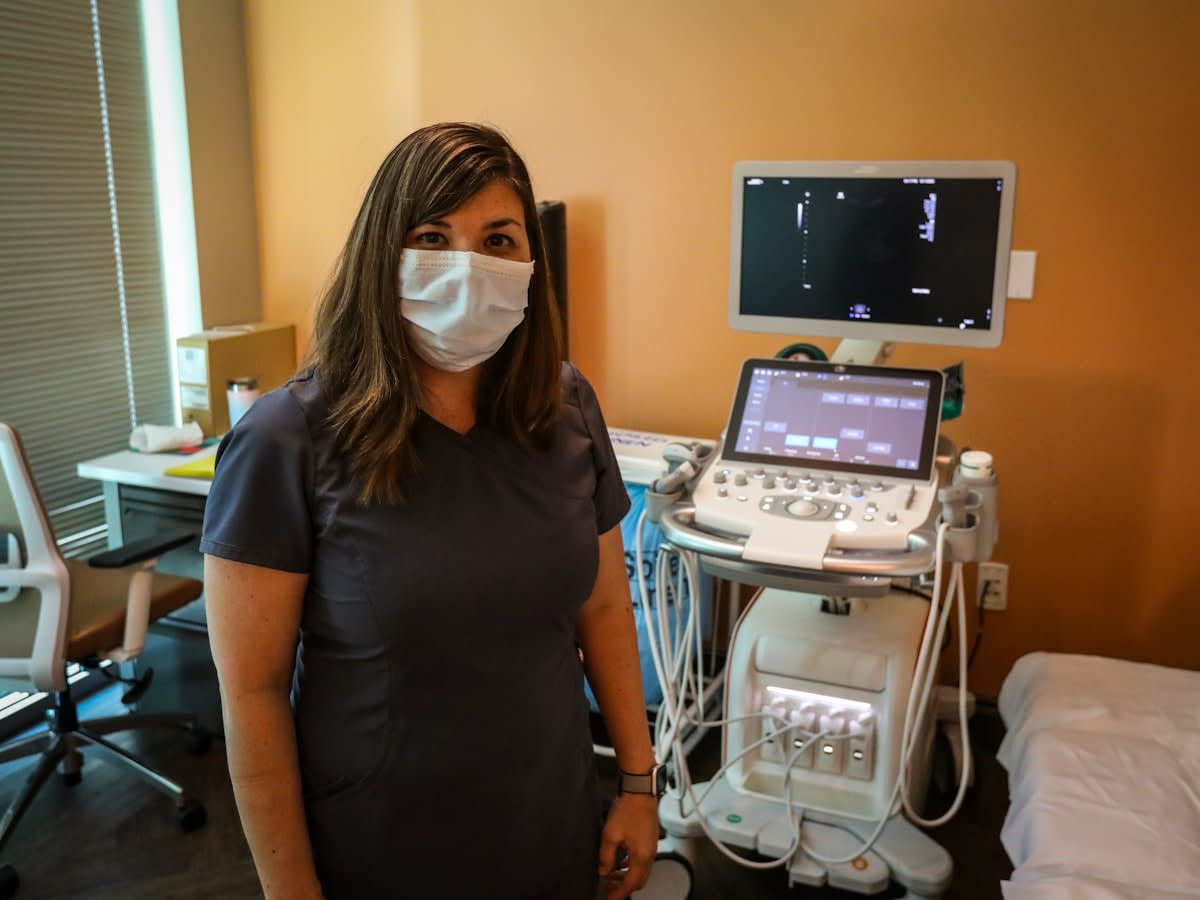
Hardware readiness is equally critical. Facilities must secure Point of Care Ultrasound (POCUS) equipment capable of standardized lung ultrasound (LUS) implementation and integrate AI-powered closed-loop wearable bioelectronics. These devices must communicate directly with the Electronic Health Record (EHR) to allow for real-time biosensing and autonomous therapeutic intervention. If the data remains siloed in a standalone wearable, the triage speed remains unchanged.
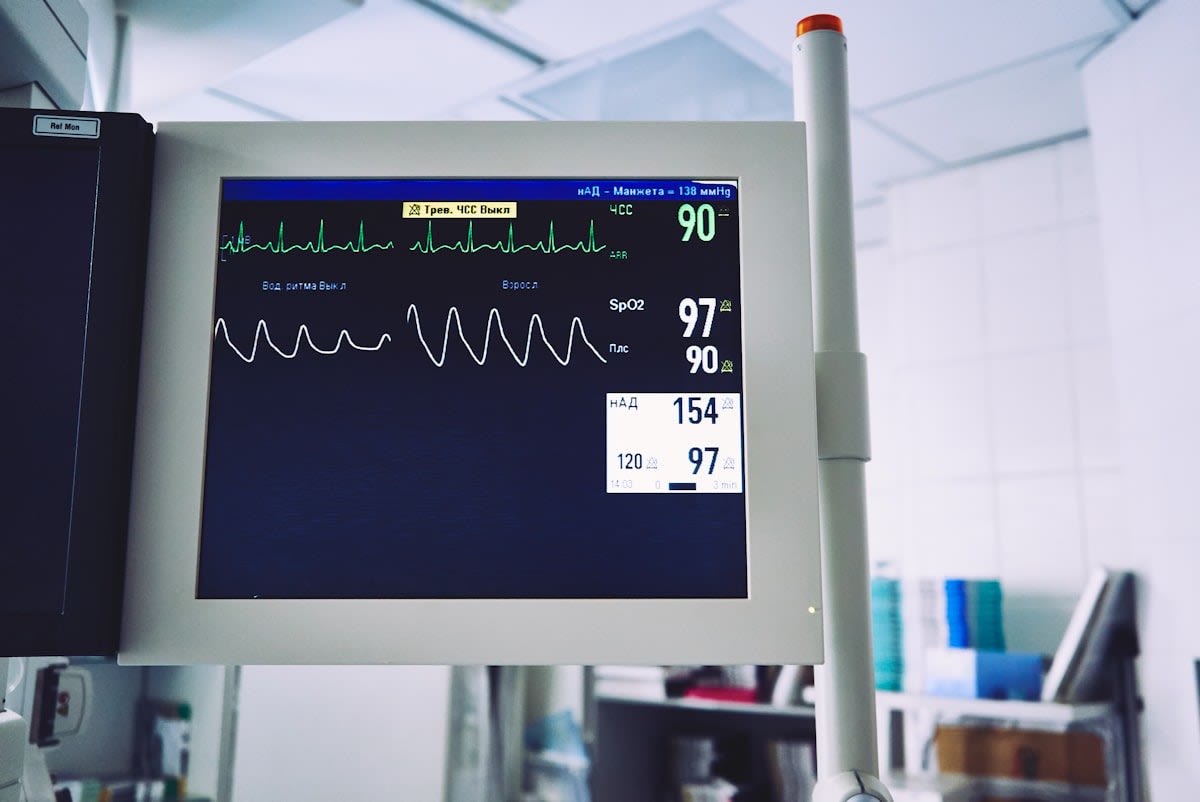
The Training Gap
The preparedness chasm is real. According to the KLAS Arch Collaborative 2026 report, fewer than 25% of clinicians using AI tools agree they received adequate training on managing AI-generated content. Deployment without a rigorous training protocol is a recipe for clinical error.
Execution Sequence for Biometric Triage
- Establish a clinician-led IT governance board to oversee AI-enabled tool selection.
- Deploy automation for high-friction operational tasks, specifically order creation and patient stay summarization.
- Standardize lung ultrasound (LUS) protocols for rapid neonatal and pediatric respiratory triage.
- Integrate closed-loop wearable bioelectronics for continuous, autonomous monitoring of chronic and acute patients.
- Implement a role-specific workflow enablement program to close the AI training gap.
The first movement focuses on the administrative burden. Clinicians who weaponize automation for focused operational tasks see immediate gains. The KLAS Arch Collaborative 2026 data reveals that automation in order creation increases efficiency by 9%, while summarizing shifts or patient stays provides a 6% lift. Why settle for marginal gains when these tools can reclaim hours of a physician's day? This reclaimed time is the only way to handle the rising demand without triggering total clinician burnout.
| Operational Task | Efficiency Gain (%) | Primary Impact |
|---|---|---|
| Order Creation | 9% | Reduced time-to-treatment |
| Patient Stay Summarization | 6% | Faster hand-offs and discharge |
| General EHR AI Adoption | 7% | Overall operational efficiency |
Once the administrative layer is optimized, the focus shifts to rapid diagnostic triage. In neonatal intensive care, the implementation of standardized lung ultrasound (LUS) changes the game. By replacing traditional chest radiography, LUS reduces radiation exposure and the need for mechanical ventilation while facilitating earlier surfactant therapy. This is not just about safety; it is about speed. Rapid, non-invasive diagnostics at the bedside prevent the triage bottleneck from forming in the first place.
The most advanced stage of triage is the move toward autonomous healthcare. AI-powered closed-loop wearable bioelectronics link real-time biosensing with therapeutic intervention. Imagine a smart bandage that not only senses a wound's state but stimulates healing, or a bioelectronic patch that manages blood pressure autonomously. By shifting the monitoring burden from the nurse to the device, the hospital can prioritize human intervention for the most critical cases, effectively automating the triage of stable patients.
"AI-enabled tools are reshaping the clinical experience by reducing administrative burden, streamlining documentation and surfacing relevant insights at the point of care."— Chad Dodd, Vice President of Product Management at athenahealth
Speed is the only metric that matters in critical triage. Consider the case of Dr. Terrence Horan in Roseville, who suffered a stroke on his way to work. The outcome was determined by the speed of the team's response and the immediate availability of a CT scan. When biometric triage systems are integrated, this speed is codified. The system identifies the stroke markers via wearables or rapid-scan biometrics before the patient even speaks, triggering the neurology call and CT scheduling automatically.
To sustain these gains, hospitals must move from basic deployment to role-specific workflow enablement. It is not enough to give a doctor an AI tool; they must know how to manage AI-generated content within their active workflow. The 7 percentage point increase in perceived operational efficiency for AI users is a start, but it is capped by the lack of training. The final step of deployment is the creation of a continuous feedback loop where clinicians refine the AI's output based on real-world bedside outcomes.
Common Pitfalls
- Treating AI as a novelty rather than a measurable operational tool.
- Deploying bioelectronics without a direct integration path into the EHR.
- Ignoring the training gap, leaving clinicians to guess how to validate AI-generated summaries.
- Implementing POCUS without standardized protocols, leading to inconsistent diagnostic quality.
- Allowing IT departments to design workflows without direct clinician oversight.
The transition to biometric triage is a move toward clinical precision. By combining the speed of LUS in neonates, the efficiency of AI-led order creation, and the autonomy of closed-loop wearables, hospitals can finally break the cycle of overload. The goal is a system where the technology handles the monitoring and the documentation, leaving the clinician to handle the medicine. This is the only sustainable path forward in an era of rising healthcare demand.