
The biotech sector is shedding its skin. This week, the narrative shifted from the romanticism of the laboratory to the cold pragmatism of the balance sheet. While the headlines scream about breakthroughs, the real story is the aggressive move toward industrialization and royalty-driven stability. We are seeing a sector that has grown tired of the binary risk of clinical trials and is now obsessing over manufacturing resilience and diversified cash flows.
Look at the FDA's latest move. On June 29, 2026, the agency selected seven companies for its PreCheck Pilot Program. This isn't just a regulatory tweak. It is a direct response to Executive Order 14293, aimed at strengthening the U.S. drug supply chain. For the first time, the government is offering a predictable regulatory pathway to lure manufacturing back to domestic soil. The urgency is palpable.
The Manufacturing Edge
Cellares has emerged as the outlier here. As the only cell therapy platform among the seven selected companies, it now holds both the Advanced Manufacturing Technology (AMT) designation and PreCheck membership, effectively becoming the regulatory benchmark for automated cell therapy in the U.S.
This drive for stability extends to how companies are funding their existence. Zymeworks is no longer playing the traditional biotech game. By spending nearly $929 million to acquire Theravance, the Vancouver-based firm is doubling down on a strategy it teased last year: becoming a royalty-driven entity. They aren't just buying a drug; they are buying the approved COPD treatment Yupelri and a suite of royalty contracts to ensure the lights stay on regardless of their oncology pipeline's volatility.
| Strategic Move | Primary Asset/Program | Financial Exposure | Core Objective |
|---|---|---|---|
| Zymeworks Acquisition | Yupelri (COPD) | $929 Million | Cash-flow diversification |
| Deerfield Investment | Trispecific T cell engager | Up to $1.6 Billion | Autoimmune innovation |
| FDA PreCheck Pilot | Domestic Manufacturing | 7 Selected Firms | Supply chain resilience |
While Zymeworks seeks stability, Deerfield Management is hunting for high-alpha assets in China. On June 30, 2026, Deerfield bet up to $1.6 billion to bring a trispecific T cell engager program from Beijing-based METiS TechBio to its portfolio company, Boulevard Bio. The structure is classic high-stakes arbitrage: a modest $20 million upfront payment with massive back-end milestones. The use of a trispecific approach, adding another biological latch compared to traditional bispecifics, shows that while the business models are maturing, the molecular engineering is still pushing boundaries.
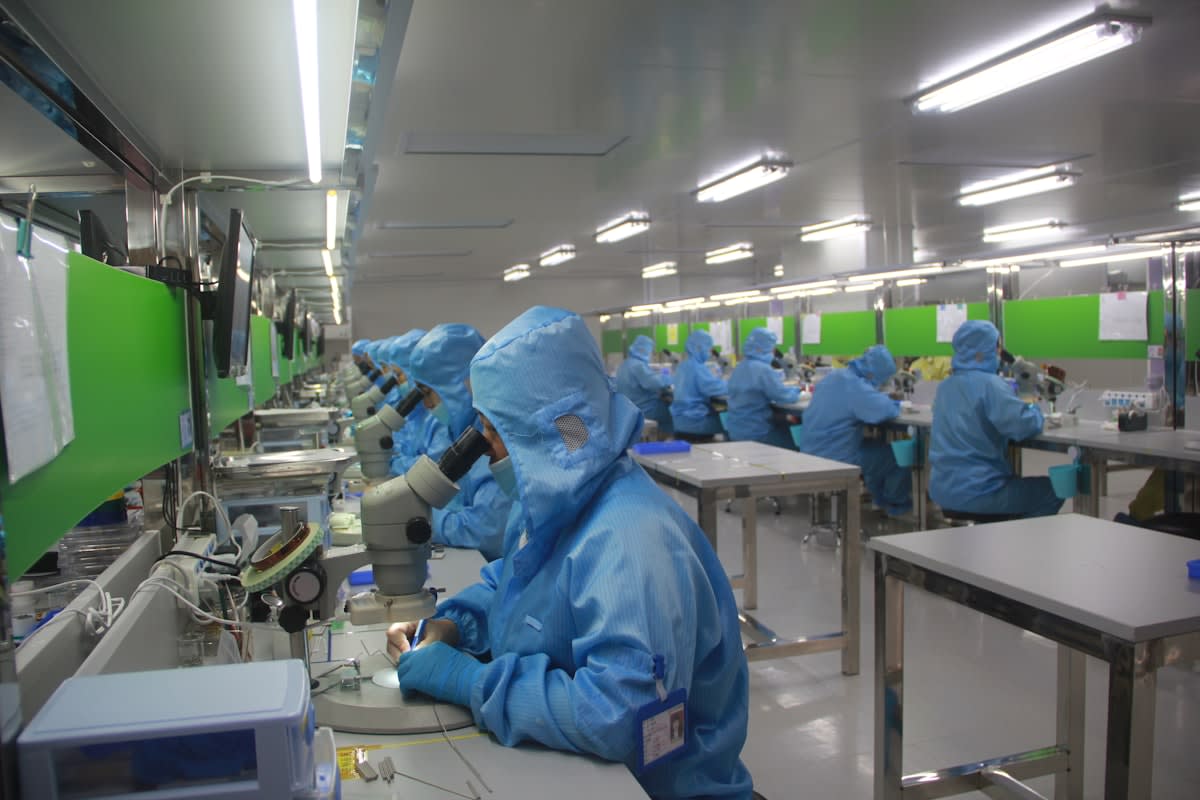
But this rush toward industrialization is happening against a backdrop of crumbling trust. The New England Journal of Medicine just retracted a pivotal trial paper for Amgen's Tavneos. Why? Because an FDA investigation found that data for nine patients were altered and some researchers were unblinded. When you combine this with 76 cases of drug-induced liver injury—including seven cases of vanishing bile duct syndrome—you see why the industry is pivoting toward more rigorous, automated validation.
"The retraction of the Tavneos trial serves as a brutal reminder that the distance between a pivotal clinical success and a regulatory disaster is often just a few altered data points."— Industry Analysis
If the regulatory environment is a minefield, the technology used to test these drugs must evolve. This is where the 'organ-on-a-chip' trend moves from academic curiosity to operational necessity. Research led by Binghamton University, published in Nature Biomedical Engineering, has finally mapped how asthma permanently alters airways.
- Demonstrated the effect of mechanical stress on tissue remodeling (fibrosis and angiogenesis).
- Used microfabrication techniques from the semiconductor industry to mimic human body conditions.
- Proved that repeated asthma attacks cause an overproduction of proteins in the extracellular matrix.

The delta is clear. Twelve months ago, the conversation was about discovery. Today, it is about delivery and durability. Whether it is the FDA compressing timelines for Cellares or Zymeworks buying its way into a royalty stream, the industry is no longer content with the gamble. They are building a fortress of infrastructure to survive the next regulatory purge.