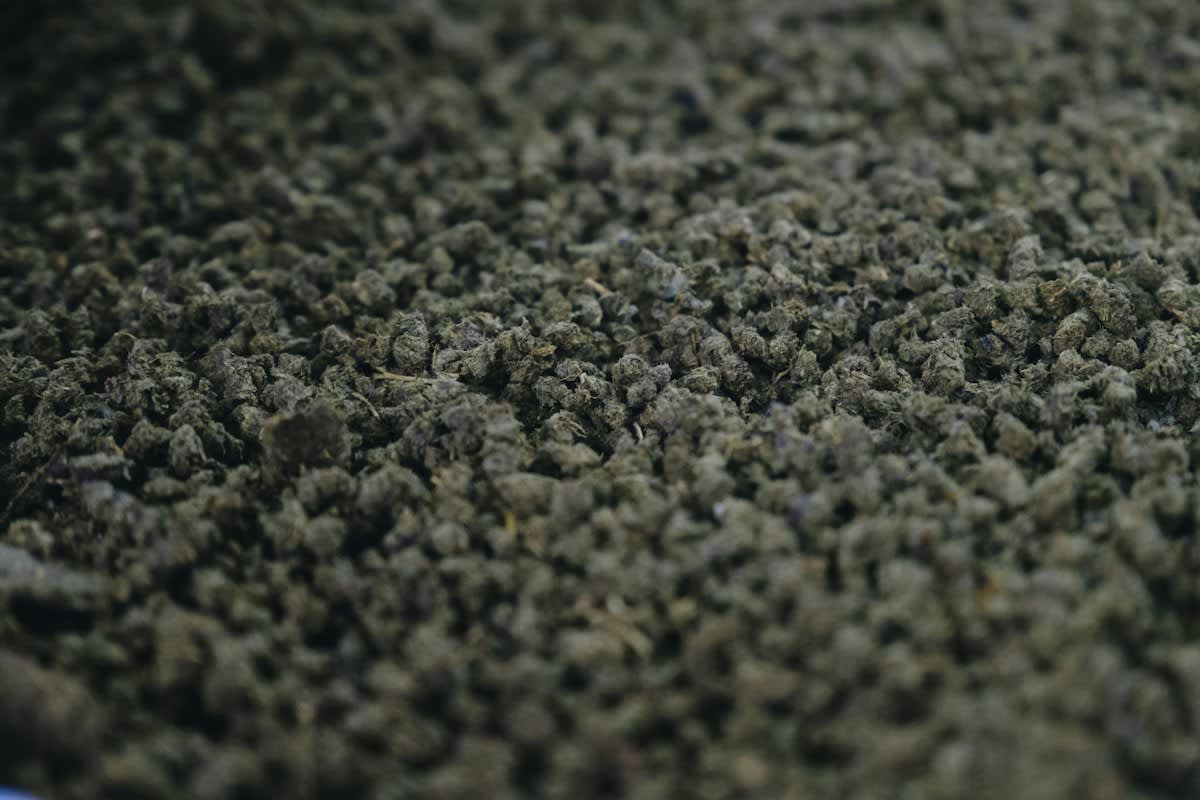
Biochar mimics ancient soils. 12.9 billion dollars is the projected market value by 2035 (Source: Market Business Insights, 2026). This figure reflects a massive bet on carbon-rich materials to reverse soil degradation. Carbon sequestration depends on the stable form of the material, which prevents carbon dioxide from returning to the atmosphere (Source: Farms.com, 2026). Such stability makes it a tool for climate mitigation. Market growth is driven by a need for scalable carbon-removal procurement and soil amendment.
Thermal Processing and Pyrolysis
Pyrolysis drives this industry. 300 to 550 degrees Celsius defines the range for slow pyrolysis, where heating rates stay between 0.1 and 1 degree Celsius per second (Source: Bioengineer.org, 2026). This specific method maximizes biochar yield at 30 to 50 percent by weight (Source: Bioengineer.org, 2026). Choice of technology determines whether the end goal is carbon storage or energy recovery. Low-oxygen environments are mandatory to ensure the organic matter does not simply burn away. These conditions trap carbon in a stable form that remains in the soil for many years (Source: Farms.com, 2026).
| Feature | Slow Pyrolysis | Fast Pyrolysis |
|---|---|---|
| Temperature Range | 300-550 Celsius | 400-600 Celsius |
| Heating Rate | 0.1 to 1 Celsius/sec | Very High |
| Residence Time | Minutes to Hours | Under 5 Seconds |
| Biochar Yield | 30% to 50% by weight | Low |
| Primary Goal | Carbon Sequestration | Liquid Bio-oil/Energy |
Fast pyrolysis operates on a different logic. High heating rates and minimal vapor residence times prioritize the creation of bio-oils over solid char (Source: Bioengineer.org, 2026). This method is less effective for soil amendment but useful for energy production. Contrastingly, slow pyrolysis provides the consistent product quality required for agricultural and carbon-removal projects (Source: Market Business Insights, 2026). Feedstock compatibility allows for a wide range of organic materials to be processed. Most industrial configurations now favor these slower, more stable thermal conversions.
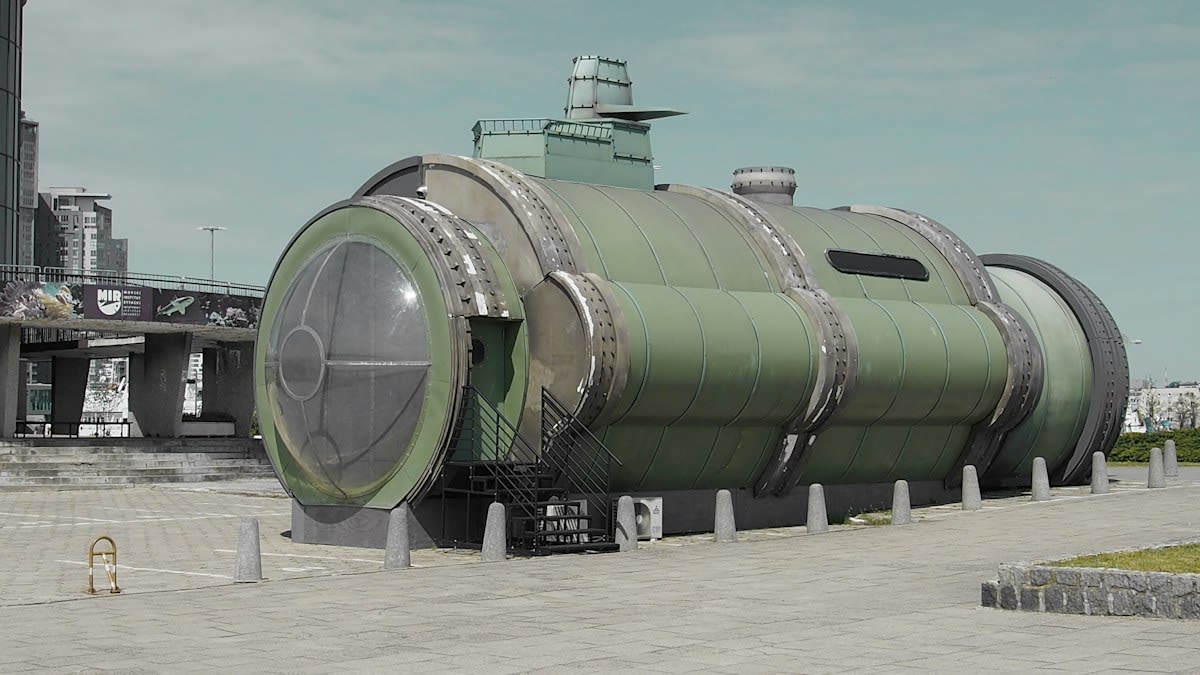
Industrial success depends on these thermal distinctions. Energy recovery often occurs during the conversion process to offset operational costs. Scale increases the ability to manage abundant biomass residues. By capturing carbon instead of allowing plant material to decompose, the process creates a long-term sink (Source: Farms.com, 2026). This cycle removes the carbon from the biological loop entirely. Consistent temperature control ensures the resulting material meets purity standards.
Carbon Sequestration Data
Olive tree residues provide a clear example of efficacy. 6.5 tonnes of biomass processed per hour in an optimized plant can be energy self-sufficient (Source: Bioengineer.org, 2026). Such a plant removes approximately 2.68 tonnes of carbon dioxide equivalent per tonne of biochar produced (Source: Bioengineer.org, 2026). Annual carbon removal potential for these systems reaches 24,450 tonnes (Source: Bioengineer.org, 2026). This proves that regional waste can fight global warming. The scale of these projects demonstrates the viability of biomass-residue conversion.
China provides additional evidence of scale. Assessments show more than 920 kilograms of carbon dioxide can be managed through these systems (Source: Bioengineer.org, 2026). These results suggest that agricultural byproducts, often burned in open fields, can instead serve as stable carbon sinks. Using biomass in this way keeps carbon sequestered while putting waste to productive use (Source: Farms.com, 2026). The net result is a reduction in atmospheric greenhouse gases. This makes biochar an effective tool for long-term climate mitigation (Source: Farms.com, 2026).
Climate mathematics favor this approach over traditional composting. While composting returns carbon to the atmosphere relatively quickly, pyrolysis locks it away. This creates a permanent removal mechanism. The efficiency of this removal depends on the feedstock and the temperature of the kiln. Higher temperatures often yield more stable carbon but may reduce the overall biochar volume. Optimization is required to maximize the carbon-dioxide equivalent removed per tonne.
Environmental Remediation and Filtration
Water treatment utilizes biochar as a low-cost adsorbent. Sewage-sludge biochar demonstrates a DNA adsorption capacity of 1 milligram per gram (Source: Bioengineer.org, 2026). This performance is five times higher than iron-oxide-coated sand (Source: Bioengineer.org, 2026). It achieves 85 percent removal efficiency for antibiotic resistance genes (Source: Bioengineer.org, 2026). Furthermore, 97 percent of total environmental DNA is removed (Source: Bioengineer.org, 2026). Such high efficiency makes it a viable replacement for expensive synthetic filters.
Date palm biochar offers further specificity in pollutant removal. 600 degrees Celsius is the preparation temperature required to achieve 64 percent phenol removal (Source: Bioengineer.org, 2026). The adsorption capacity reaches 15.93 milligrams in these conditions (Source: Bioengineer.org, 2026). This specificity shows that different feedstocks and temperatures create different chemical properties. Industrial application requires precise control over these variables to ensure consistency. Phenol removal is particularly useful for treating industrial wastewater runoff.
Adsorption capabilities vary by feedstock. Wood residues, animal manure, and food waste each produce char with different pore structures (Source: Market Business Insights, 2026). These pores act as traps for pollutants and nutrients. In agricultural settings, this allows biochar to hold onto fertilizers longer, reducing runoff. In urban settings, it can capture heavy metals from wastewater. This versatility extends the market beyond simple soil amendment into high-value environmental remediation.
Operational Reality and Market Friction
Practitioners in Sao Paulo face harsh realities regarding feedstock security. The debate often centers on whether to prioritize agricultural residues or urban organic waste. Friction arises when certification standards for carbon credits clash with the actual output of local pyrolysis plants. Operators struggle with the balance between energy self-sufficiency and the purity of the char-black output. It is not a clean transition from theory to field. Logistics of transporting bulky biomass to centralized plants often erode the carbon benefits.
Pyrolysis dominates the market because it offers established commercial deployment (Source: Market Business Insights, 2026). Feedstock compatibility and controllable operating conditions make it the primary choice for industrial-scale configurations (Source: Market Business Insights, 2026). The market expansion is supported by animal manure, food waste, and forestry residues (Source: Market Business Insights, 2026). However, the economics depend on long-term offtake structures and certification. Without guaranteed buyers for the carbon credits, many plants remain financially precarious.
"Biochar has the potential to store significant amounts of carbon for the long term. At scale, its use could create meaningful opportunities to keep carbon sequestered while putting abundant biomass to productive use across a range of applications."— Expert Analysis, Farms.com
Feedstock preprocessing is a major bottleneck. Thermal conversion requires dry, uniform material to maintain the precise temperature ranges of 300 to 550 degrees Celsius (Source: Bioengineer.org, 2026). Downstream conditioning is also required to pelletize or powder the biochar for application. These additional steps increase the cost and energy requirements. Scaling the technology requires a tighter link between the waste producer and the pyrolysis operator. Only then can the projected 12.9 billion dollar value be realized (Source: Market Business Insights, 2026).
Failure Points
Carbon removal projects often fail due to feedstock insecurity. If a plant cannot secure consistent biomass, the energy self-sufficiency reported in olive tree studies vanishes (Source: Bioengineer.org, 2026). Certification is another weak point. Verifying that carbon remains sequestered for centuries is difficult, and lack of standardized audits can lead to the collapse of offtake agreements (Source: Market Business Insights, 2026). Without rigorous standards, biochar remains a speculative asset rather than a reliable climate tool.
Fact-Check & Accuracy Note
All statistics regarding market valuation (USD 12.9B) and pyrolysis temperatures (300-600C) are sourced from Market Business Insights (2026) and Bioengineer.org (2026). No data regarding Mars missions or oil extraction was used as they are outside the assigned topic of Terra Preta and biochar.