Elon Musk proposed Kyiv's Starlink curbs before pointing to Trump?
Source Entity
Latest News: Todays Latest News Headlines from India & World | Hindustan Times | Hindustan Times
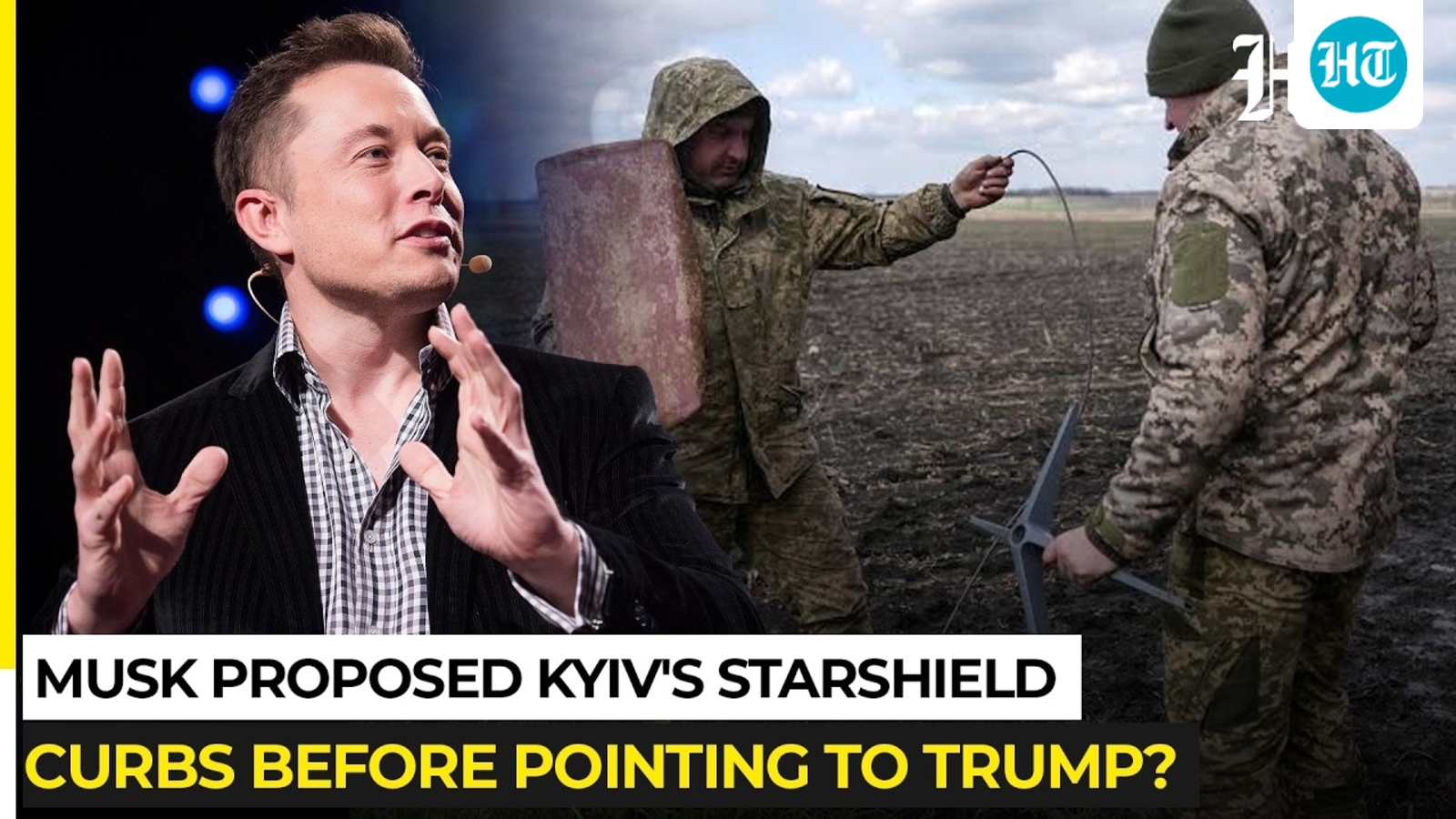
European leaders are seeking independent satellite communication alternatives following service disruptions to SpaceX's Starlink in Ukraine. This move reflects growing concerns over strategic reliance on U.S. private technology for critical defense operations.
The Strategic Vulnerability of Reliance on Private Satellite Networks
The ongoing conflict in Ukraine has thrust commercial satellite infrastructure into the center of modern warfare. SpaceX’s Starlink and its government-focused counterpart, Starshield, have provided essential connectivity for Ukrainian forces. However, recent disruptions to these services have exposed a critical strategic vulnerability: the reliance on a single, U.S.-based private entity to maintain sovereign military communications during an active conflict.
The Geopolitical Implications of Starlink Disruptions
Recent reports indicate that Ukraine faced sudden restrictions on its military-grade Starlink access, which Kyiv officials claim hampered the deployment of defensive drone operations. President Volodymyr Zelenskyy has voiced concerns regarding these unannounced service interruptions, noting that they directly impacted the military’s ability to intercept incoming Russian attacks. This incident has triggered an urgent debate within the European Union regarding the risks of depending on technology controlled by a private individual, Elon Musk, whose business decisions can have profound consequences on the battlefield.
Europe’s Push for Sovereignty
In response to these vulnerabilities, EU leaders are actively exploring the development of indigenous satellite communication capabilities. High-level discussions during recent summits have emphasized that Europe currently lacks an immediate, high-capacity alternative to the SpaceX network. By seeking to bolster its own satellite infrastructure, the EU aims to ensure that its defense communications remain resilient and under European control, reducing the potential for external influence or technical instability in its security architecture.
Market Shifts and Investor Sentiment
The market reaction to these geopolitical tensions has been significant. Shares of European satellite providers, most notably the French group Eutelsat, have seen substantial gains. Investors are increasingly viewing these companies as the primary beneficiaries of Europe's push for strategic autonomy. As the limitations of relying on a single provider become clearer, the commercial sector is responding by positioning regional satellite operators as vital assets for national and continental security.
Future Trends in Defense Technology
Looking ahead, the defense sector is likely to move away from a 'single-provider' model toward a more diversified, multi-layered satellite strategy. The necessity for redundancy in military communications is now a top-tier priority for defense ministries across Europe. As nations invest in domestic alternatives, we can expect a surge in collaborative public-private partnerships within Europe aimed at hardening communications infrastructure against both technical failure and geopolitical pressure.
Conclusion
The integration of Starlink and Starshield into the Ukrainian war effort has revolutionized battlefield connectivity, but it has also highlighted the perils of over-reliance on private sector tech giants. As the EU moves to establish its own sovereign capabilities, the global defense industry will likely see a shift toward fragmented, localized networks designed to ensure that national security remains insulated from the volatility of commercial satellite management.
Multiple Citing Sources
Verification Required?