
Biology fails predictably. 60 years of molecular aging were reversed in human cells during a recent reprogramming study (Source: ScienceDaily, 2026). This result suggests that the biological clock is not a fixed gear but a set of markers that can be reset. The process involved transforming immature red blood cells into neural stem cells, effectively stripping away the molecular markers of age (Source: ScienceDaily, 2026). Such results indicate that the primary cause of aging is the accumulation of these markers rather than an immutable temporal limit.
The Senescence Trap
Cellular senescence acts as a biological stalemate where damaged cells stop dividing but refuse to die. In kidney cells, this state is governed by the lysosomal enzyme PLA2G15 (Source: Aging, 2026). The specific molecular species of lipids lining the lysosome determine whether a stressed cell exits the cycle quietly or locks into a damaging senescent state (Source: Aging, 2026). This lipid-senescence relationship suggests that aging in the kidneys is a result of metabolic failure within the cell's waste-handling machinery. If BMP metabolism can be modified, the cellular decline underlying age-related kidney disease might be slowed (Source: Aging, 2026).
Beyond the kidneys, senescent cells secrete inflammatory mediators and extracellular matrix components that poison neighboring tissues (Source: Tyler Morning Telegraph, 2026). This creates a feedback loop where one failing cell triggers a cascade of dysfunction. The MGF peptide has been identified as a potential modulator in this environment, possibly modifying local signaling to influence how progenitor populations respond to regenerative cues (Source: Tyler Morning Telegraph, 2026). Rather than acting as a direct regulator, MGF alters the environment to make regeneration possible again.
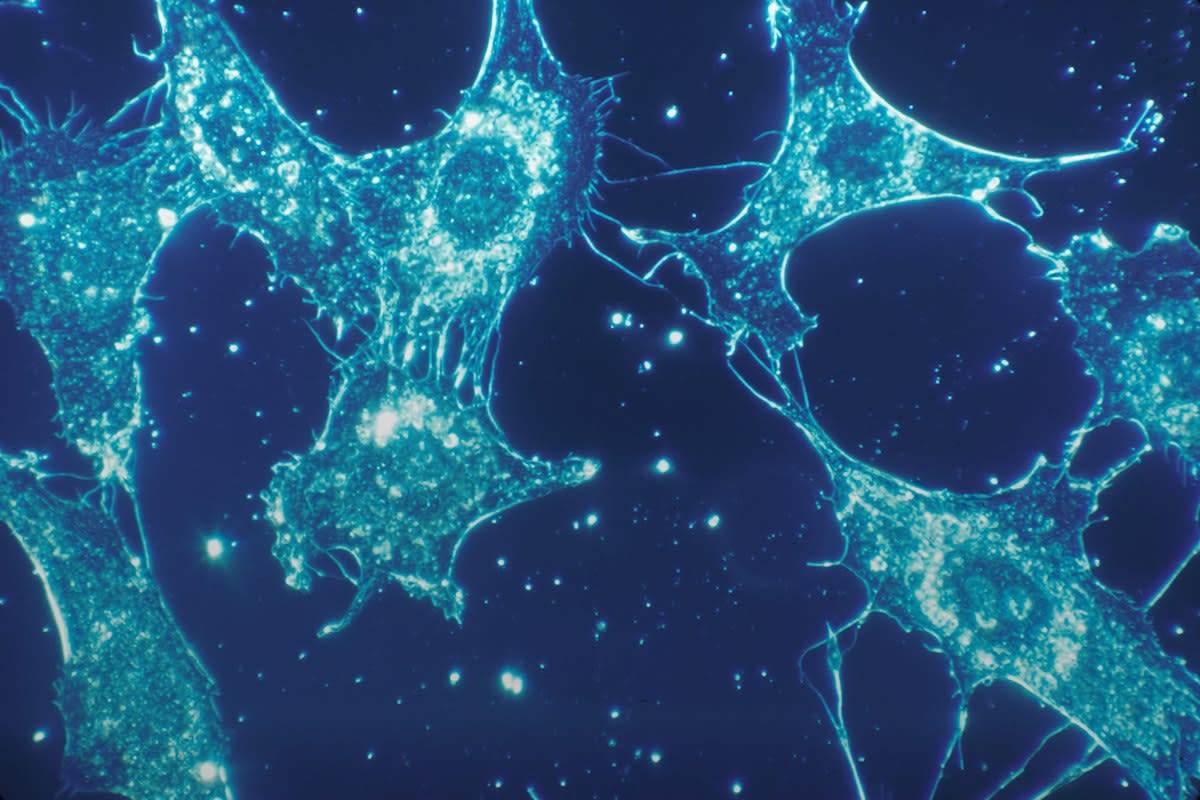
The biological cost of senescence is not uniform. While these cells contribute to chronic inflammation and tissue dysfunction, they also support wound healing and prevent the proliferation of damaged cells (Source: GeneOnline, 2026). This duality makes the elimination of senescent cells a high-risk strategy. Removing them in one setting might be beneficial, while in another, it could impair the body's natural defense against cancer (Source: GeneOnline, 2026).
Reprogramming and Gene Networks
Yamanaka factors represent the most aggressive attempt to reverse the aging process. By overexpressing four specific genes, mature cell types can be returned to a pluripotent ground state (Source: Medical Xpress, 2026). More importantly, applying these factors in short bursts allows cells to regain youthfulness without losing their specialized functions (Source: Medical Xpress, 2026). This distinction is vital because full pluripotency would result in the loss of organ function, whereas partial reprogramming maintains the cell's identity while resetting its age.
"Aging research is transiting an inflection point where the exponential progress of biotech is impacting the core aging process."— George Church, Professor of Genetics at Harvard Medical School
Current efforts are focusing on the SRSF1 gene as a target for extending human health span (Source: Medical Xpress, 2026). Research indicates that targeting the liver may have systemic effects, potentially reversing aging processes in other organs through communicated rejuvenation programs (Source: Medical Xpress, 2026). This suggests that the body possesses an internal communication network capable of amplifying youth signals across different tissue types.
Genomic instability, mitochondrial dysfunction, and epigenetic alterations are not isolated events but interconnected failures (Source: GeneOnline, 2026). These processes appear across various conditions, from neurodegeneration to metabolic disorders. Treating each disease as a separate biological problem is an inefficient approach. Instead, targeting the shared mechanisms of aging provides a testing ground for technologies that could treat multiple pharmaceutical targets simultaneously (Source: GeneOnline, 2026).

The brain may serve as the central regulator of this decay. A 2023 paper on Menin suggests that aging is shaped partly by signals originating in the brain (Source: ProHealth, 2026). This hypothesis implies that the brain's circuits and metabolism influence the aging rate of the rest of the body. While evidence in mice is promising, the transition to human application remains a significant scientific hurdle (Source: ProHealth, 2026).
Practitioners in Jakarta clinics are already seeing the friction between these lab breakthroughs and clinical reality. Patients demand longevity treatments based on mouse data, yet the biological gap is immense. The debate on the ground centers on whether partial reprogramming is safe for human use or if it risks inducing uncontrolled cell growth. There is a sharp tension between the desire for health span extension and the risk of oncogenic transformation.
Comparative Mechanisms of Cellular Reversal
| Mechanism | Primary Target | Biological Outcome | Source |
|---|---|---|---|
| Lipid-Senescence Regulation | PLA2G15 Enzyme | Prevention of Kidney Cell Lock | Aging, 2026 |
| Partial Reprogramming | Yamanaka Factors / SRSF1 | Molecular Age Reset | Medical Xpress, 2026 |
| Neural Stem Cell Induction | Immature Red Blood Cells | 60-Year Age Reversal | ScienceDaily, 2026 |
| Regenerative Signaling | MGF Peptide | Progenitor Responsiveness | Tyler Morning Telegraph, 2026 |
| Brain-Body Signaling | Menin | Systemic Aging Modulation | ProHealth, 2026 |
These diverse approaches highlight a fundamental shift in how science views age. It is no longer seen as a linear decline but as a series of failures in cellular maintenance and signaling. The ability to reset these markers suggests that the biological age of a cell is independent of its chronological age (Source: ScienceDaily, 2026).
Failure Points in Longevity Research
- Sex Bias: Current PLA2G15 research relied exclusively on male mice, leaving the female lipid-senescence relationship unverified (Source: Aging, 2026).
- Oncogenic Risk: The thin line between partial reprogramming for youth and full pluripotency can lead to tumorigenesis (Source: Medical Xpress, 2026).
- Tissue Specificity: While liver targeting may amplify rejuvenation, the ability of these signals to reach all peripheral tissues is unproven (Source: Medical Xpress, 2026).
- Translational Gap: Brain-signal hypotheses based on Menin have not yet been safely tested in humans (Source: ProHealth, 2026).
Verification
Fact-Check Note: The claim of 60-year age reversal refers specifically to the molecular markers of red blood cells converted to neural stem cells in a laboratory setting, not the reversal of aging in a living human organism (Source: ScienceDaily, 2026).
Editorial Standard
Editorial Note: This report avoids the hype of commercial anti-aging supplements and focuses strictly on peer-reviewed cellular mechanisms and gene network research.