Why the midterm elections are likely to become a strong tailwind for the stock market
Source Entity
Mark Hulbert
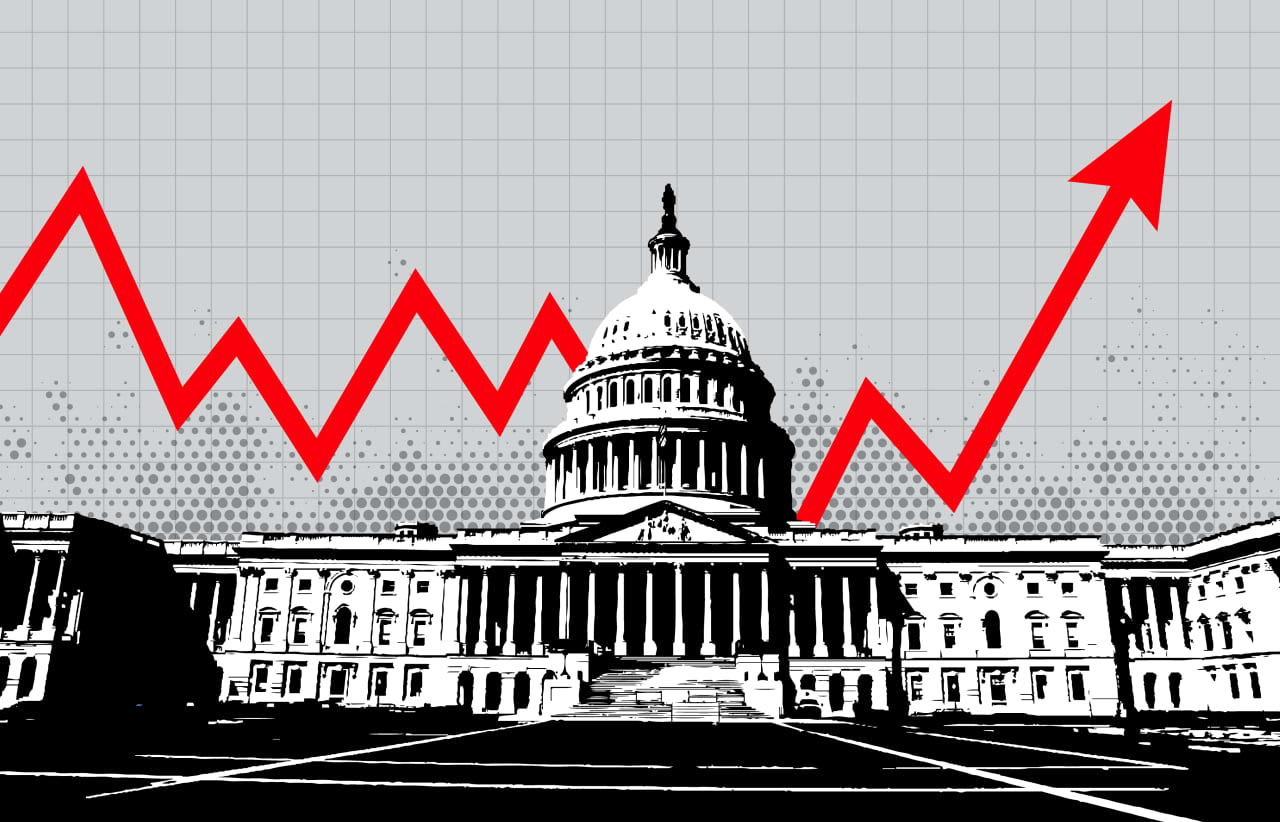
Historical data indicates that the six-month period following midterm elections consistently serves as a positive catalyst for stock market performance. Investors often view the resolution of political uncertainty as a signal for renewed market stability and growth.
The Midterm Election Effect on Market Performance
Historically, the U.S. midterm elections have served as a significant inflection point for the financial markets. Data consistently demonstrates that the six-month period immediately following these elections tends to witness robust market gains, often outperforming other phases of the electoral cycle. This phenomenon is largely attributed to the resolution of political ambiguity that typically precedes the vote.
The Resolution of Uncertainty
Financial markets are notoriously averse to uncertainty. In the months leading up to a midterm election, investors often adopt a defensive posture due to concerns regarding potential shifts in legislative control and fiscal policy. Once the election concludes and the new political configuration is finalized, this 'cloud of uncertainty' dissipates. The market responds by pricing in the new reality, which frequently results in a rally as capital that was previously sidelined is redeployed into equities.
Historical Market Resilience
When analyzing the historical performance of the S&P 500 and other major indices, the post-midterm period stands out as a reliable period of growth. This pattern persists regardless of which party gains or loses ground, suggesting that the market values the predictability of a divided or unified government over the specific ideological outcomes of the election itself. The consistency of this trend has led many institutional analysts to view the midterm window as a strategic 'buy' opportunity.
Legislative Stability and Fiscal Outlook
Following the midterm cycle, the legislative agenda becomes clearer, allowing businesses and investors to better forecast regulatory and tax environments. When the market can accurately assess future corporate tax rates, trade policies, and spending priorities, it can more efficiently allocate resources. This clarity provides a fundamental tailwind for the stock market, as corporations can finalize capital expenditure plans that were previously held in limbo.
Broader Economic Implications
Beyond immediate price action, the post-midterm rally often reflects a broader economic confidence. As the political cycle shifts from campaigning to governance, there is frequently a period of relative policy stability. Investors capitalize on this, betting that the newly elected or confirmed legislative bodies will seek to stimulate economic activity to bolster their standing for the subsequent general election cycle.
Future Trends and Investor Strategy
Looking ahead, while past performance is never a guarantee of future results, the historical correlation between midterm elections and market strength remains a cornerstone of cyclical investment strategies. Investors should monitor how the specific legislative outcomes influence sectors like infrastructure, technology, and energy. By understanding this historical tailwind, market participants can better navigate the volatility that often characterizes the pre-election phase and position themselves for the potential gains that follow.
Verification Required?