Burnham vows end to 'rip-off parking charges' under new rules
Source Entity
BBC News
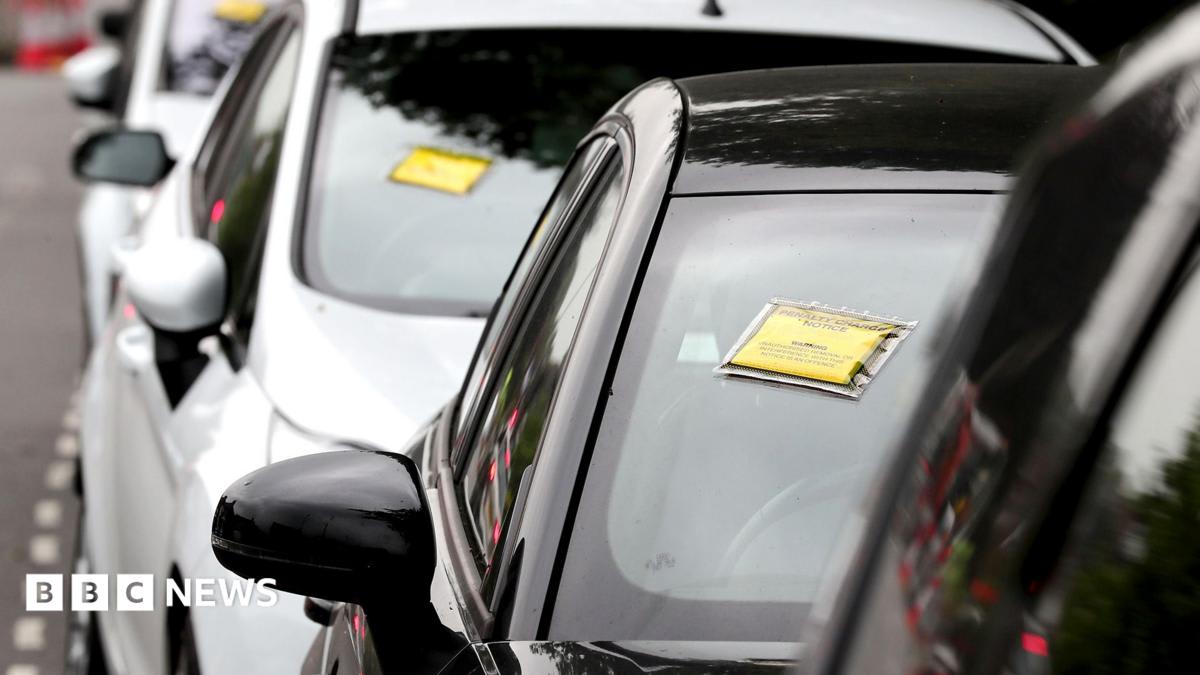
Prime Minister Andy Burnham has introduced new regulations to curb excessive private parking charges and protect motorists from unfair penalties. The move follows widespread public concern over aggressive enforcement tactics and disproportionate fines.
Reforming Private Parking Enforcement
Prime Minister Andy Burnham has officially announced a sweeping overhaul of private parking regulations, aiming to put an end to what he describes as "rip-off" charges. This initiative addresses the growing public frustration surrounding the practices of private parking operators, who have long been criticized for imposing harsh, punitive fines on motorists for minor infractions. By introducing these new rules, the government is signaling a shift toward greater consumer protection in the transport and infrastructure sector.
Addressing Systematic Unfairness
The necessity for this regulatory intervention stems from a long history of complaints regarding the aggressive nature of private enforcement. Motorists have frequently reported instances where the penalties imposed by private companies appear entirely disproportionate to the "offense" committed. The government’s decision to act is a direct response to these repeated concerns, aiming to restore a sense of fairness and transparency to the relationship between private parking providers and the drivers who utilize their facilities.
The Human Cost of Aggressive Penalties
To understand the gravity of the situation, one must look at the extreme cases that have fueled public outcry. A stark example involves a woman who faced a staggering £1,906 legal claim after failing to pay for parking at a Derby facility within a five-minute window. While the charge was ultimately dropped, the incident highlights the chilling effect such aggressive litigation has on the public. These instances are not mere administrative errors; they represent a systemic failure in the current self-regulatory model that has left many drivers feeling vulnerable and unfairly targeted.
Industry Standards vs. Legislative Action
While private car park operators have operated under an existing industry code of practice, it has clearly proven insufficient in curbing predatory behavior. The RAC has publicly supported the Prime Minister’s intervention, noting that the new government-backed rules will serve as a necessary safeguard against the poor practices of some companies. This suggests that voluntary industry standards were failing to protect the public, necessitating a more robust, state-level regulatory framework to ensure compliance and ethical conduct.
Future Implications for Motorists
The core of the new policy focuses on providing drivers with a legitimate right to challenge unfair charges and allowing for more "grace periods" when using private providers. By mandating these changes, the government is forcing a cultural shift within the parking industry. If successfully implemented, these measures could significantly reduce the number of legal disputes clogging the court system and provide motorists with a clearer, more predictable experience when navigating private parking lots.
Conclusion
Ultimately, the move by Andy Burnham represents a significant victory for consumer rights. By prioritizing the protection of motorists over the profit-driven enforcement models of private entities, the government is setting a new standard for accountability. As these rules take effect, they will likely serve as a deterrent against the most egregious penalty practices, ensuring that minor mistakes—like being a few minutes late—do not escalate into life-altering financial burdens for the average citizen.