John Brittas seeks President’s intervention as JNU students’ hunger strike enters 17th day
Source Entity
India Latest News: Top National Headlines Today & Breaking News | The Hindu
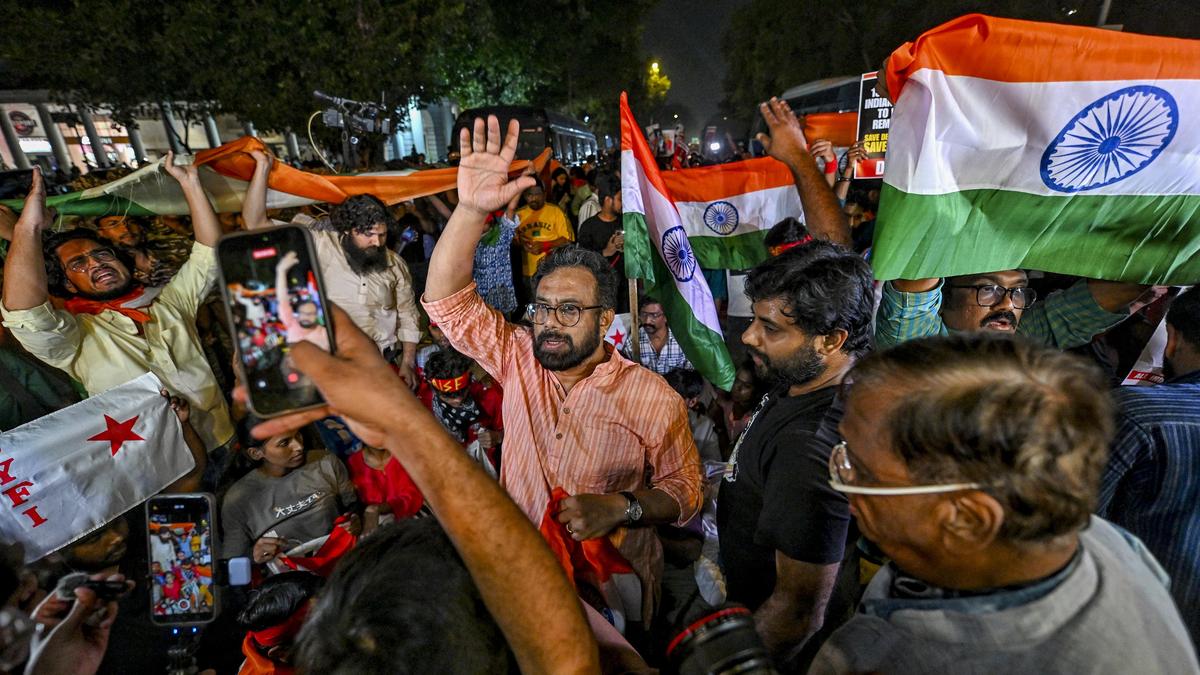
CPI(M) MP John Brittas has urged President Droupadi Murmu to intervene in the 17-day-old hunger strike at JNU. Students are protesting against rustication orders and demanding the reinstatement of key committees to address their longstanding grievances.
The JNU Standoff: A Call for Presidential Intervention
Jawaharlal Nehru University (JNU) is currently facing a significant administrative crisis as an indefinite hunger strike by members of the Jawaharlal Nehru University Students’ Union (JNUSU) and other students enters its 17th day. The protest, centered at the Sabarmati T-Point, has escalated to the national political stage, with CPI(M) Rajya Sabha member John Brittas formally writing to President Droupadi Murmu and Union Education Minister Pralhad Joshi to seek immediate resolution.
Core Grievances and Administrative Friction
The students have presented a charter of 13 specific demands, highlighting a deep-seated disconnect between the university administration and the student body. Central to these demands is the revocation of rustication orders issued against elected JNUSU office bearers, which students view as an attempt to stifle democratic representation on campus. Furthermore, the protesters are calling for the reinstatement of the Gender Sensitisation Committee Against Sexual Harassment (GSCASH) and the restoration of the previous JNU entrance examination system, both of which were cornerstones of the university's internal governance and accessibility standards.
The Role of Regulatory Oversight
Beyond the specific student-led demands, the protest reflects broader anxieties regarding campus governance, specifically the recent provisions introduced in the Chief Proctor’s Office (CPO) Manual. Critics, including MP John Brittas, argue that these provisions may infringe upon the rights of students to engage in peaceful dissent. By escalating the matter to the President—the Visitor of the university—Brittas is signaling that the internal mechanisms for conflict resolution within JNU have reached a state of failure, necessitating higher-level oversight to prevent further deterioration of the health of the hunger strikers.
Implications for Student Politics
JNU has historically been a crucible for student activism in India. The current hunger strike underscores the enduring tension between university administrations and student unions regarding autonomy and the right to protest. The length of the strike—now exceeding two weeks—suggests a rigid impasse where neither the administration nor the student body is willing to concede, leading to a precarious situation regarding the physical wellbeing of the participants.
The Path Forward
As the health of the protesting students continues to decline, the pressure on the Union Education Ministry to mediate is mounting. The intervention of a parliamentarian of John Brittas's stature highlights the political stakes involved. A resolution will likely require a multi-faceted approach: addressing the immediate health crisis, reviewing the contested CPO Manual provisions, and opening a formal dialogue to address the remaining points of the 13-demand charter. Without such intervention, the university risks prolonged instability that could impact the academic environment for the entire student community.
Verification Required?