Delhi SIR: Public audit in two booths finds over 100 voters wrongly marked absent, shifted, or dead
Source Entity
India Latest News: Top National Headlines Today & Breaking News | The Hindu
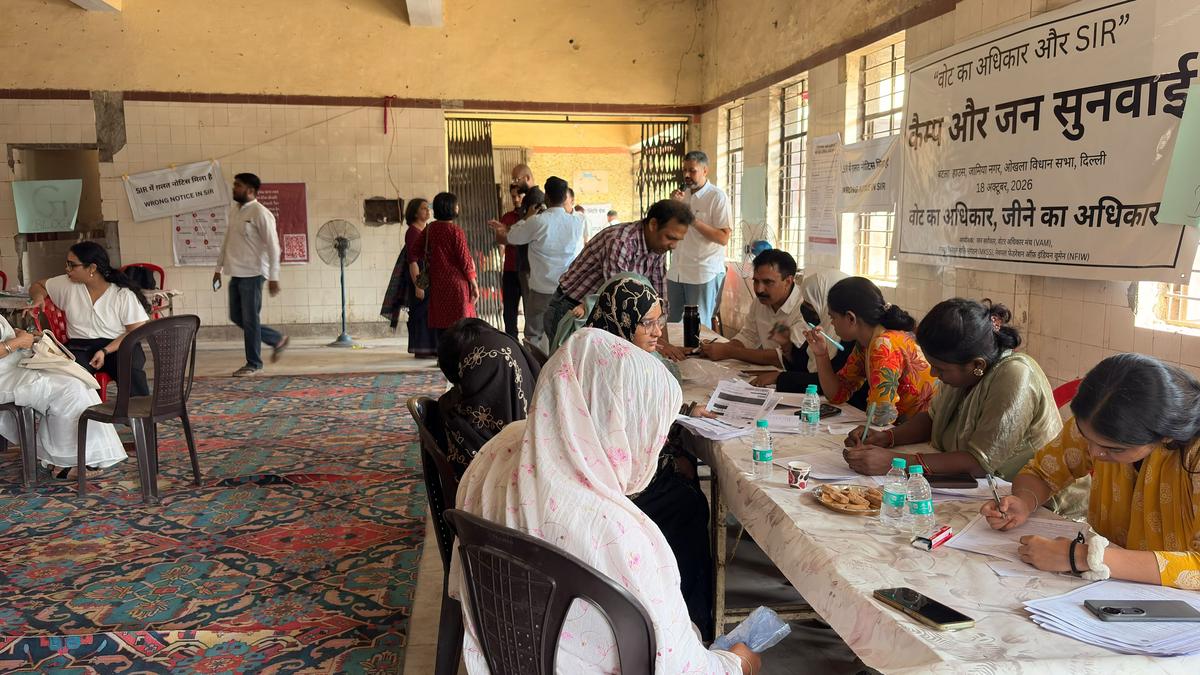
A public audit in Delhi’s Okhla constituency has revealed that over 100 voters were wrongly classified as absent, dead, or shifted during the Special Intensive Revision of electoral rolls. The Congress party has demanded an immediate halt to the process, citing concerns over the legitimacy of voter deletions.
Electoral Integrity Concerns in Delhi: The Okhla SIR Audit
A recent public audit conducted in the Okhla constituency of Delhi has brought serious concerns regarding the integrity of the electoral roll revision process to the forefront. Covering 258 households over a seven-day period, the audit discovered that at least 100 voters across two polling booths were erroneously classified under the Absent, Shifted, Dead, or Duplicate (ASDD) categories. For residents who have lived at the same addresses for decades, this misclassification has been a source of significant frustration and alarm.
The Impact of ASDD Classification
The ASDD classification acts as a bureaucratic hurdle that effectively disenfranchises eligible voters. When a voter is marked as 'untraceable' or 'permanently shifted' without verification, their name is removed from the draft electoral roll. The current administrative remedy requires these individuals to enroll afresh using Form 6. This process imposes an unnecessary burden on long-term residents who should, under normal circumstances, remain on the rolls without re-application, potentially impacting voter turnout and democratic participation.
Civil Society and Public Hearings
To address these discrepancies, a 'Jan Sunwai' or public hearing was organized in the Batla House area on October 18, 2026. This initiative, spearheaded by organizations including Jan Sarokar, the Mazdoor Kisan Shakti Sangathan (MKSS), Voter Adhikar Manch, and the National Federation of Indian Women (NFIW), provided a platform for affected citizens to voice their grievances. The hearing highlighted a systemic disconnect between the electoral authorities and the ground reality of residents who found themselves excluded from the democratic process.
Political Repercussions and Demands
The political fallout from these findings has been swift. The Congress party, led by general secretary Jairam Ramesh, has formally flagged the situation as a major concern. By labeling the current Special Intensive Revision (SIR) process as 'unconstitutional,' the party has demanded an immediate cessation of the activity and the restoration of all voters who were illegitimately removed. The Congress has specifically pointed to the disproportionate nature of these deletions, arguing that the SIR process has been fundamentally flawed.
Challenges at the Grassroots Level
Despite the controversy, the Election Commission has maintained its schedule for grievance redressal. Special camps were established at various polling stations, including an MCD school in Batla House, where Booth Level Officers (BLOs) were tasked with managing the influx of applicants. The sight of teachers managing stacks of Form 6 applications underscores the administrative strain caused by the mass deletion of names. While these camps are intended to rectify errors, they also highlight the scale of the confusion and the logistical challenges inherent in the current revision exercise.
Future Trends and Electoral Oversight
The events in Okhla serve as a cautionary tale regarding the reliance on automated or poorly verified data in electoral roll maintenance. As India continues to digitize its electoral infrastructure, the need for robust, transparent, and human-verified oversight remains critical. The demand for a more accountable revision process will likely intensify, as civil society groups and political entities push for safeguards that prevent the wrongful disenfranchisement of voters in future election cycles.
Multiple Citing Sources
Verification Required?