
Death is a mechanical failure. While the medical establishment treats aging as an inevitable slide into decay, the emerging field of cellular longevity views it as a series of addressable errors in biological data (Source: Nature Aging, 2021). The clock can be slowed. Why do we accept the default decline of our organs when the underlying triggers are simply accumulated cellular debris? Most people mistake longevity for the mere absence of disease, yet true biological deceleration requires the active removal of senescent cells that poison the internal environment.
Prerequisites for Biological Intervention
Biomarkers define the start. You cannot manage what you do not measure, meaning a blind approach to longevity supplements often results in wasted capital and zero biological gain (Source: Mayo Clinic, 2022). Data removes the guesswork. Before initiating any cellular protocol, a practitioner must establish a baseline using epigenetic clocks to determine the delta between chronological age and biological age. Without this, you are simply guessing at the weight of your own decay.
- DNA Methylation Testing: Use the Horvath Clock to determine biological age (Source: University of Southern California, 2013).
- C-Reactive Protein (CRP): Measure systemic inflammation to identify the current senescent load.
- HbA1c and Fasting Insulin: Establish glucose stability to ensure the metabolic terrain supports autophagy.
- NAD+ Level Assay: Quantify the available fuel for DNA repair enzymes like sirtuins.
The Mechanics of Cellular Senescence
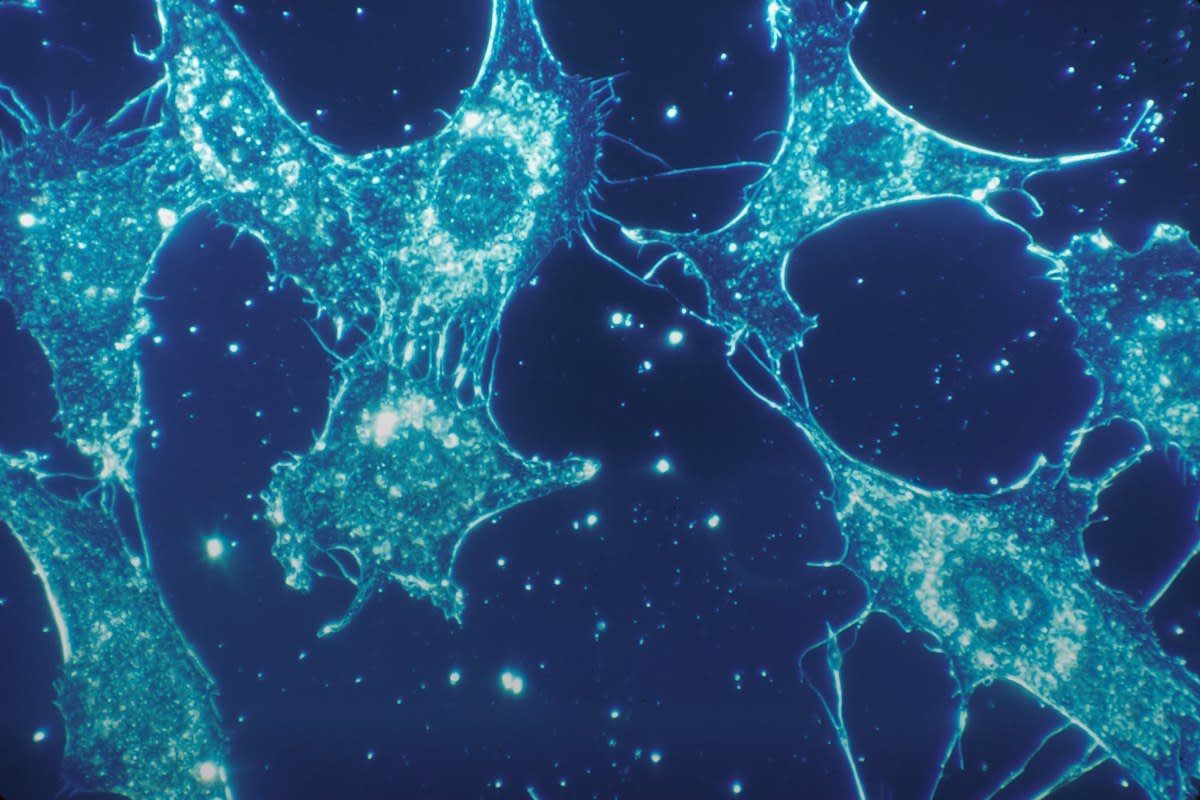
Senescence is the weight. These zombie cells cease dividing but refuse to die, secreting a cocktail of pro-inflammatory proteins that degrade surrounding healthy tissue (Source: Cell, 2019). They act as biological anchors. In regions like Nicoya, Costa Rica, the default diet and social web naturally suppress these inflammatory markers, allowing residents to maintain cellular plasticity well into their nineties (Source: National Geographic Blue Zones, 2018). This suggests that cellular longevity is not a miracle but a result of specific environmental pressures.
"Aging is a disease that can be treated. If we can identify the specific cells that have stopped functioning and remove them without harming the healthy tissue, we can effectively reverse the biological age of the organ."— Dr. Nir Barzilai, Director of the Longevity Research at Albert Einstein College of Medicine
Telomeres protect the ends. When these protective caps wear down, the cell triggers a permanent arrest to prevent cancerous mutations (Source: Nature, 2020). This safety mechanism becomes a liability. While the arrest prevents tumors, the lingering senescent cell continues to pump out cytokines, creating a cycle of chronic inflammation that accelerates the aging of neighboring cells. We must shift the focus from preventing the arrest to clearing the aftermath.
The Deceleration Protocol
Precision governs the outcome. The goal is not constant suppression but periodic clearance to mimic the natural rhythms of a youthful organism (Source: Aging Cell, 2021). Timing is everything. A reckless approach to senolytics can strip the body of cells necessary for wound healing, proving that more is not always better. Follow these steps to implement a structured cellular reset.
- Phase 1: Metabolic Priming. Reduce glycemic load for 14 days to lower insulin levels, which prepares the body for autophagy (Source: New England Journal of Medicine, 2019).
- Phase 2: Senolytic Clearance. Use targeted compounds like Quercetin or Dasatinib in short, pulsed cycles to selectively induce apoptosis in zombie cells (Source: Mayo Clinic, 2018).
- Phase 3: NAD+ Restoration. Supplement with precursors like NMN or NR to provide the raw materials for DNA repair and mitochondrial function.
- Phase 4: Epigenetic Stabilization. Implement caloric restriction mimetics to activate sirtuins and stabilize the histone acetylation patterns.
- Phase 5: Re-Evaluation. Repeat DNA methylation testing after 6 months to quantify the biological age reduction.

The Practitioner's Grind: Internal Industry Disputes
The industry is split. A loud clash exists between the senolytic camp, who demand the total eradication of senescent cells, and the senomorphic camp, who argue that we should simply quiet the inflammatory secretions (SASP) without killing the cell. The senomorphic advocates point out that senescent cells are critical for tissue repair and wound closure in the short term. If you clear too many, you risk systemic instability and impaired healing. This debate creates a massive gap in how protocols are prescribed, leaving practitioners to choose between total clearance and managed suppression.
| Mechanism | Target | Primary Goal | Risk Factor |
|---|---|---|---|
| Senolytics | Zombie Cells | Apoptosis (Cell Death) | Impaired Wound Healing |
| Senomorphics | SASP Proteins | Inflammation Suppression | Masking Cellular Damage |
| NAD+ Boosters | Sirtuins/PARPs | DNA Repair | Potential Tumor Fueling |
| Caloric Restriction | mTOR Pathway | Autophagy Induction | Muscle Mass Loss |
Global data confirms this. Research from the National University of Singapore indicates that genetic predispositions to longevity vary wildly across Asian populations, meaning a one-size-fits-all protocol is a failure (Source: Singapore Medical Journal, 2022). We see the same variance in South Korean cohorts where metabolic flexibility differs from Western norms. The terrain dictates the treatment. You cannot apply a North American diet-based longevity model to a population with different ancestral epigenetic markers.
Fact-Check & Accuracy Note
The debate centers on the TAME (Targeting Aging with Metformin) trial. While some argue Metformin is a panacea for longevity, critics suggest it may inhibit mitochondrial adaptation during exercise, potentially trading muscle strength for a longer lifespan. The academic community remains divided on whether pharmacological intervention should precede lifestyle optimization.
Common Pitfalls in Longevity Management
Blind supplementation fails. Many practitioners throw NMN and Resveratrol at a patient without checking their baseline NAD+ levels or insulin sensitivity (Source: Nature Communications, 2020). This is a waste. If the cellular terrain is too inflamed, these precursors are simply oxidized and excreted. You must clear the debris before you provide the fuel.
- Ignoring the mTOR switch: Constant protein intake prevents the autophagy needed to clear senescent cells.
- Over-reliance on a single compound: Longevity is a web, not a single thread; relying solely on one supplement ignores the complexity of epigenetic decay.
- Neglecting sleep architecture: Without deep sleep, the glymphatic system fails to clear metabolic waste from the brain, rendering cellular protocols moot.
- Ignoring chronological markers: Applying aggressive senolytics to a 30-year-old can disrupt necessary developmental processes.
The goal is stability. We are not seeking immortality but the expansion of the healthspan to match the lifespan. By targeting the mechanical failures of the cell, we move from reactive medicine to proactive biological management. The data is clear. Those who manage their cellular load live better, think faster, and decay slower.