Iran flogs singer Parastoo Ahmadi, 4 others with 74 lashes over hijab-free concert
Source Entity
The Indian Express
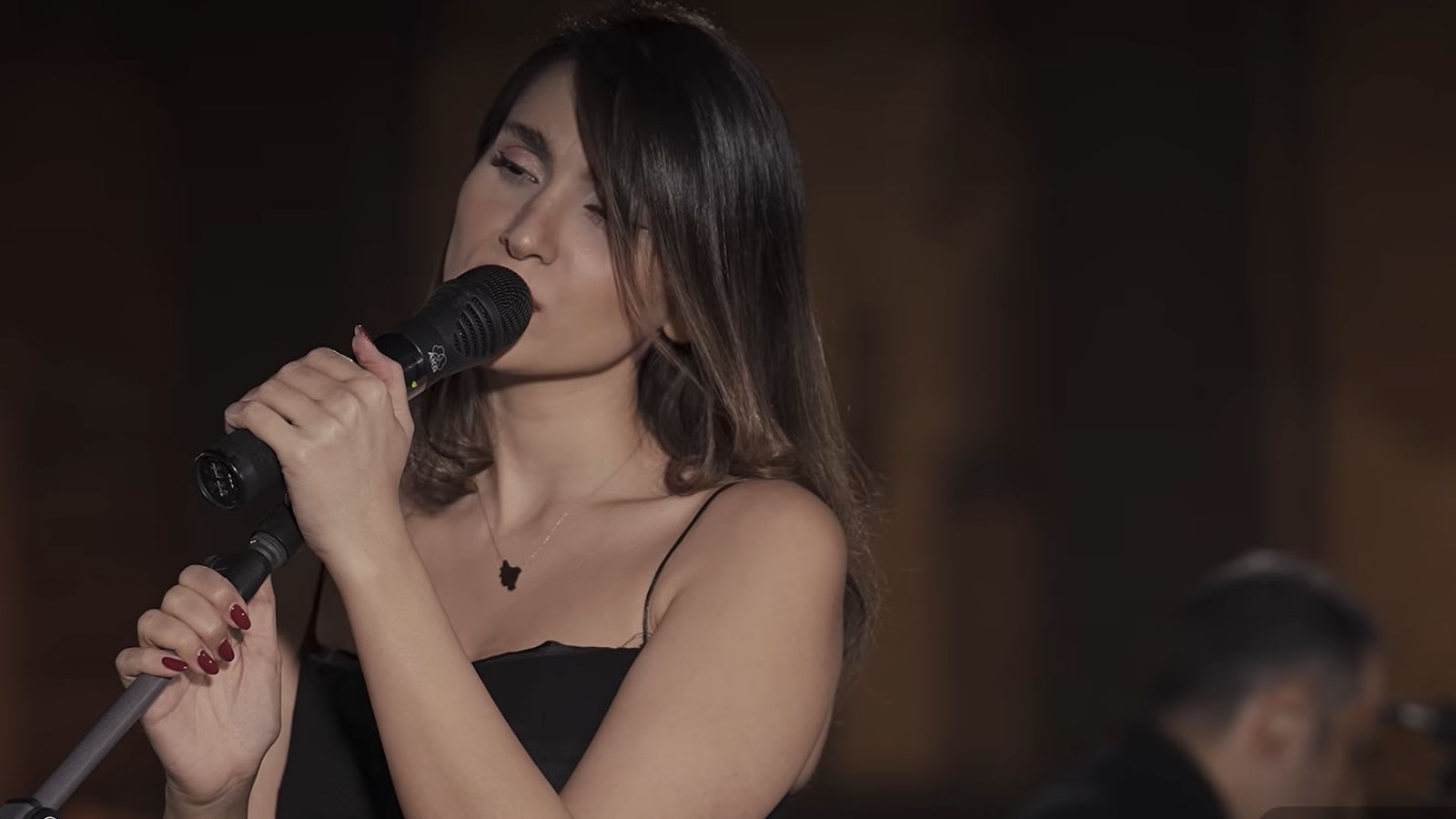
Iranian singer Parastoo Ahmadi and four members of her team were flogged with 74 lashes each in Qom for performing without a hijab. The sentencing follows a controversial 2024 YouTube concert that drew millions of views and legal action for offending public decency.
The Criminalization of Artistic Expression in Iran
The recent flogging of Iranian singer Parastoo Ahmadi and four members of her production team in the city of Qom marks a severe escalation in the state’s enforcement of restrictive cultural policies. On Monday, November 23, the Criminal Sentence Enforcement Office administered 74 lashes to each individual, following a protracted legal battle that began after Ahmadi’s December 2024 YouTube performance. This event highlights the stark reality of the legal environment in Iran, where artistic expression is frequently curtailed by strict interpretations of public decency laws.
The Legal Basis for Persecution
The charges against Ahmadi centered on "offending public decency," a broad legal classification used by Iranian authorities to prosecute conduct that deviates from state-mandated social norms. Under current Iranian law, women are prohibited from public singing performances and are legally required to wear a headscarf (hijab) and modest clothing at all times. Ahmadi’s decision to perform in a sleeveless gown without a hijab at the Deir-e Gachin Caravanserai was interpreted as a direct defiance of these statutes, leading to her arrest and subsequent conviction.
A Digital Act of Defiance
What began as a creative project—the 'Caravanserai Concert'—quickly transformed into a flashpoint for national debate. Filmed without a live audience and uploaded to YouTube, the video garnered over 3.3 million views, demonstrating the massive public appetite for independent artistic content. By utilizing digital platforms to circumvent traditional state-controlled media, Ahmadi challenged the monopoly on cultural production. However, the reach of her video also ensured it became a visible target for authorities, who viewed the digital footprint as evidence of criminal intent.
Judicial Proceedings and Sentencing
The judicial process moved from an initial conviction in a Qom criminal court in June to an appellate confirmation in late September. While the original case involved nine individuals, reports confirm that the physical punishment of 74 lashes was carried out against Ahmadi and four of her team members. This systematic pursuit, spanning nearly two years from the date of the performance to the execution of the sentence, reflects the Iranian judiciary's commitment to maintaining stringent social control through the consistent application of corporal punishment.
Broader Implications for Human Rights
The international reaction to the flogging of Ahmadi and her team has been one of significant outrage, as the event serves as a potent symbol of the ongoing struggle for women's rights and artistic freedom within the nation. By punishing artists for their creative output, the state reinforces a climate of self-censorship. This case is not merely about a singular performance; it is emblematic of a wider, systemic effort to suppress cultural evolution and individual expression that exists outside the parameters of state-sanctioned morality.
Future Trends and Cultural Stagnation
Looking ahead, the case of Parastoo Ahmadi suggests that the tension between Iranian authorities and independent artists will likely persist. As long as digital platforms continue to provide a medium for dissent, the state is expected to maintain its reliance on punitive measures to deter others. This cycle of performance, prosecution, and punishment risks stifling the nation's creative sector, potentially leading to a "brain drain" of talent as artists seek more hospitable environments for their work, further isolating Iran's cultural scene from global trends.
Multiple Citing Sources