Delhi To Get Barrier-Free Tolls At All Entry Points: How MLFF System Will Work
Source Entity
NDTV News Search Records Found 1000
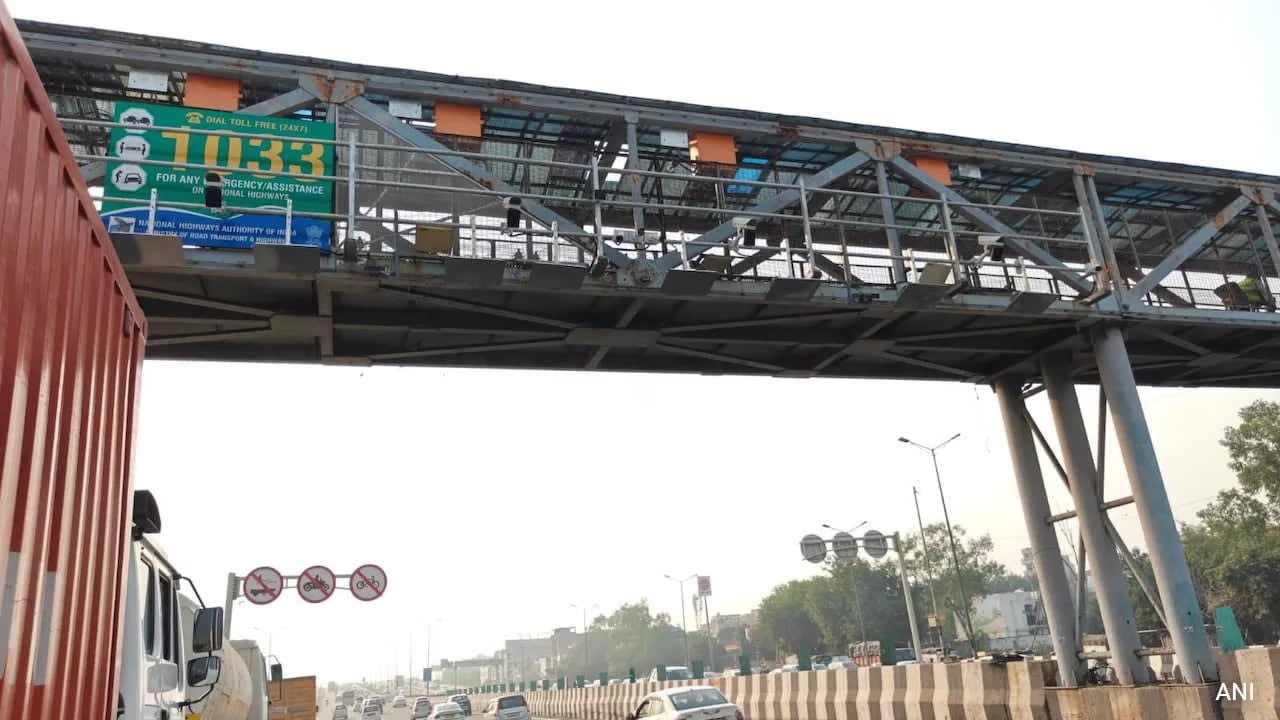
Delhi is set to implement a Multi-Lane Free Flow (MLFF) toll system across all city entry points. This transition aims to eliminate traditional toll barriers to improve traffic efficiency and reduce congestion.
The Future of Delhi’s Infrastructure: Implementing MLFF
The announcement that Delhi will transition to a Multi-Lane Free Flow (MLFF) system across all entry points marks a significant technological shift in urban infrastructure management. By removing physical toll plazas, the city aims to eliminate the classic bottlenecks that have long plagued commuters entering the capital, replacing them with a seamless, digitized transaction environment.
How the MLFF System Functions
At its core, the MLFF system utilizes advanced sensor technology, high-speed cameras, and automated license plate recognition (ALPR) to identify vehicles as they pass through toll zones at highway speeds. Unlike traditional systems that require vehicles to slow down or stop at barriers, MLFF maintains constant traffic flow, using RFID tags and backend software to deduct tolls automatically from a pre-linked account. This real-time processing ensures that the physical infrastructure no longer acts as a gatekeeper for traffic movement.
Alleviating Urban Congestion
Delhi’s entry points have historically been high-friction zones where idling vehicles contribute significantly to both air pollution and wasted fuel. By implementing barrier-free tolls, the city is addressing the 'stop-and-go' phenomenon that exacerbates local emissions. The removal of physical barriers is expected to optimize traffic flow, allowing for a more consistent speed profile for thousands of vehicles entering the city daily.
Technological Integration and Challenges
Transitioning to a fully automated tolling system requires robust digital infrastructure and high levels of compliance. The success of this initiative will depend on the integration of existing FASTag ecosystems with the new MLFF architecture. Furthermore, the system must be capable of high-accuracy identification to prevent revenue leakage, requiring continuous maintenance of the sensor arrays and networking hardware installed at these entry points.
Broader Implications for Indian Infrastructure
This move by Delhi serves as a pilot case for modernizing toll collection across India. If successful, the widespread adoption of MLFF could set a new standard for national highways and major metro connectivity. It reflects a broader shift in governance, where digital-first solutions are being prioritized to solve legacy problems of urban planning and infrastructure efficiency.
Conclusion
In summary, the implementation of the MLFF system at Delhi’s entry points is a critical step toward a smarter, more efficient transport network. While the transition will require careful implementation and public adaptation, the long-term benefits of reduced congestion and improved transit times represent a significant milestone in the evolution of the city's logistical capabilities.
Verification Required?