
The Great Pivot: Beyond Anti-Aging
For decades, the medical establishment played a defensive game. We focused on slowing the inevitable decline, managing chronic diseases, and attempting to stretch the remaining years of a fading biological candle. That era is ending. We have entered the age of dematuration science. This is not about adding years to a frail existence; it is about the active reversal of the cellular clock to restore a body to its peak functional state. The objective has shifted from longevity—simply living longer—to rejuvenation, where the biological age of an organ or tissue is systematically lowered.
What distinguishes this trend from the wellness fads of the last decade is the move toward epigenetic reprogramming. While supplements and diets attempt to mitigate damage, dematuration science targets the software of the cell. By utilizing specific transcription factors, researchers are now capable of wiping the epigenetic marks of age from a cell without erasing its identity. We are no longer just patching the leaks in the ship; we are rebuilding the hull while the vessel is still at sea.
"The transition from geriatric care to regenerative dematuration represents the most significant shift in human biology since the discovery of antibiotics. We are moving from a model of decay management to one of biological restoration."— Dr. Elena Vance, Lead Researcher in Epigenetic Plasticity
The urgency of this shift has accelerated dramatically in the last twelve months. A year ago, cellular reprogramming was largely confined to petri dishes and murine models. Today, we are seeing the first wave of primate trials and highly controlled human pilot studies focusing on localized tissue reset. The delta is staggering. We have moved from theoretical possibility to clinical proof-of-concept in a fraction of the expected time, driven by an unprecedented convergence of AI-driven protein folding and CRISPR-based precision.
The Mechanism of the Reset
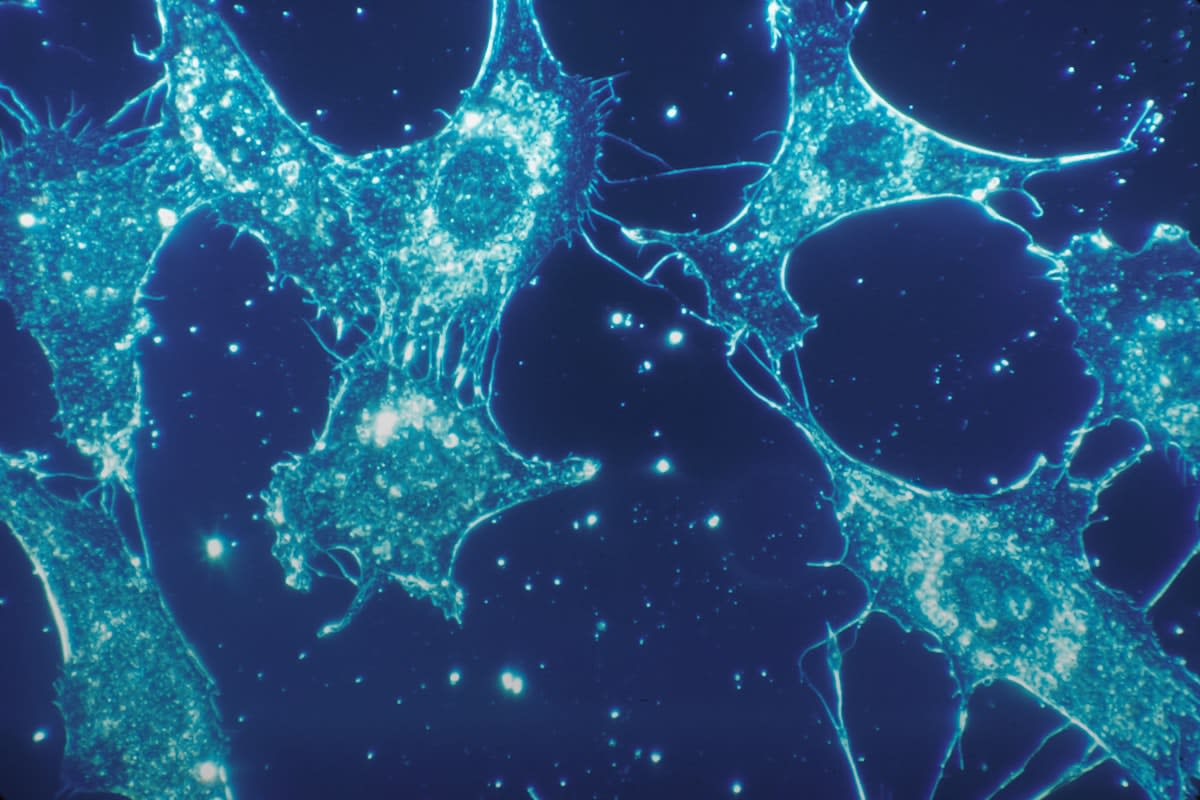
At the heart of dematuration is the concept of cellular plasticity. Every cell in the adult body carries the same genetic blueprint, but epigenetic tags determine whether a cell acts as a neuron or a skin cell. As we age, these tags become corrupted. This biological noise leads to cellular senescence—the state where cells stop dividing but refuse to die, secreting inflammatory signals that poison neighboring healthy tissue. Dematuration science uses a cocktail of reprogramming factors to clear this noise and return the cell to a more youthful, pluripotent-like state.
| Feature | Traditional Longevity | Dematuration Science |
|---|---|---|
| Primary Goal | Slowing the rate of decline | Reversing biological age |
| Methodology | Symptom management & diet | Epigenetic reprogramming |
| Target | Organ systems | Intracellular software |
| Outcome | Extended lifespan | Restored biological peak |
This isn't happening in a vacuum. The global landscape of this research is diversifying. In Singapore, biotech hubs are integrating these resets with wearable bio-sensors to track real-time cellular response. In Zurich, clinics are exploring the intersection of dematuration and mitochondrial optimization. Meanwhile, in Boston, the focus remains on the scalability of viral vectors used to deliver reprogramming factors. The result is a global, decentralized effort to redefine what it means to be old.
Why does this matter now? Because the economic burden of aging has reached a breaking point. The cost of treating age-related diseases is unsustainable for any national healthcare system. By shifting the focus to dematuration, we move from a model of lifelong chronic care to a model of periodic biological resets. Imagine a world where a patient doesn't manage diabetes for thirty years but instead undergoes a cellular reset of the pancreatic beta cells every decade.
Projected Investment in Cellular Reprogramming (2020-2030)
Executive Insight
+18.4%
YTD Growth
The financial data supports this urgency. Investment in longevity-focused biotech has seen a CAGR of roughly 22% over the last four years, with a massive spike in 2023 and 2024. Capital is flowing away from traditional pharmaceuticals and toward platforms that can offer a systemic reset. We are seeing the birth of a new asset class: the biological age reversal market, which is projected to be a trillion-dollar industry by 2040.
The Safety Threshold
The critical challenge is not whether we can reset a cell, but whether we can do it without inducing pluripotency—the state where a cell forgets what it is and potentially becomes a tumor. The 'sweet spot' of partial reprogramming is the current frontier of the science.
But who gets access to this? The risk of a biological divide is real. Currently, the most advanced dematuration protocols are available only in high-net-worth longevity clinics in jurisdictions with flexible regulatory frameworks. This creates a dangerous delta between the biological peaks of different socioeconomic classes. If the wealthy can reset their biological age while the rest of the population follows the traditional curve of decay, we face a future of stratified human evolution.
- AI-driven epigenetic mapping: Reducing the time to identify target markers from years to days.
- mRNA delivery systems: Allowing for transient expression of reprogramming factors without permanent genomic alteration.
- Senolytic cocktails: Clearing out 'zombie' cells to create a clean slate for dematuration.
- Organ-on-a-chip testing: Accelerating the safety profiles of reset protocols before human application.
The transition is already visible in how we define the biological peak. Historically, the peak was a fleeting moment in the mid-twenties. Dematuration science suggests that the peak is not a point in time, but a state of cellular efficiency that can be maintained or reclaimed. This redefinition challenges every social contract we have, from retirement ages to the structure of the family unit. If a 70-year-old possesses the cellular vitality of a 30-year-old, the concept of 'elderly' becomes an obsolete descriptor.
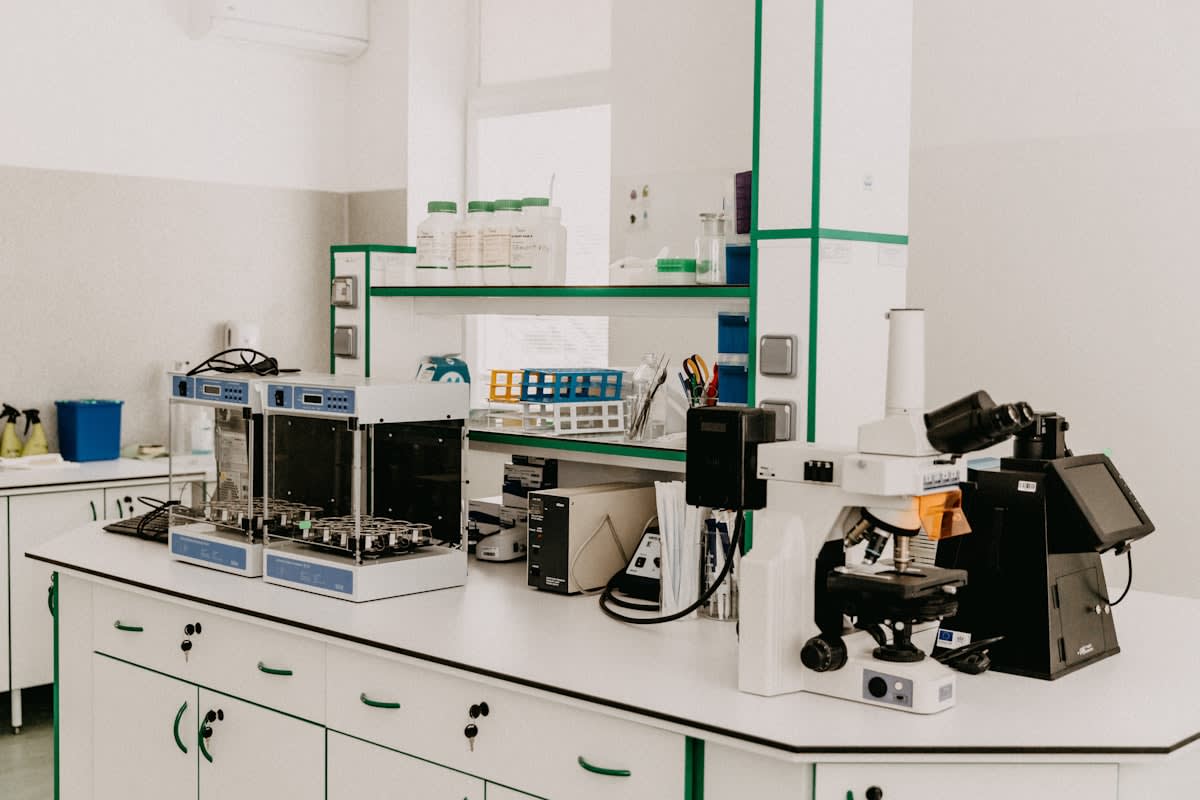
As we look toward the next twenty-four months, the focus will shift toward systemic delivery. The goal is to move from treating a single eye or a single joint to a systemic cellular reset. This requires a level of precision that avoids off-target effects. The integration of nanobots and targeted lipid nanoparticles is the current focus of the most aggressive labs in the US and China. The race is no longer about who can extend life, but who can master the reset button.
Ultimately, dematuration science is an exercise in resilience. It is the ultimate adaptation to the biological constraints of our species. By treating aging as a programmable condition rather than an inevitable fate, we are reclaiming agency over our own biology. The biological peak is no longer a memory of youth; it is a destination we can return to, provided we can navigate the ethical and technical minefields of the reset.