Mahayuti leads in 3 Maharashtra Council seats, MVA ahead in 2; preferential votes hold key
Source Entity
Latest News: Todays Latest News Headlines from India & World | Hindustan Times | Hindustan Times
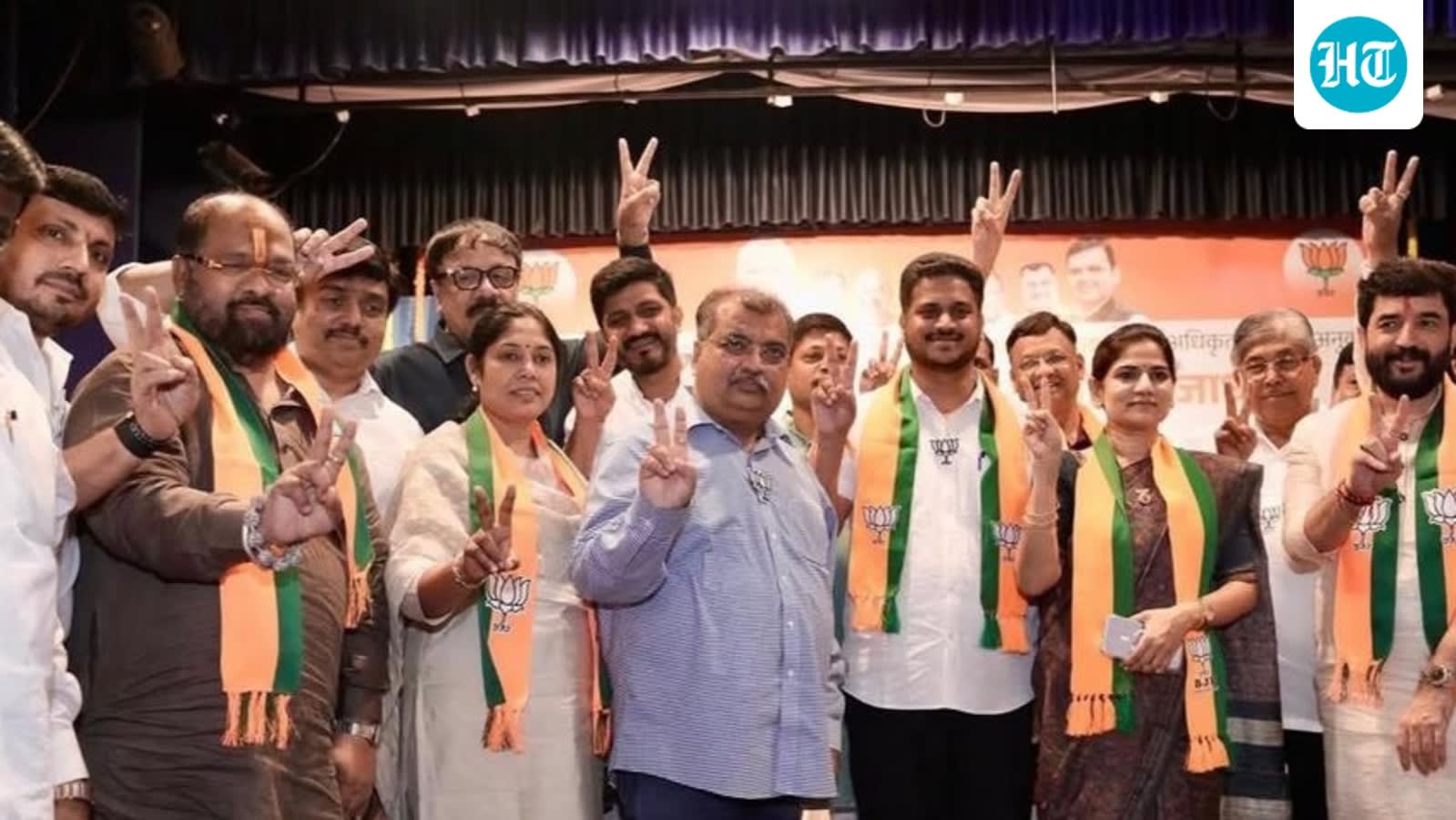
The BJP-led Mahayuti in Maharashtra and the BJP in Uttar Pradesh show strong performances in Legislative Council elections. While the BJP maintains key strongholds, the Samajwadi Party secured a notable win in Varanasi, as counting continues amid reports of electoral tensions.
Legislative Council Elections: A Snapshot of Maharashtra and Uttar Pradesh
The recent Legislative Council elections in Maharashtra and Uttar Pradesh have provided a critical pulse-check on the political landscape of two of India’s most influential states. In Maharashtra, the Mahayuti alliance—comprising the BJP, Shiv Sena, and NCP factions—has demonstrated resilience, leading in the Pune and Amravati Teachers’ constituencies as well as the Nagpur Graduates’ seat. Meanwhile, the Maha Vikas Aghadi (MVA) opposition has maintained its foothold in the Pune and Aurangabad Graduates’ constituencies.
The Complexity of Preferential Voting
These elections are unique due to the use of the single transferable vote system, where preferential voting becomes the decisive factor. As the initial rounds of counting concluded, the reliance on second and third-preference votes underscored the tight margins of these contests. The presence of rebel candidates from both alliances has further complicated the arithmetic, pushing final announcements well into the night and testing the organizational discipline of both the ruling and opposition coalitions.
Uttar Pradesh: BJP Dominance and SP Resilience
Shifting the focus to Uttar Pradesh, the BJP has signaled its continued dominance by retaining three critical seats: the Meerut graduates’ and teachers’ constituencies, and the Bareilly-Moradabad division teachers’ seat. Candidates such as Dinesh Kumar Goyal, Shrichand Sharma, and Dr. Hari Singh Dhillon have successfully defended their respective turfs, reinforcing the party’s organizational strength in the region.
The Varanasi Factor
Despite the BJP's broader success, the victory of the Samajwadi Party (SP) in the Varanasi Teachers’ constituency serves as a significant narrative point. Lal Bihari Yadav’s win, securing a second consecutive term in the Prime Minister’s parliamentary constituency, highlights the persistent ability of the SP to challenge the ruling party even in its most fortified strongholds. This result suggests a nuanced electorate that remains responsive to local opposition organizing.
Tensions and Electoral Integrity
However, the process has not been without friction. Reports from counting centers have highlighted instances of tension, with allegations of physical aggression and electoral malpractice surfacing. Specifically, SP representative Akash Agarwal alleged intimidation by BJP supporters during the counting process. Such incidents underscore the high stakes involved in these polls, as they serve as bellwethers for wider assembly or general election sentiment.
Future Trends and Conclusion
As the Election Commission finalizes the results in Uttar Pradesh and the final tallies are confirmed in Maharashtra, the trends suggest a polarized political environment where every vote, particularly in preferential systems, carries immense weight. The ability of the BJP to retain its core seats while facing pockets of resistance from the SP and MVA suggests that while the ruling coalitions maintain an edge, the political landscape remains competitive. Future electoral cycles will likely see continued reliance on booth-level management and the careful navigation of coalition dynamics to secure victory in these specialized constituencies.
Multiple Citing Sources
Verification Required?