Vijay wasn’t asked to convert to Hinduism, only affirm faith in deity: Madras HC
Source Entity
Latest News: Todays Latest News Headlines from India & World | Hindustan Times | Hindustan Times
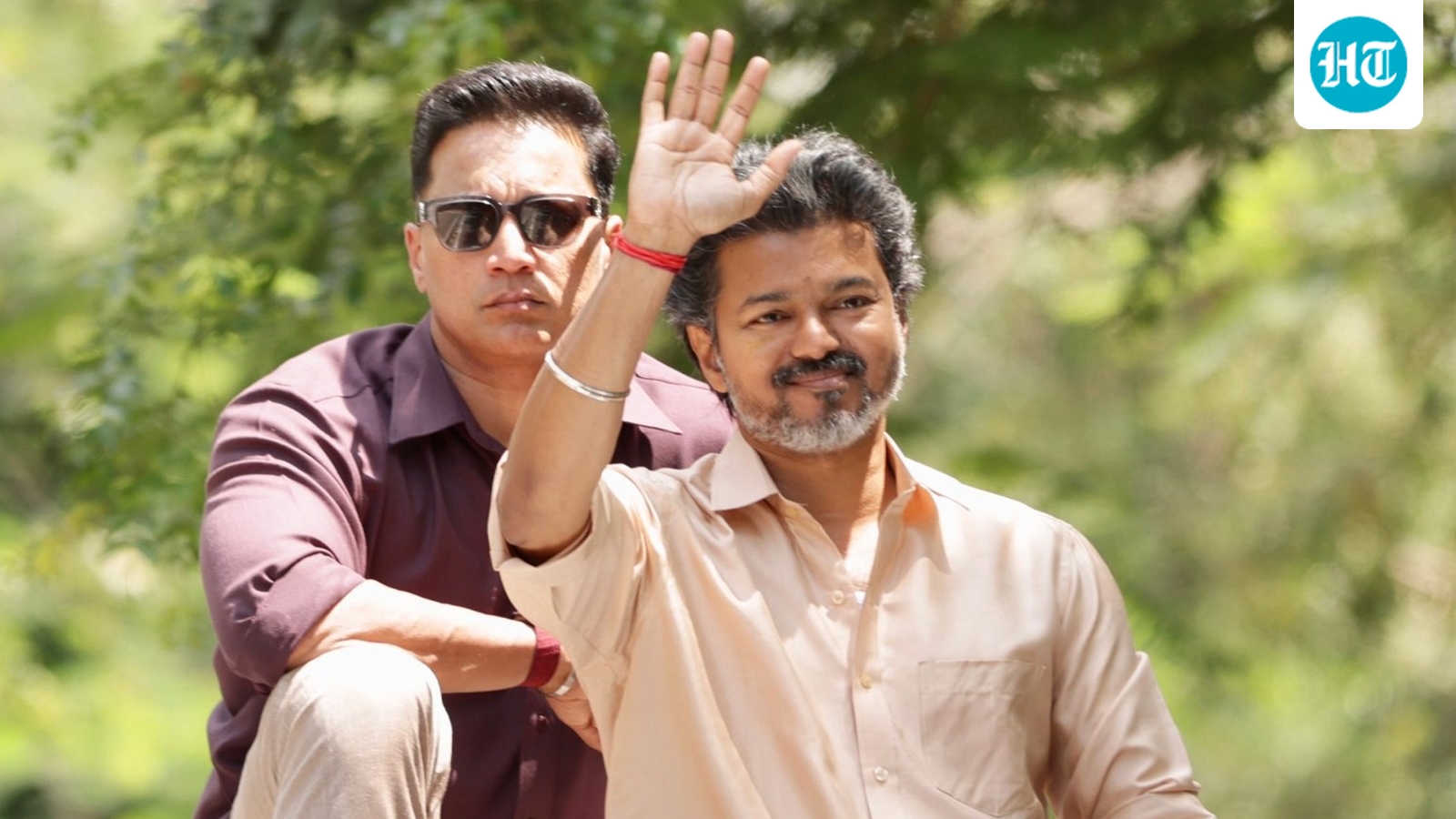
The Madras High Court clarified that Tamil Nadu CM C. Joseph Vijay was not required to convert to Hinduism, but rather to affirm his faith in the deity to enter the Meenakshi Amman temple. The court established a new mandate requiring non-Hindus to sign an undertaking of reverence to enter Agamic temples.
Madras High Court Clarifies Entry Protocols for Agamic Temples
The Context of the Judicial Ruling
In a recent legal development, the Madras High Court addressed the intersection of religious custom and public access to sacred spaces. The court clarified that Tamil Nadu Chief Minister C. Joseph Vijay, who is of the Christian faith, was not coerced into religious conversion during a visit to the Meenakshi Amman temple in Madurai. Instead, the bench composed of Justices GR Swaminathan and P. Murugan emphasized that he was merely asked to affirm his reverence for the presiding deity, a standard procedure for maintaining the sanctity of Agamic institutions.
Defining Agamic Injunctions and Sanctity
The court’s ruling stems from a Public Interest Litigation (PIL) filed by K. Thangam Venkatesh, which sought to enforce stricter adherence to Agamic injunctions. Agamic temples, which follow ancient scriptural codes for worship and temple management, hold a distinct status in Tamil Nadu. The court held that to prevent the "defilement" of these spaces, it is necessary to regulate the entry of non-Hindus who do not subscribe to the required reverence for the deity.
The Requirement for Formal Undertakings
A key component of the High Court’s order is the mandate that non-Hindus seeking entry into these sacred premises must submit a formal undertaking. This document serves as a pledge that the visitor respects the deity and agrees to abide by the specific customs and practices of the temple. This ensures that the religious atmosphere of the Agamic tradition is preserved while providing a pathway for respectful non-Hindu visitors to gain access.
Nuance Regarding Religious Markers
Importantly, the court clarified that the order does not constitute an unqualified ban on individuals who wear markers associated with other religions. The primary concern of the judiciary is the preservation of the temple's sanctity through the lens of belief and behavioral compliance rather than an exclusionary policy based solely on external symbols. The ruling seeks to balance the rights of Hindu devotees to maintain their traditions with the broader principles of access.
Broader Implications for Secular Governance
This case highlights the complexities of governing a diverse state where religious institutions have deep, historical, and scriptural roots. By distinguishing between the requirement of "conversion" and the requirement of "reverence," the court has provided a legal framework that prioritizes the internal customs of the temple over the personal faith of the visitor. This approach aims to prevent potential social friction while upholding the constitutional rights of religious organizations to manage their affairs in accordance with their traditions.
Conclusion and Future Trends
The Madras High Court’s decision is likely to set a precedent for how temple authorities across the state handle the entry of non-Hindus. As religious tourism continues to grow, the use of formal undertakings will likely become a standard administrative procedure for major temples. This move reflects a judicial trend toward codifying traditional practices to ensure that modern visits to ancient sites remain aligned with the original intent of the Agamic scriptures.
Multiple Citing Sources
Verification Required?