Orthopaedic surgeon reveals 5 gym exercises he no longer does — and why
Source Entity
The Indian Express
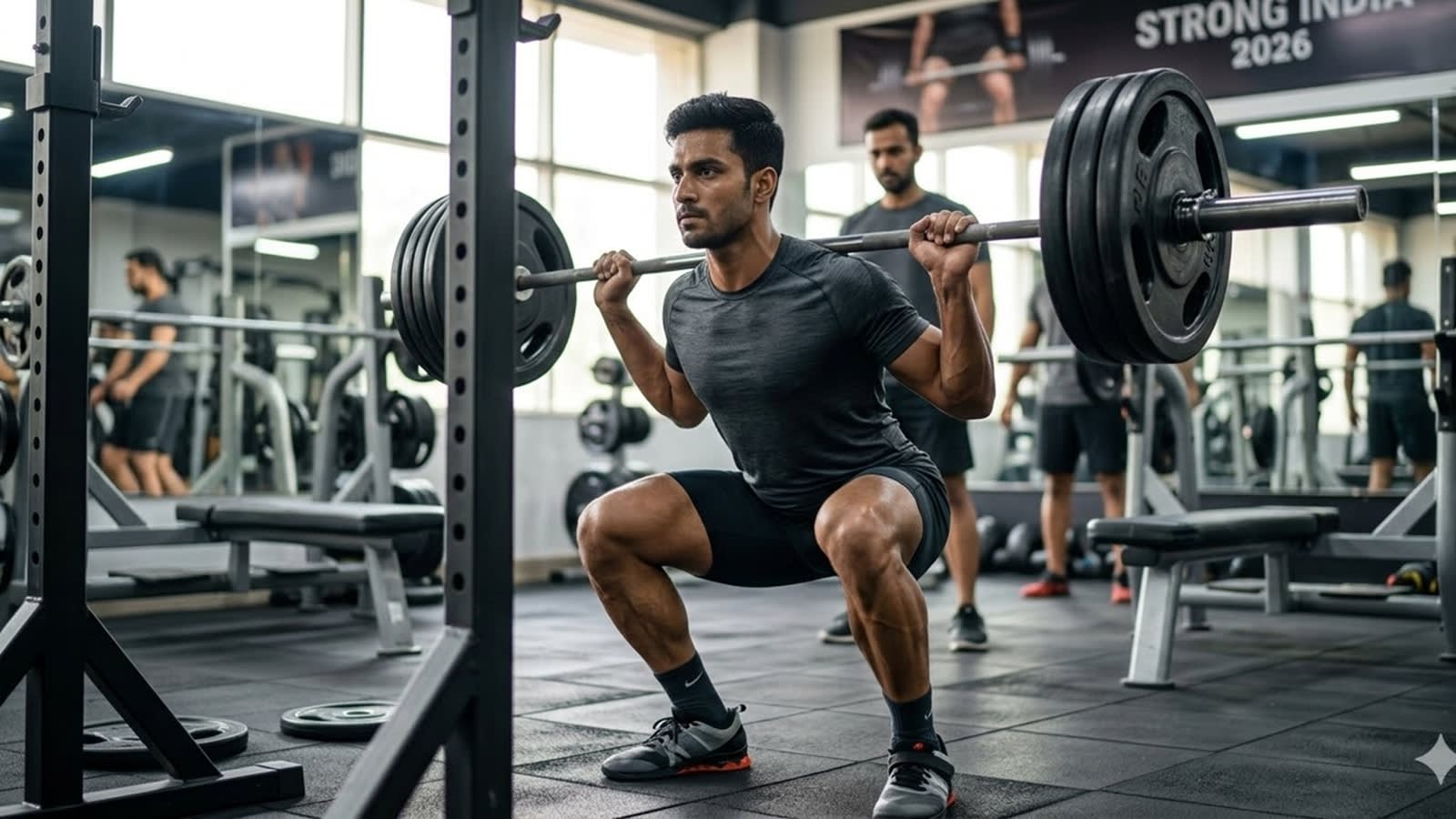
Orthopaedic surgeon Dr. Ankur Singh has identified two specific gym exercises, behind-the-neck shoulder presses and max-weight deadlifts with poor form, that he avoids to prevent injury. He emphasizes that improper mechanics and extreme joint stress often outweigh the muscle-building benefits of these movements.
Expert Insight: Why an Orthopaedic Surgeon Reconsiders Gym Staples
In the evolving world of fitness, the intersection of performance and longevity is becoming increasingly critical. Dr. Ankur Singh, an orthopaedic surgeon, has recently shared his professional perspective on common gym exercises that, while popular, may carry risks that outweigh their benefits. His assessment highlights a shift in focus from pure strength gains to the long-term preservation of joint health and structural integrity.
The Risks of Behind-the-Neck Shoulder Presses
Dr. Singh specifically identifies the behind-the-neck shoulder press as a movement he has removed from his personal regimen. The primary concern lies in the extreme external rotation required to execute the lift properly. According to Dr. Singh, this position places excessive, unnecessary stress on the rotator cuff—a group of muscles and tendons essential for shoulder stability. By forcing the joint into a compromised position, practitioners risk chronic irritation and long-term injury rather than sustainable muscle growth.
Mechanics Over Maximum Loads: The Deadlift Debate
Regarding the deadlift, Dr. Singh clarifies that the exercise itself is not inherently dangerous. Instead, he points to the prevalence of poor mechanics as the catalyst for injury. Specifically, rounding the spine under heavy loads significantly increases the risk of disc-related issues. Dr. Singh’s recommendation underscores a vital truth in strength training: the efficacy of a lift is tethered to the quality of execution. By swapping heavy, poorly formed deadlifts for safer variations, one can continue to build strength without compromising the spinal column.
The Shift Toward Longevity in Fitness
This advice reflects a broader trend among medical professionals who advocate for 'longevity-first' training. As individuals age, the cumulative wear and tear on joints become more apparent. Dr. Singh's guidance serves as a reminder that exercise selection should be filtered through the lens of biomechanics. It is not merely about what a muscle can lift, but whether the skeletal system can safely support that weight over a lifetime.
Future Trends in Injury Prevention
As public awareness regarding biomechanics grows, we expect to see a decline in the popularity of 'ego-lifting' in favor of controlled, range-of-motion-focused training. The insight provided by surgeons like Dr. Singh is invaluable for the general public, as it bridges the gap between high-intensity training goals and the clinical reality of orthopaedic recovery. Moving forward, fitness culture will likely continue to prioritize functional movement patterns that protect the joints from premature degradation.
Conclusion
Ultimately, Dr. Singh’s recommendations do not suggest abandoning strength training, but rather refining it. By eliminating movements that stress the rotator cuff and correcting form-related issues in compound lifts like the deadlift, athletes can achieve their goals while maintaining their physical health. The key takeaway remains clear: long-term fitness success is built on the foundation of injury prevention and biomechanical awareness.