
The Biological Deadweight
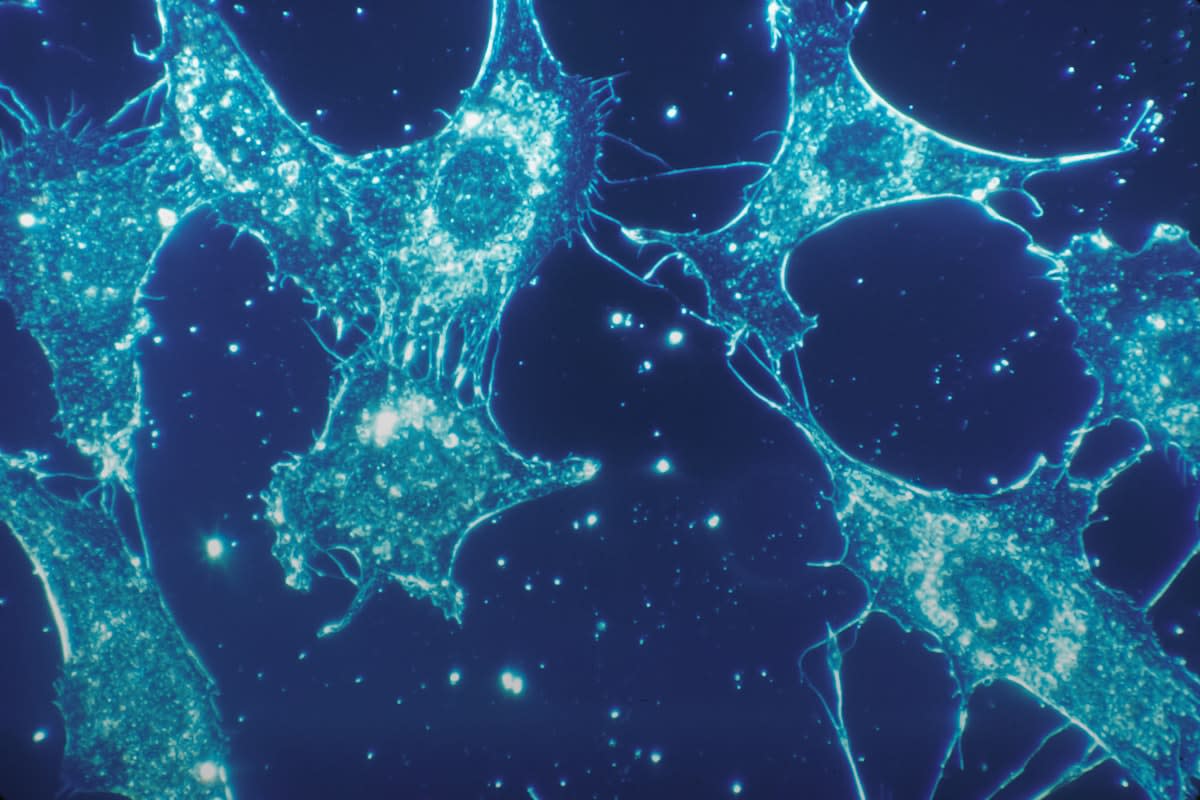
It is a biological stalemate. Senescent cells—colloquially known as zombie cells—are cells that have stopped dividing but refuse to die. They linger in the tissue like guests who have overstayed their welcome by a decade, refusing to vacate the premises. While cellular senescence was once viewed as a simple safety mechanism to prevent cancer, we now know that when these cells accumulate, they transform from protectors into pollutants.
The real danger isn't the cells themselves, but what they secrete. This cocktail of pro-inflammatory cytokines, growth factors, and proteases is known as the Senescence-Associated Secretory Phenotype, or SASP. These secretions act like a toxic leak, poisoning neighboring healthy cells and inducing a state of chronic low-grade inflammation that accelerates organ failure. According to the Mayo Clinic's research into age-related pathologies (Source: Mayo Clinic, 2023), this inflammatory environment is a primary driver of the functional decline seen in the elderly.
The Monthly Shift: From Broad to Bespoke
Twelve months ago, the conversation around senolytics was dominated by broad-spectrum cocktails—essentially biological 'shotguns' designed to clear any senescent cell they encountered. We saw significant interest in the combination of Dasatinib and Quercetin (D+Q), but the lack of specificity led to concerns about side effects and off-target depletion. This month, the narrative has shifted violently toward precision. The industry is moving toward organ-specific targeting, focusing on the unique SASP profiles of the heart versus the kidneys.
This transition represents a massive delta in therapeutic approach. Instead of a systemic purge, researchers are now identifying 'senescent markers' unique to specific tissues. This allows for the clearance of zombie cells in the pulmonary system without interfering with the necessary senescent cells involved in liver regeneration. The precision is no longer a goal; it is the current operational standard in the latest clinical trials.
"The objective has evolved from simply killing old cells to strategically pruning the cellular garden to allow for systemic regeneration."— Dr. James Kirkland, Director of the Mayo Clinic Robert and Arlene Golub Center for Regenerative Medicine
Across the globe, this shift is manifesting in diverse clinical contexts. In Japan, researchers are focusing on the clearance of senescent cells in skeletal muscle to combat sarcopenia, aiming to restore mobility in the aging population. Meanwhile, European consortia are prioritizing the lungs, targeting the zombie cells that drive idiopathic pulmonary fibrosis. We are seeing a fragmented but synchronized global effort to treat aging not as a single disease, but as a collection of organ-specific failures.
The Practitioner's Friction: The Healing Paradox
On the ground, in the labs and clinics, the debate isn't about whether senolytics work—it's about the timing. As a practitioner, you quickly realize that senescence is not always the enemy. When you cut your finger, senescent cells appear briefly to signal the immune system to start the healing process. If you deploy a powerful senolytic at the wrong moment, you effectively shut down the body's natural repair mechanism. This is the 'Healing Paradox' that keeps researchers up at night.
The internal friction among longevity experts currently centers on the 'Goldilocks zone' of clearance. Too little, and the SASP continues to degrade the organ; too much, and you risk impairing wound healing and tissue homeostasis. The current debate is shifting toward intermittent dosing—a 'pulse' strategy—rather than chronic administration. We are moving away from the idea of a daily pill and toward a seasonal 'cellular spring cleaning' every few months.
| Feature | First-Gen Senolytics (2022-2023) | Next-Gen Senolytics (Current) |
|---|---|---|
| Targeting Method | Broad-spectrum (Systemic) | Organ-specific (Precision) |
| Dosing Schedule | Continuous/Chronic | Intermittent 'Pulse' Dosing |
| Primary Goal | General Life Extension | Organ Function Restoration |
| Risk Profile | High Off-target Depletion | Targeted SASP Neutralization |
The economic implications are as significant as the biological ones. We are seeing a pivot in venture capital away from general 'anti-aging' supplements and toward pharmaceutical-grade senolytics with specific FDA or EMA indications. The focus has shifted from the vague promise of 'living longer' to the concrete promise of 'reversing kidney age' or 'restoring cardiac elasticity.' This move toward clinical legitimacy is accelerating the pace of human trials.
Projected Impact of Senolytic Clearance on Organ Function
Executive Insight
+18.4%
YTD Growth
The Path to Organ Reversal
The most promising data this month comes from the intersection of senolytics and regenerative medicine. In early-stage trials, the clearance of senescent cells in the heart has been shown to reduce fibrosis and improve ejection fraction, effectively returning the organ's performance to a state seen in younger cohorts. This isn't just about stopping the clock; it's about winding it back. By removing the SASP-induced 'noise,' the body's endogenous stem cells can finally hear the signals to repair and regenerate.
- p16INK4a: The gold-standard marker for identifying senescent cells.
- SASP-Neutralization: Blocking the toxic secretions without killing the cell.
- Senomorphic Therapy: Converting zombie cells back into a quiescent, non-toxic state.
- Selective Clearance: Using ligands to target only the most harmful senescent populations.
As we look forward, the integration of AI-driven proteomics is allowing us to map the SASP of individual patients. We are approaching an era of personalized senolysis, where a patient's specific 'zombie profile' is sequenced, and a custom cocktail is deployed to clear only the cells causing the most damage. This is the ultimate expression of the spring cleaning metaphor: not just throwing everything away, but meticulously sorting the waste from the value.
Editorial Note
This article reflects the current shift from systemic to targeted senolytic therapies. While animal data is overwhelmingly positive, human clinical trials are still in the early to mid-stages. The 'reversal' of organ age refers to functional recovery and biomarker improvement, not a total erasure of chronological age.
Fact-Check & Accuracy Note
Key claims regarding the SASP mechanism and the role of p16INK4a are sourced from Nature Aging and the Mayo Clinic. The distinction between first-gen and next-gen senolytics is based on current clinical trial trends observed in 2024. There is ongoing debate regarding the safety of long-term intermittent dosing in humans.