OpenAI revenue chief Denise Dresser leaving, second major executive departure in days
Source Entity
US Top News and Analysis
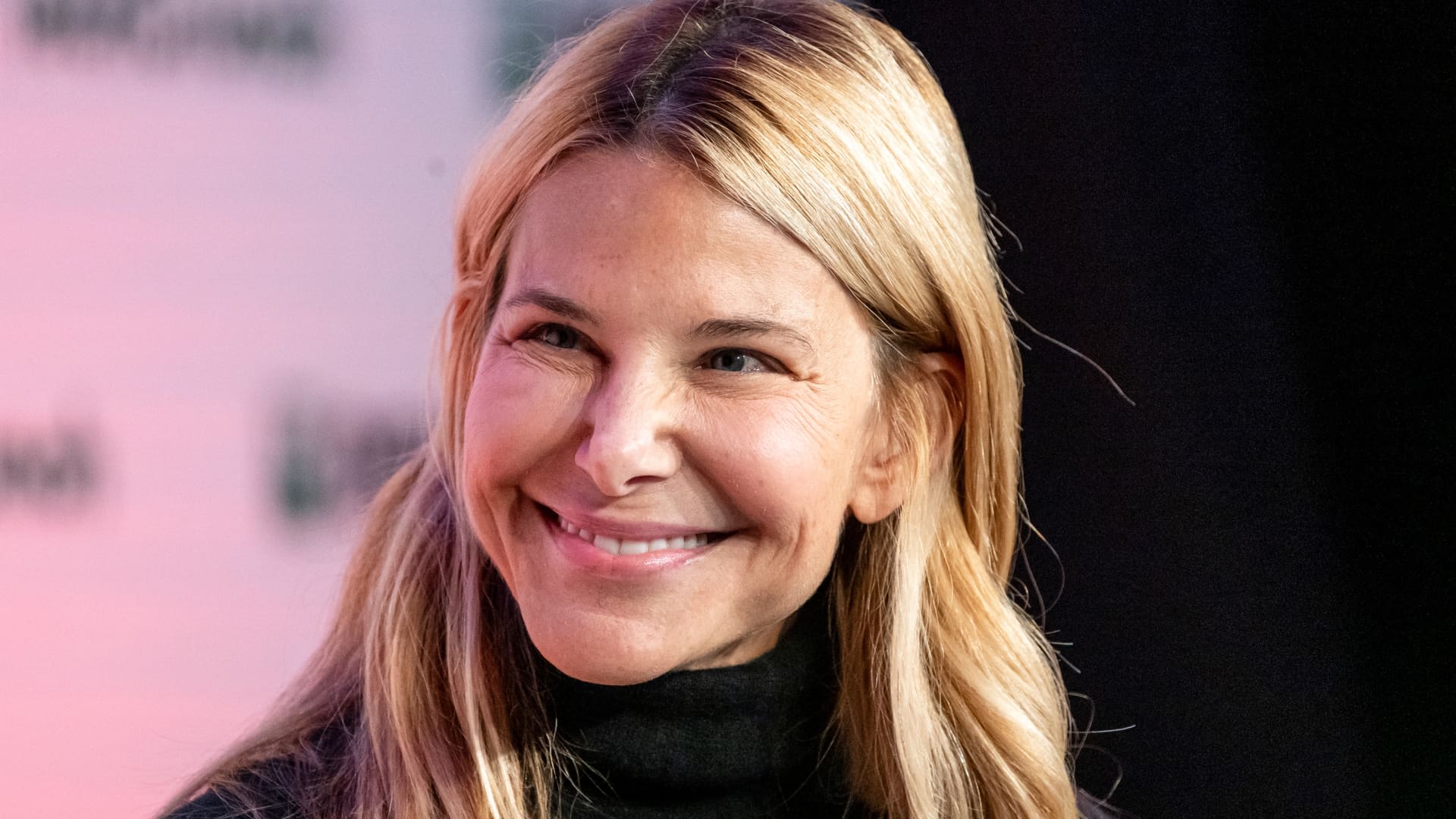
OpenAI's Chief Revenue Officer Denise Dresser is departing the company less than a year after joining, marking the second major executive exit this week. The firm has appointed former Wiz executive Dali Rajic as her successor as it prepares for a potential IPO.
Leadership Instability at OpenAI
OpenAI, the organization at the center of the generative AI revolution, is currently navigating a period of significant leadership transition. The departure of Chief Revenue Officer Denise Dresser, who joined the company only last December following her tenure as CEO of Slack, marks a startling shift in the company's executive structure. This exit is particularly notable given the brevity of her time in the role and the company's current trajectory toward a highly anticipated blockbuster IPO.
A Pattern of Executive Departures
Dresser’s exit is not an isolated event; it represents the second high-level departure within a matter of days. This follows the announcement that Brad Lightcap, a longtime executive who served as special projects lead and former COO, is also leaving the firm. Such a sequence of departures within a short window often signals underlying shifts in corporate strategy or internal culture, particularly for a company transitioning from a research-focused lab to a massive, revenue-generating commercial enterprise.
The Strategic Transition to Dali Rajic
To fill the void left by Dresser, OpenAI has moved quickly to secure Dali Rajic, the former president and COO of cybersecurity firm Wiz. Rajic’s background in high-growth enterprise software and security infrastructure suggests that OpenAI is prioritizing seasoned leadership that can manage the complexities of scaling revenue operations. By bringing in a veteran with a proven track record, the company aims to maintain investor confidence during its critical pre-IPO phase.
Implications for the Blockbuster IPO
OpenAI’s path to a public offering is fraught with both immense potential and organizational scrutiny. A stable executive team is usually a prerequisite for public markets, as investors seek clarity on growth strategies and operational longevity. The sudden turnover in the C-suite could complicate the narrative for potential stakeholders who are evaluating whether the company’s internal structure is robust enough to handle the pressures of Wall Street.
Historical Context and Future Trends
OpenAI has undergone rapid evolution since its inception, moving from a non-profit research collective to a complex commercial entity. The recruitment of executives like Dresser from established giants like Salesforce highlights the company's attempt to professionalize its operations. However, the high churn rate of these senior leaders suggests that the culture of a fast-moving AI lab may be clashing with the requirements of corporate scaling. The ability of Rajic to stabilize the revenue department will likely be a key indicator of OpenAI's readiness for its next phase of maturity.