New Zealand break with Oceania Football Confederation to withdraw Infantino support
Source Entity
BBC News
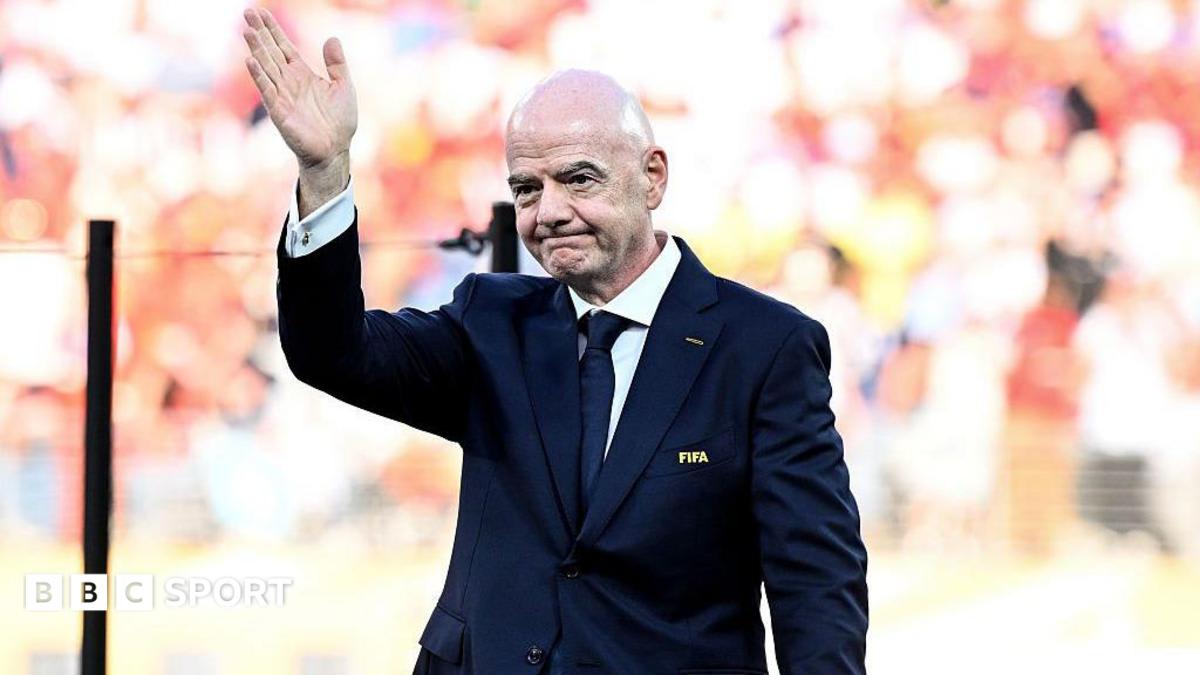
New Zealand has officially withdrawn its support for FIFA President Gianni Infantino's re-election bid. This move aligns the nation with several other global football associations opposing Infantino's commercial rights proposals.
New Zealand Breaks Ranks in FIFA Leadership Dispute
New Zealand has taken a significant diplomatic step within the global football landscape by officially withdrawing its support for FIFA President Gianni Infantino’s upcoming re-election bid. By breaking rank with the Oceania Football Confederation, New Zealand has signaled a growing dissatisfaction among member nations regarding the current leadership's strategic direction. This decision places the nation in alignment with a mounting coalition of football associations that are publicly questioning the future trajectory of the governing body under Infantino’s tenure.
The Catalyst: Commercialization Concerns
The primary driver behind this wave of dissent is Gianni Infantino’s controversial proposal to sell a 20% stake in the World Cup’s commercial rights to private equity investors. This move has sparked widespread concern across the footballing world, with major regional confederations—including UEFA (Europe), the AFC (Asia), and CONCACAF (North and Central America and the Caribbean)—withdrawing their support. Critics argue that such a significant infusion of private capital could fundamentally alter the governance and traditional structure of the sport's most prestigious tournament.
A Divided Global Landscape
While the opposition is substantial, the support base for Infantino remains entrenched in other parts of the world. The Confederation of African Football (CAF) and the South American governing body, CONMEBOL, have formally backed the 56-year-old incumbent for a fourth presidential term. This clear geographical and political divide illustrates the complex geopolitical nature of FIFA elections, where regional interests and development priorities often dictate the voting blocs that determine the organization's leadership.
Growing Coalition of Dissent
New Zealand’s move is not an isolated incident; it follows a string of similar declarations from influential member nations. Associations including England, Wales, Norway, the Republic of Ireland, and Northern Ireland have all confirmed they will not support Infantino's re-election. This collective pushback represents a significant challenge to the incumbent's mandate, highlighting a growing demand for transparency and a re-evaluation of how FIFA handles its multi-billion dollar commercial assets.
Future Implications for FIFA Governance
The upcoming FIFA Congress in March serves as a critical juncture for the organization. The outcome of the presidential vote will not only determine the leadership for the next term but will also signal whether the member nations prioritize the current commercialization strategy or opt for a more traditional, member-centric governance model. As more nations voice their opposition, the internal pressure on Infantino to justify his long-term financial vision for the World Cup will likely intensify, potentially leading to a shift in policy or a more contested election than previously anticipated.