Parliament Productivity In Monsoon Session Revealed; Special Session In The Offing?
Source Entity
Latest News: Todays Latest News Headlines from India & World | Hindustan Times | Hindustan Times
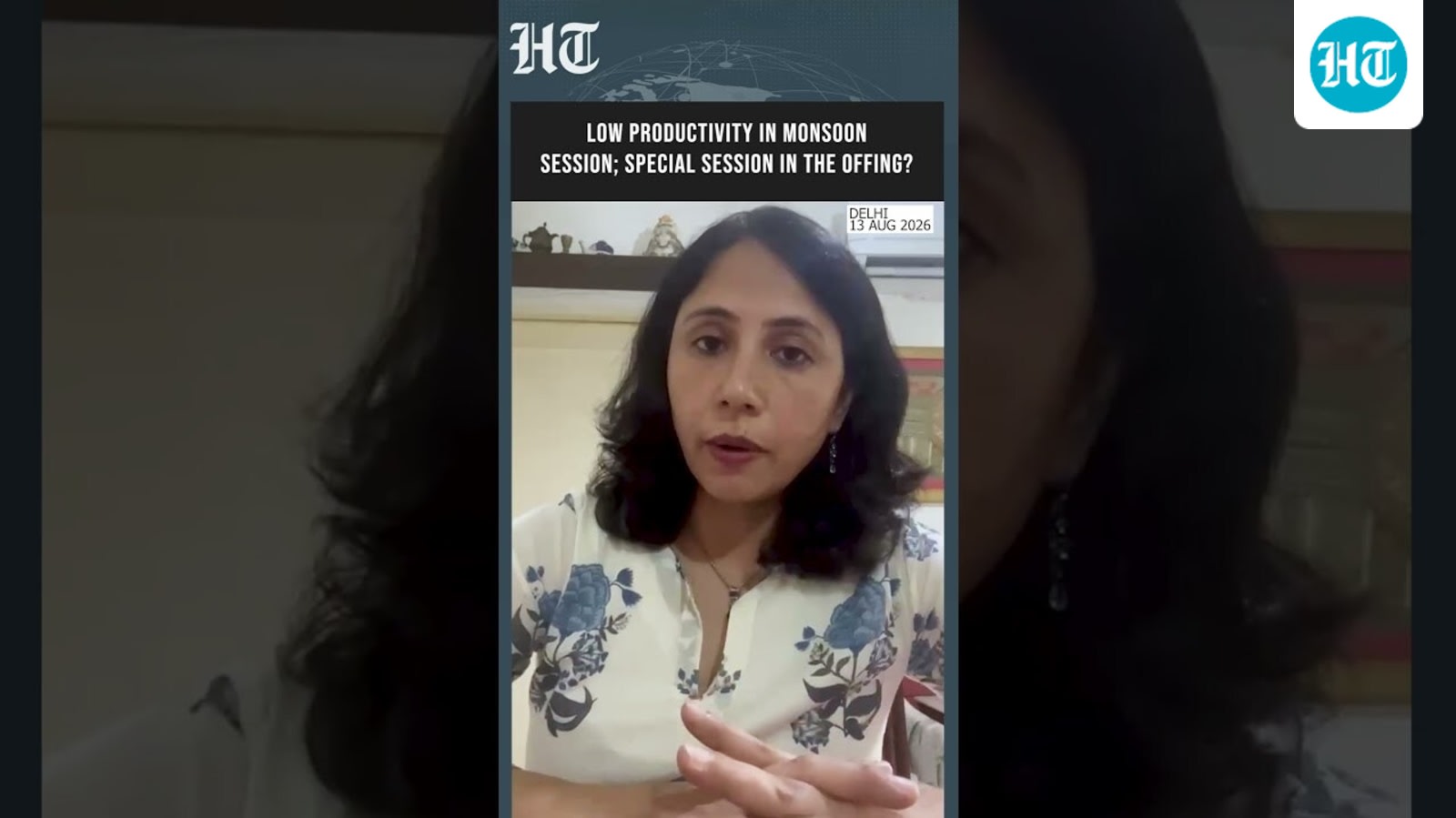
The Rajya Sabha Monsoon Session concluded with a low productivity rate of 39% due to persistent disruptions. Key legislative goals were sidelined by student protests and political tensions surrounding the Ram Temple donation scam.
The Decline of Parliamentary Productivity: A Post-Mortem of the Monsoon Session
The conclusion of the 271st Session of the Rajya Sabha marks a troubling chapter in contemporary Indian legislative history. As Chairperson C.P. Radhakrishnan adjourned the House sine die on August 13, 2026, he voiced "deep concern" regarding the state of parliamentary proceedings. With productivity languishing at a dismal 39%, the session serves as a stark reminder of the widening chasm between the government’s ambitious legislative roadmap and the reality of an increasingly volatile political climate.
The Impact of External Pressures
While the government entered the Monsoon Session with hopes of passing significant reforms—including amendments to the Foreign Contribution Regulation Act (FCRA) and the contentious Delimitation Bill—these plans were swiftly derailed. The session was besieged by a 'perfect storm' of external events, most notably widespread student protests and the subsequent crackdown on their march toward Parliament. These grassroots movements, combined with aggressive Opposition protests concerning the alleged Ram Temple donation scam, effectively paralyzed the floor of the House.
Legislative Stagnation and Lost Opportunities
Despite the chaotic environment, the Rajya Sabha managed to pass or return 12 Bills. However, the Chairperson’s remarks highlight a profound sense of missed opportunity. By failing to engage in substantive debate, members have arguably disenfranchised the very constituents they represent. The Chairperson’s plea for members to "uphold the dignity of the august House" underscores a growing fear that the procedural norms of Indian democracy are being eroded by partisan theater.
Gaming the System: A New Political Paradigm
The current legislative environment reflects a dangerous trend where MPs from all sides appear to be "gaming" the parliamentary process. Rather than acting as a forum for consensus-building, the House has increasingly become a stage for performative obstructionism. This strategy, while perhaps politically rewarding in the short term for specific factions, has long-term consequences for the efficacy of the law-making process and the stability of democratic institutions.
Historical Context and Future Implications
Historically, the "washing out" of the Monsoon Session has become a recurring trope in Indian political discourse. However, the 2026 session distinguishes itself through the intensity of the friction between the state and emerging civil society movements. As the government continues to struggle with its legislative agenda, the persistent low productivity rates—evidenced by the 39% figure in the Rajya Sabha and an even lower 19% in the Lok Sabha—suggest that future sessions may face similar gridlocks unless there is a fundamental shift in how political grievances are addressed within the parliamentary framework.
Conclusion
The failure of the Monsoon Session to function optimally is not merely a failure of scheduling or management; it is a symptom of a deeper systemic malaise. For Indian democracy to remain robust, the legislative branch must find a way to balance the expression of public dissent with the necessity of governance. Until the political class pivots from performative obstruction toward constructive debate, the "perils of empty swagger" will continue to hinder the progress of the nation's most vital legislative body.
Multiple Citing Sources
Verification Required?