I appeal to all parties to support reservation for women in Parliament: PM Modi
Source Entity
Latest News: Todays Latest News Headlines from India & World | Hindustan Times | Hindustan Times
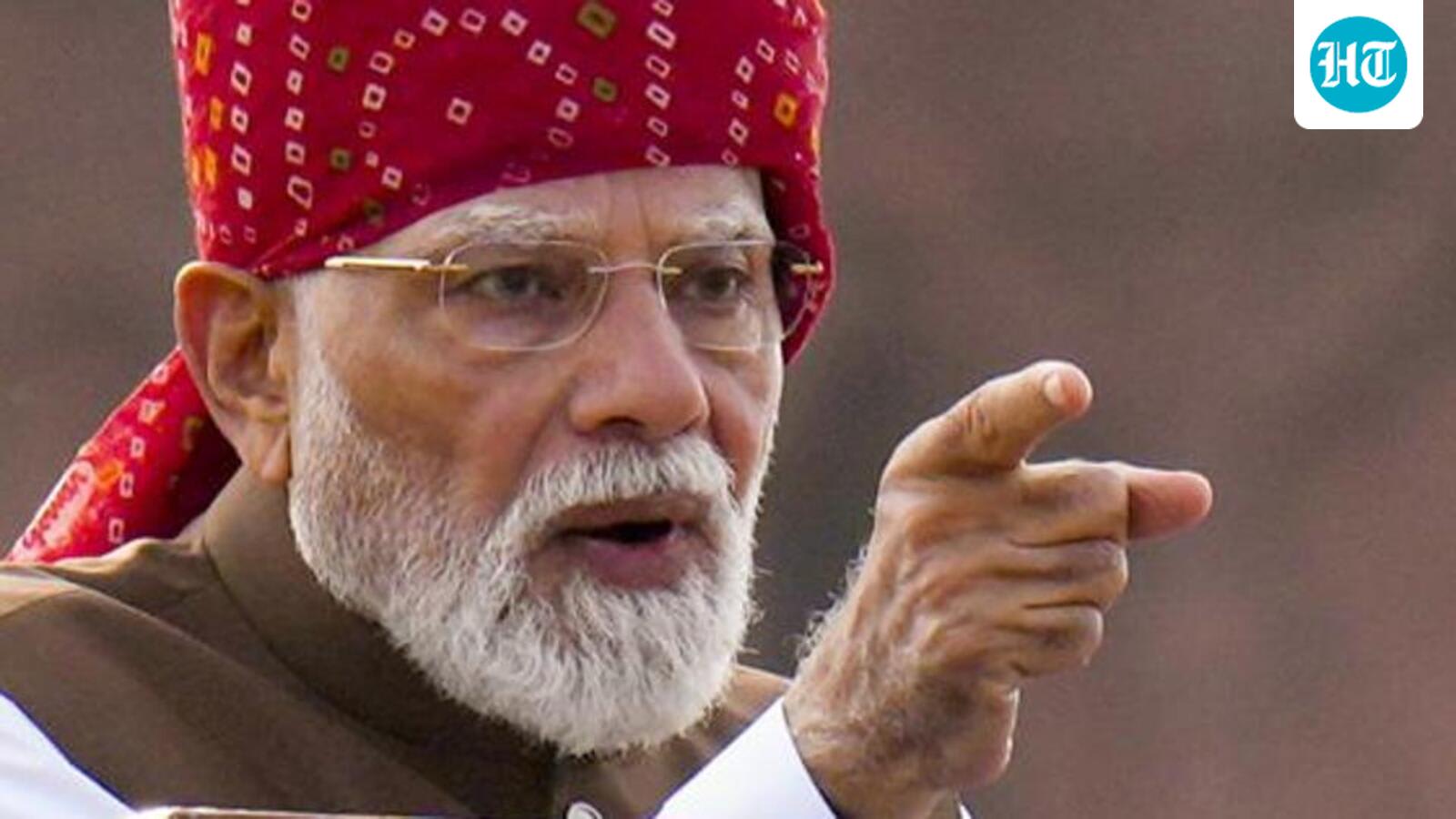
Prime Minister Modi has renewed his push for the 33% women's reservation bill while the nation celebrates its 80th Independence Day. The government remains focused on legislative reform and patriotic unity during these landmark commemorations.
Legislative Reform and National Pride: A Dual Focus
As India commemorates its 80th Independence Day, the political landscape is defined by a significant push for gender parity in governance. Prime Minister Narendra Modi’s recent appeal for cross-party support regarding the Constitution (One Hundred and Thirty-First Amendment) Bill highlights a critical intersection between national development and legislative reform. By advocating for 33% reservation for women in the Lok Sabha and legislative assemblies, the government is signaling a shift toward more inclusive democratic representation.
The Mechanics of the Reservation Bill
The proposed legislation seeks to fundamentally restructure the Lok Sabha. By increasing the total strength of the house to 815 seats, the bill aims to reserve 272 seats specifically for women. This shift, which also involves delimitation based on the 2011 Census, represents a complex legislative maneuver. Previous attempts, such as the effort in April where the bill failed to secure the necessary two-thirds majority of 352 votes out of 528 present members, underscore the difficulty of achieving consensus on such transformative constitutional changes.
Historical Context and Political Will
Prime Minister Modi’s emphasis on this bill as the "call of the hour" reflects an effort to institutionalize gender equity. The struggle to pass this reservation is not merely procedural but deeply ideological, requiring a broad coalition of political parties to look beyond partisan divides. The historical context of this bill suggests that while the intent for greater representation is widely recognized, the implementation details—specifically the expansion of seats and the reliance on older census data—remain points of intense negotiation within the parliamentary framework.
Independence Day and National Unity
Parallel to these legislative efforts, the nation is observing its 80th Independence Day with significant patriotic fervor. Union Home Minister Amit Shah’s participation in the 'Har Ghar Tiranga' campaign and the hoisting of the national flag at his residence symbolize a broader movement to foster national pride. This atmosphere of celebration is coupled with a robust security apparatus, involving over 25,000 personnel to ensure order during the events at the Red Fort.
Future Trends and Security Implications
As India scales new heights of progress, the integration of cultural milestones—such as the first-ever rendering of 'Vande Mataram' at the Red Fort—with serious legislative agendas like the women's reservation bill illustrates the current administration's dual strategy. Moving forward, the success of the 131st Amendment will depend on the government's ability to bridge the gap between its current parliamentary strength and the two-thirds majority required for constitutional amendments. The coming months will likely see intensified negotiations, as the government seeks to translate its rhetoric on women's empowerment into concrete, lasting policy.
Multiple Citing Sources
Verification Required?