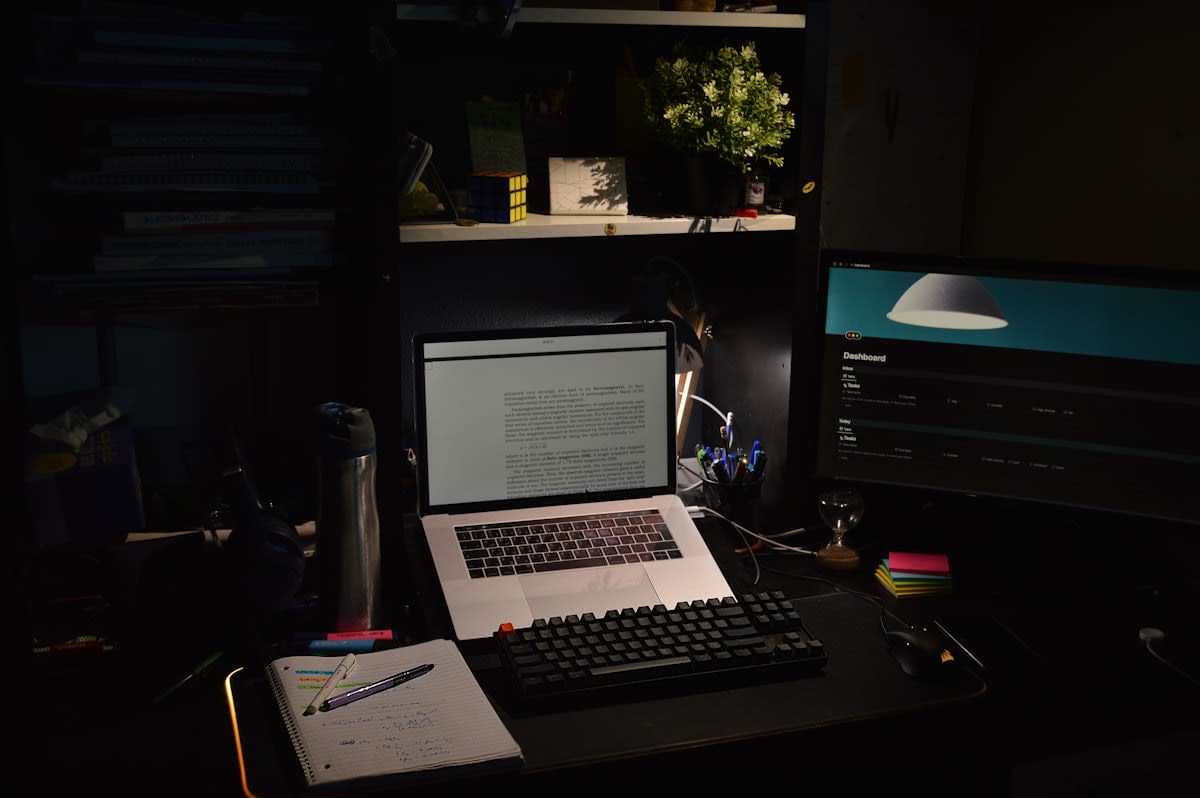
Time management is a lie. We have been conditioned to believe that the secret to productivity lies in the calendar, the planner, or the sophisticated task manager. But the calendar is a map of your intentions, not your energy. The real currency of the modern knowledge worker is attention. When you scatter that attention across twenty open browser tabs and a constant stream of notifications, you are not multitasking; you are fracturing your consciousness. This fragmentation creates a state of chronic cognitive noise that erodes your ability to think deeply, solve complex problems, and produce work of genuine value.
Cognitive hygiene is the intentional practice of auditing and cleaning the mental environment to minimize friction and maximize focus. It treats the mind not as an infinite resource, but as a biological processor with strict limits on bandwidth and energy. In high-pressure hubs from Tokyo to London, the most successful operators have moved beyond simple time-blocking. They employ a rigorous protocol to ensure that when they sit down to work, their mental energy is concentrated, not diluted. The goal is to transition from a state of reactive distraction to one of proactive deep focus.
Prerequisites for Mental Clarity
Before implementing the protocol, you must accept a hard truth: your environment is currently designed to steal your attention. Every app, every notification, and every open-office layout is an engineered distraction. To reset your cognitive baseline, you need more than a desire to focus; you need a physical and digital perimeter. You cannot rely on willpower alone because willpower is a depletable resource that vanishes the moment you are stressed or tired.
- A dedicated deep-work zone: A physical space used exclusively for high-concentration tasks.
- Analog capture tools: A notebook or whiteboard to offload intrusive thoughts without entering a digital device.
- Digital boundaries: A device-free window of at least 90 minutes.
- Biometric awareness: An understanding of your personal peak energy windows (e.g., early morning vs. late night).
This setup is not about luxury; it is about removing the micro-decisions that drain your energy. When you have to decide where to work or how to stop a notification, you are spending cognitive capital. By automating the environment, you save that energy for the actual task at hand. This is the difference between a professional athlete's training camp and a casual gym visit.
Step 1: The Cognitive Leak Audit
You cannot fix what you cannot measure. Most people experience a vague sense of exhaustion at 3 PM without knowing where their energy went. The Cognitive Leak Audit is a diagnostic process to identify exactly where your attention is being siphoned. We call these 'leaks' because they are often invisible—a quick check of an email that leads to a twenty-minute rabbit hole, or the background anxiety of an unfinished task.
- Log every context switch for three working days. Every time you move from your primary task to something else, mark it with a tally.
- Categorize these switches into 'Necessary' (urgent client request) and 'Impulsive' (checking news, social media, or internal chat).
- Identify your 'Trigger Points.' Do you switch tasks when the work gets difficult, or when you feel a dip in physical energy?
- Calculate your Attention Residue. Note how long it takes to fully re-engage with your primary task after a 'Necessary' interruption.
The data usually reveals a shocking reality. Research into attention residue suggests that when you switch from Task A to Task B, a portion of your attention remains stuck on Task A. This residue reduces your cognitive capacity for the new task. In fact, some studies indicate it can take up to 23 minutes to fully regain deep focus after a single interruption. If you switch tasks every ten minutes, you are effectively operating at a fraction of your intellectual potential.
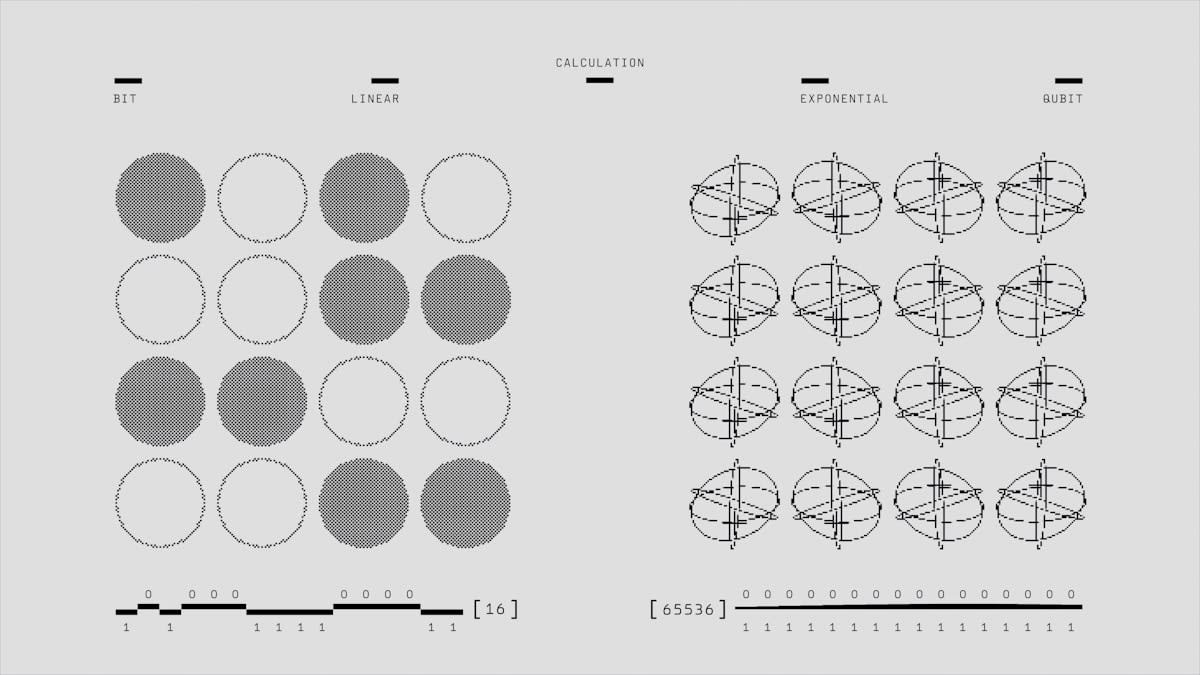
Once you have mapped your leaks, you can see the patterns. You might find that your most significant energy drains occur not during the work itself, but in the transitions between tasks. This is where the protocol shifts from diagnosis to architecture.
Step 2: Environmental De-cluttering
Your brain reflects your space. In the minimalist workspaces of Kyoto, the lack of visual noise is a deliberate strategy to keep the mind clear. Conversely, the chaotic open-office plans common in North American tech hubs are cognitive minefields. Visual clutter acts as a constant, low-level distraction, signaling to your brain that there are other things requiring your attention. To reset, you must ruthlessly prune your immediate surroundings.
- Clear the visual field: Remove everything from your desk that is not essential to the current task.
- Digital minimalism: Close all browser tabs that are not directly related to the project. Use a separate browser profile for work and leisure.
- Notification blackout: Enable 'Do Not Disturb' and move your phone to another room. Out of sight is truly out of mind.
- Audio anchoring: Use noise-canceling headphones or a specific 'focus playlist' to signal to your brain that the work session has begun.
This is not about aesthetic minimalism; it is about reducing the number of signals your brain has to process. Every object in your peripheral vision is a data point. By removing those points, you lower the baseline cognitive load, leaving more room for complex synthesis and creative problem-solving.
Step 3: The Focus Sprint Execution
Now that the leaks are plugged and the environment is clear, you can execute the Focus Sprint. This is the core of the Cognitive Hygiene Protocol. Instead of trying to work for eight hours straight, you work in high-intensity bursts that align with your biological rhythms. The human brain operates on ultradian rhythms—cycles of roughly 90 minutes of high-frequency brain activity followed by a period of lower energy.
- Define one single, concrete objective for the session. Vague goals like 'work on project' lead to procrastination.
- Set a timer for 90 minutes. This is your non-negotiable window of deep focus.
- Use an analog 'distraction log.' When a random thought or task pops into your head, write it down and immediately return to the work. Do not act on it.
- Commit to a 'zero-switch' policy. If you feel the urge to check a notification, acknowledge the impulse and let it pass without acting.
The first twenty minutes of a sprint are usually the hardest. This is the 'ramp-up' period where your brain fights the urge to return to the dopamine-rich environment of distractions. If you can push through this friction, you enter a state of flow where the perceived effort decreases and the quality of output spikes. This is where the most significant intellectual breakthroughs occur.
The Golden Rule of Focus
The 'Zero-Switch' rule is the most critical part of the protocol. Every time you 'just quickly check' a message, you reset the 23-minute recovery clock. You aren't losing seconds; you are losing the ability to think deeply.

Step 4: The Recovery Reset
Most professionals fail here. They finish a high-intensity sprint and immediately reward themselves by scrolling through social media or checking emails. This is not recovery; it is further cognitive stimulation. To truly reset your mental energy, you must engage in 'active recovery'—activities that allow the prefrontal cortex to go offline.
| Recovery Type | Example Activity | Cognitive Effect | Focus Impact |
|---|---|---|---|
| Passive (Bad) | Scrolling Social Media | Dopamine Spiking | Increases Mental Fatigue |
| Active (Good) | Walking in Nature | Default Mode Network Activation | Restores Attention |
| Active (Good) | Non-Sleep Deep Rest (NSDR) | Parasympathetic Activation | Resets Stress Levels |
| Active (Good) | Mindful Breathing | Cortisol Reduction | Clears Attention Residue |
By stepping away from all screens for 15 to 20 minutes, you allow your brain to consolidate the information you just processed. This is where the 'aha!' moments happen. When you stop forcing the focus, your brain's Default Mode Network (DMN) takes over, connecting disparate ideas and solving the problems that felt insurmountable during the sprint.
Common Pitfalls in Cognitive Hygiene
Implementing this protocol is a skill, and like any skill, it has a learning curve. Many practitioners fall into the trap of over-optimization, spending more time tweaking their system than actually doing the work. The system exists to serve the work, not the other way around.
- The Productivity Trap: Believing that more hours equals more output. Focus on the intensity of the work, not the duration.
- Ignoring Biology: Trying to force a deep-work sprint during your natural energy trough (e.g., the 2 PM slump).
- The 'Just One Check' Fallacy: Believing you can check one notification without triggering attention residue.
- Over-reliance on Tools: Using apps to manage focus instead of changing the underlying behavior.
The ultimate goal of the Cognitive Hygiene Protocol is resilience. In a world designed to distract, the ability to direct your attention is a competitive advantage. It is the difference between being a passenger in your own mind and being the architect of your intellectual output.