
The Architecture of Resilience
For decades, the medical establishment viewed cognitive decline as a slow, inevitable slide into obsolescence. That narrative just shattered. According to new evidence-based recommendations released by the World Health Organisation (WHO) on July 20, 2026, approximately 45 per cent of dementia cases are preventable. This is not a marginal improvement; it is a systemic shift in how we perceive brain health. The WHO asserts that these cases are linked to modifiable risk factors, meaning the trajectory of your mental acuity is, to a significant degree, within your control.
Building a brain that resists aging requires the construction of 'cognitive reserve.' Think of this as a mental buffer—a reservoir of neural connections that allows the brain to function normally even when pathology, such as tau buildup, begins to take hold. When you challenge your brain, you are not just learning a new skill; you are physically restructuring your neural architecture. This process ensures that if one pathway is blocked by age-related decay, your brain simply reroutes the signal through a secondary, redundant connection.
The Practitioner's Mantra
The goal is not to stop aging—which is biologically impossible—but to build a system so resilient that the symptoms of aging remain invisible for as long as possible.
Prerequisites for Cognitive Fortification
Before deploying the blueprint, you must establish a baseline of biological and psychological readiness. You cannot build a skyscraper on a swamp, and you cannot build cognitive reserve on a foundation of chronic sleep deprivation or mental stagnation. The following prerequisites are non-negotiable for anyone serious about long-term brain health.
- A commitment to 'stretching' the mind through unfamiliar experiences.
- A disciplined sleep hygiene protocol to facilitate neural detoxification.
- The willingness to abandon 'low-effort' mental habits in favor of high-friction learning.
- An understanding that cognitive health is a lifelong accumulation, not a short-term fix.
The Step-by-Step Blueprint for Brain Resilience
- Audit and mitigate modifiable risk factors based on WHO guidelines.
- Reconstruct sleep architecture to prevent long-term cognitive erosion.
- Deploy 'high-friction' cognitive hobbies to expand neural connectivity.
- Monitor and support biological protective factors through systemic health.
Step one begins with a ruthless audit of your lifestyle. The WHO's July 2026 guidelines emphasize that nearly half of dementia cases are preventable through real-life actions. This involves identifying the specific modifiable risks in your environment—whether that is untreated hypertension, social isolation, or sedentary behavior. By neutralizing these triggers, you stop the 'leak' in your cognitive reservoir before you start filling it back up.
Step two demands a total overhaul of your relationship with sleep. Neurologists reporting via The Times of India on July 18, 2026, have highlighted a critical link: poor sleep sustained over many years directly impairs how the brain functions and heightens the risk of age-related decline. Sleep is not merely rest; it is the brain's cleaning cycle. Without it, metabolic waste accumulates, hindering the very plasticity required to build cognitive reserve.

Step three is where the actual growth happens. You must engage in hobbies that provide genuine cognitive challenge. According to data from MSN, activities such as painting, knitting, and urban sketching are potent tools for strengthening cognitive health. The key here is the 'stretch.' As noted by the physician Oliver Wendell Holmes Sr., a mind stretched by a new experience never returns to its old dimensions. If the activity becomes easy, it is no longer building reserve; it is merely maintaining it.
Contrast this with the 'pinky-wiggling' myths circulating in some digital circles. Neuroscientists have been clear: simple, repetitive motions like wiggling a finger for a few seconds a day do absolutely nothing to reduce Alzheimer's risk. The brain ignores low-effort stimuli. To trigger neuroplasticity, you need complexity. Learning the intricate patterns of a Peruvian weave or the perspective laws of a street scene in Tokyo creates the dense neural web that shields the brain from future decay.
"A mind that is stretched by a new experience can never go back to its old dimensions."— Oliver Wendell Holmes Sr.
The Biological Shield: Understanding SORLA
While lifestyle is the lever, biology is the machinery. Recent research published in Science Advances on July 17, 2026, has identified a naturally occurring brain protein called SORLA that acts as a critical defense mechanism. In mouse models, boosting SORLA reduced the buildup of toxic tau proteins—the hallmark of Alzheimer's and other tauopathies—and prevented the shrinkage of brain tissue. This protein essentially acts as a shield, protecting the synapses where memory and learning occur.
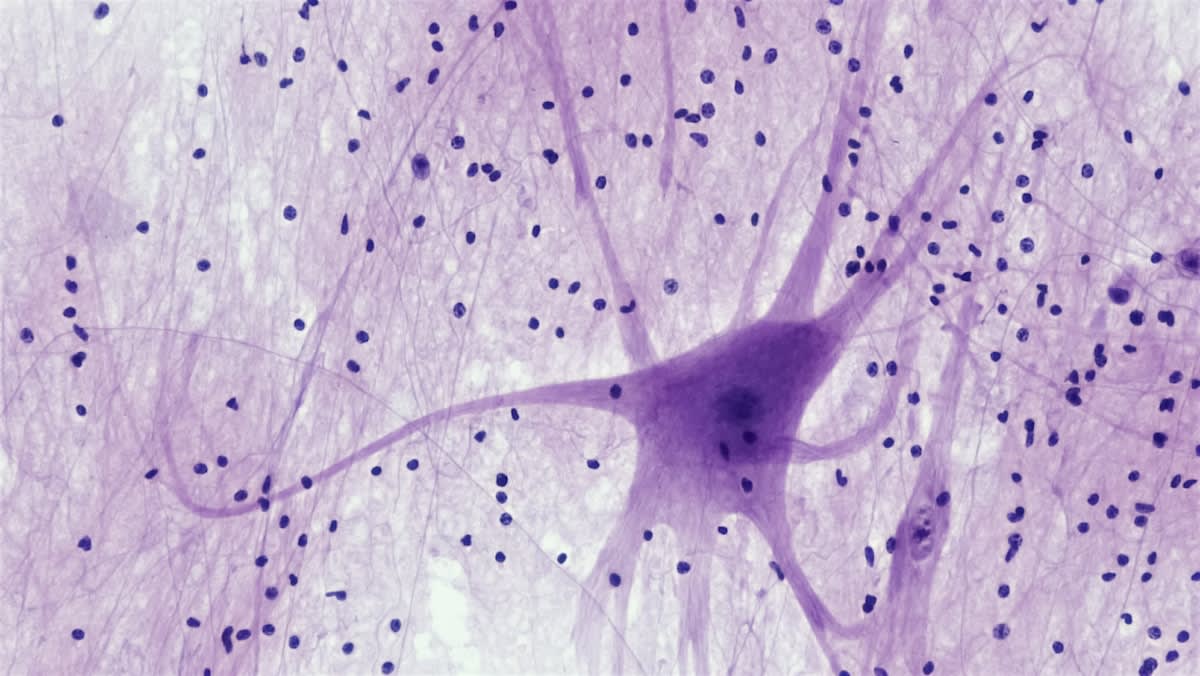
Why does this matter for the practical guide? Because it proves that the brain has innate protective mechanisms that can be supported. While we cannot yet 'inject' SORLA into humans, the research confirms that reducing brain shrinkage and protecting synaptic connections is a viable biological goal. By combining the WHO's modifiable risk reductions with high-challenge mental activities, you create an environment where these biological shields can operate at peak efficiency.
Common Pitfalls in Cognitive Maintenance
The most dangerous mistake is the 'Quick-Fix Fallacy.' Many people chase trendy diets or singular 'brain hacks'—like the aforementioned pinky wiggling—expecting a magic bullet. The Economic Times recently noted that the youngest-looking brains are not necessarily the result of trendy diets or exercise alone, but rather a combination of consistent, lifelong habits. Cognitive reserve is built through compound interest, not a one-time deposit.
Another frequent error is the 'Passive Learning Trap.' Watching a documentary or listening to a podcast feels like mental exercise, but it is largely passive. To build reserve, the brain must be the primary actor, not a spectator. You must move from consuming information to producing it. Instead of reading about art, paint. Instead of listening to a language podcast, engage in a conversation with a native speaker in a bustling market in Mexico City or Bangkok.
Finally, avoid the 'Crisis Mindset.' Do not wait for the first sign of memory lapse to begin this process. The research from The Times of India emphasizes that it is never too early to start protecting the brain. The goal is to build the reserve while your cognitive capacity is at its peak, ensuring that you have a massive surplus to draw upon as you age.
| Activity Type | Cognitive Load | Impact on Reserve | Example |
|---|---|---|---|
| Passive | Low | Maintenance Only | Watching TV/Reading News |
| Repetitive | Very Low | Negligible | Simple Finger Exercises |
| Active/Creative | High | Expansion | Urban Sketching/Painting |
| Complex/Technical | Very High | Maximum Expansion | Learning a New Language/Instrument |