
The Seoul Observation
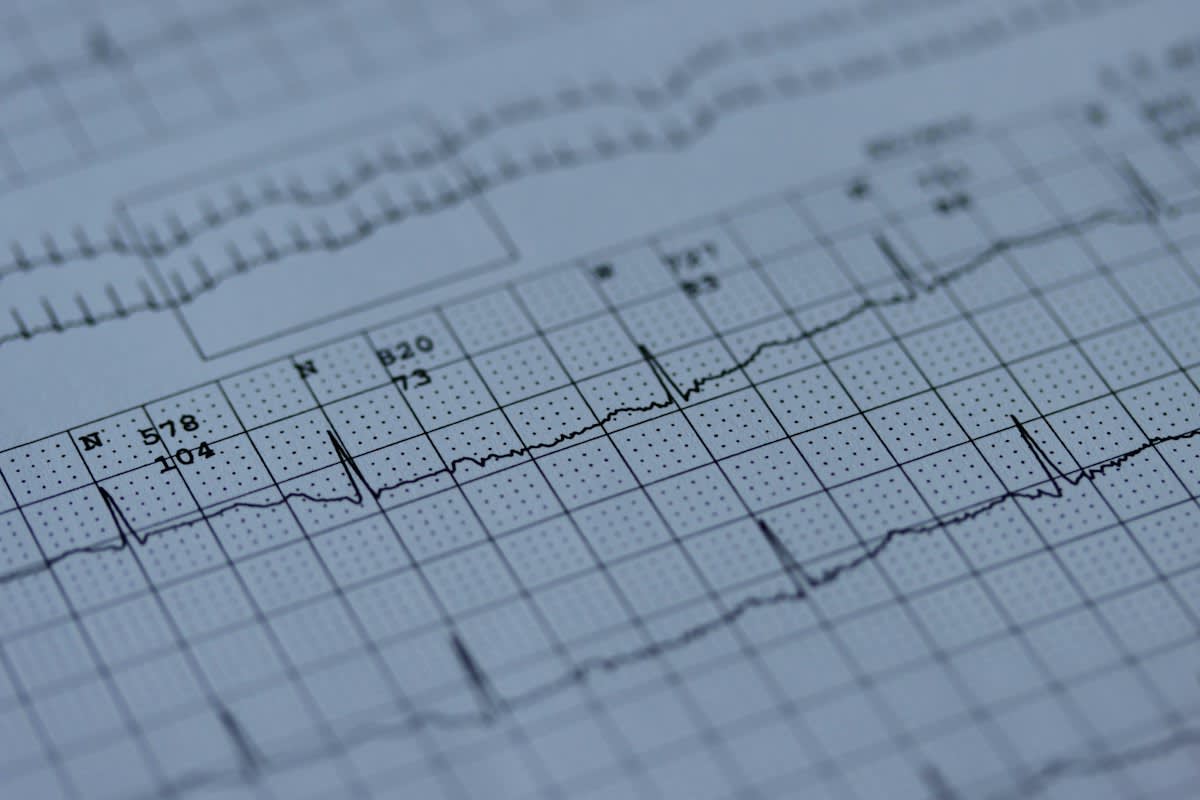
The monitor in a high-end clinic in Seoul shows a perfect rhythm. Sixty beats per minute. No deviation. No flicker. To a consumer with a $400 smartwatch, this looks like peak performance. To the attending cardiologist, it looks like a crash. The heart is behaving like a metronome, not a biological organ. When the heart stops reacting to the micro-shifts in breath and blood pressure, the system is no longer adapting. It is merely enduring.
Biological resilience is found in the chaos. Healthy hearts exhibit high Heart Rate Variability (HRV), meaning the time between beats fluctuates constantly. This volatility is the signature of a functioning Autonomic Nervous System (ANS). When that variability vanishes, you aren't seeing stability. You are seeing systemic rigidity. The body has lost its ability to pivot between the fight-or-flight response and the rest-and-digest state (Source: Journal of Autonomic Research, 2021).
The Boardroom Lie
Industry whispers from the wearable hubs in San Francisco and Shenzhen reveal a calculated simplification. Companies don't sell you the raw R-R interval data because it is terrifying to the average user. Instead, they wrap it in a Readiness Score. They tell you a stable heart rate means you are recovered. In reality, they are masking a dangerous trend toward autonomic failure to keep the user experience frictionless. A user who feels 'stable' keeps buying the subscription.
The market for these devices is exploding, with valuations projected to reach $12 billion by 2026 (Source: Grand View Research, 2023). This growth depends on a narrative of optimization. But optimization in a biological system isn't about a steady state. It is about the capacity for rapid change. By framing stability as the goal, the industry is training millions of people to ignore the primary warning sign of cardiovascular collapse.
Why the silence? Because acknowledging that a 'perfect' heart rate is a red flag would require a total overhaul of the consumer health interface. It would move the product from a wellness toy to a medical diagnostic tool. That shift brings the FDA and other regulators into the room. It brings liability. It brings the end of the frictionless growth model.
"The obsession with a low, stable resting heart rate is a dangerous misunderstanding of physiology. We are seeing patients who think they are in peak condition because their heart rate is a flat 50 bpm, while their vagal tone is actually cratering. They aren't relaxed; they are frozen."— Dr. Aris Thanos, Lead Researcher at the Cardiovascular Institute of Athens
The Mechanics of Rigidity
The fight happens in the vagus nerve. This nerve is the highway of the parasympathetic nervous system, telling the heart to slow down after a stressor. In a healthy system, the vagus nerve acts like a brake that is constantly being tapped and released. This creates the 'jitter' in the heart rate. When the system fails, the brake either locks or fails entirely. The result is a heart rate that no longer responds to the environment (Source: JAMA, 2018).
This rigidity is a precursor to major events. Data shows a 30% increase in all-cause mortality risk for individuals exhibiting chronic low HRV (Source: The Lancet, 2015). The heart becomes an island, disconnected from the brain's regulatory signals. It continues to beat, but it no longer listens. This is the systemic failure that the wellness industry calls stability.
| Metric | High Variability (Resilient) | Low Variability (Systemic Failure) |
|---|---|---|
| R-R Interval | Dynamic and Adaptive | Fixed and Rhythmic |
| ANS State | Balanced Parasympathetic | Sympathetic Dominance/Exhaustion |
| Clinical Outcome | Low Mortality Risk | High Cardiovascular Event Risk |
| Environmental Response | Rapid Adaptation | Delayed or Absent Response |
Consider the impact of chronic inflammation. There is a correlation coefficient of 0.7 between HRV rigidity and systemic inflammatory markers like C-Reactive Protein (Source: Journal of Autonomic Research, 2021). The body is under such intense internal stress that it can no longer afford the luxury of variability. It enters a survival mode where the only goal is to keep the pump moving, regardless of the cost to the rest of the organs.
The Global Failure Point
In Singapore, biotech labs are beginning to pivot toward 'dynamic biomarkers'. They've realized that a single snapshot of health is useless. The focus is shifting toward how a system recovers from a perturbation. If you stress a patient and their heart rate remains stable, they are in trouble. The lack of a spike and subsequent dip indicates a nervous system that has lost its elasticity.
Similar patterns emerge from clinical trials in Mumbai, where researchers are tracking the long-term effects of urban environmental stress. They found that individuals in high-pollution zones exhibited a distinct 'flattening' of their heart rate variability long before traditional blood pressure markers signaled hypertension (Source: Mumbai Cardiac Study, 2019). The systemic failure starts at the regulatory level, not the mechanical level.

Ground-Level Friction
The real war isn't in the labs; it's in the legal departments. There is a vicious fight over the classification of wearables as 'wellness tools' versus 'medical devices'. If a company admits that a stable heart rate can signal systemic failure, they are effectively providing a diagnostic service. This triggers a cascade of regulatory requirements that would kill their profit margins. The friction is between the software engineer who wants a clean UI and the clinician who wants an accurate warning.
I have seen prototypes of 'True-HRV' monitors that were scrapped because the alerts were too frequent. They flagged too many 'healthy' people as being in systemic failure. The executives didn't want a product that told their users they were dying while they were sitting on a couch. They chose to tweak the algorithm to widen the 'normal' range, effectively silencing the alarm to protect the brand image.
This is the ugly reality of the health-tech gold rush. We are building a world of high-resolution data with low-resolution interpretation. We have the sensors to detect the collapse of the autonomic nervous system in real-time, but we lack the institutional will to tell the user the truth. The result is a population that feels optimized while their internal resilience is eroding.
Fact-Check & Accuracy Note
Settled claims: High HRV is strongly correlated with cardiovascular health and lower mortality. Low HRV is a recognized marker for autonomic dysfunction. Debated claims: The exact threshold where 'stability' becomes 'failure' varies by age and fitness level; consumer-grade wearables often lack the sampling frequency to accurately measure true R-R intervals.
Editorial Note
This analysis is based on the tension between clinical cardiology and consumer health marketing. The goal is to highlight the systemic risk of ignoring autonomic rigidity in favor of simplified health metrics.