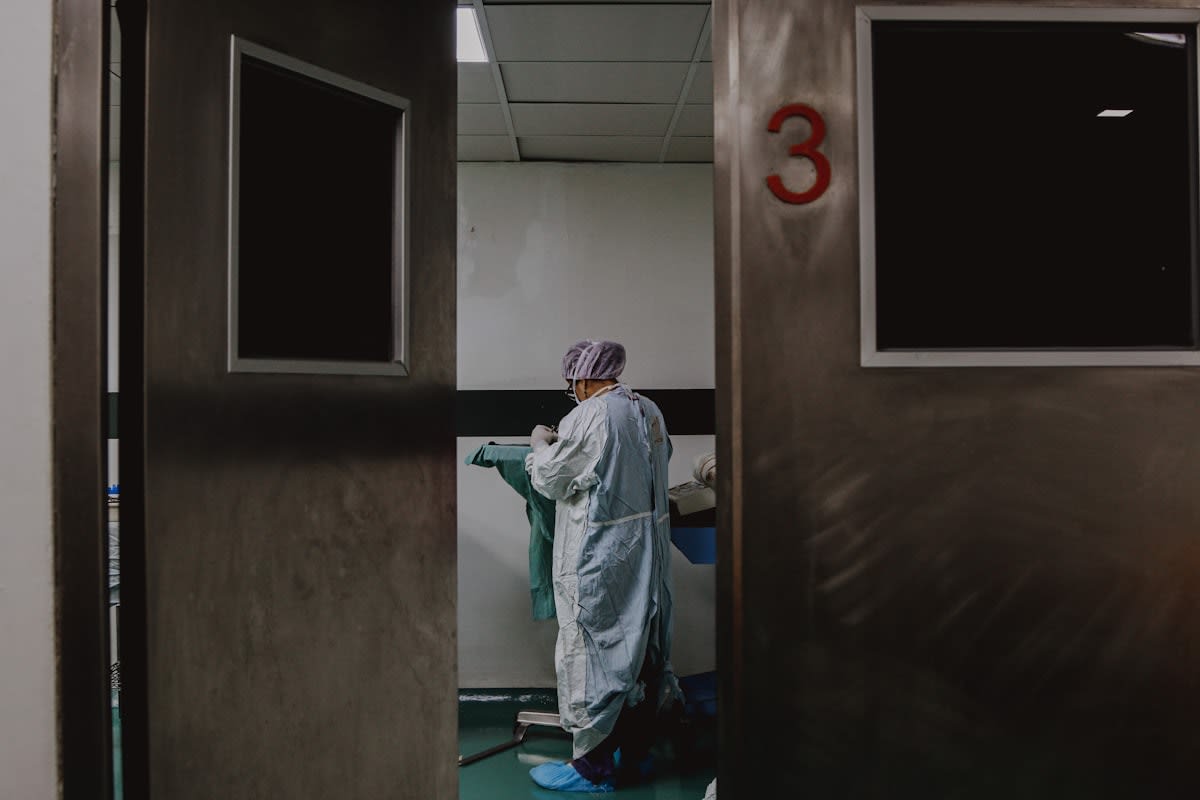
The current global medicine supply chain operates on a gamble. Most biologics are produced in massive stainless-steel vats using batch processing, where a single contaminated valve or a slight temperature fluctuation can scrap an entire production run worth millions of dollars. When a batch fails in a centralized facility, the result is not just a financial loss for the manufacturer, but a shortage that ripples across hospitals in Berlin, Sao Paulo, and Singapore. Why do we trust the delivery of life-critical proteins to a system that functions like a series of high-stakes lotteries?
This fragility stems from the obsession with scale. For decades, the industry believed that the only way to lower costs was to build larger tanks, effectively betting that volume would offset inefficiency. This centralization created a brittle architecture where a localized power outage or a raw material delay in one region could trigger a global shortage. The industry has essentially built a skyscraper of production on a foundation of sand, ignoring the inherent risks of concentrated manufacturing.
The Logic of the Steady State
Continuous bioprocessing replaces the stop-and-start nature of batch work with a seamless flow. In this model, nutrients are pumped into the bioreactor and products are harvested simultaneously, maintaining a steady state of production for weeks or months. By integrating perfusion technology, cells remain in a high-density growth phase, continuously secreting the desired protein. This removes the downtime associated with cleaning, sterilizing, and recharging tanks, turning a sporadic process into a reliable utility.
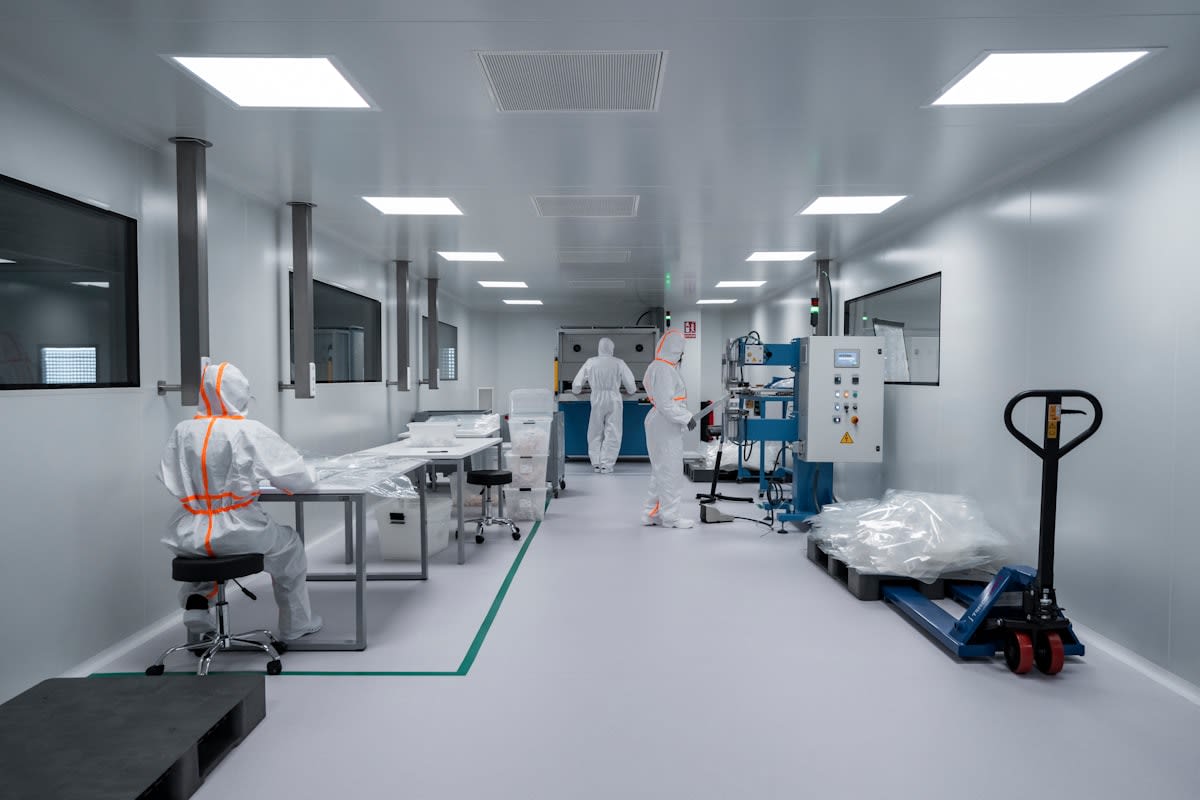
The technical advantage extends beyond the bioreactor to the purification stage. Continuous chromatography allows for the constant removal of impurities, meaning the product is purified as it is created. This prevents the protein from degrading in a holding tank while waiting for the next step of the process. When the production line never stops, the window for contamination shrinks, and the consistency of the final molecule improves significantly.
| Metric | Traditional Batch | Continuous Bioprocessing |
|---|---|---|
| Facility Footprint | Large (10,000+ sq ft) | Compact (1,000 - 3,000 sq ft) |
| CAPEX Investment | High (Heavy Stainless Steel) | Lower (Single-use/Modular) |
| Risk Profile | Binary (Pass/Fail Batch) | Incremental (Real-time Adjustment) |
| Volumetric Productivity | Baseline (1x) | 5x to 10x Increase |
| Waste Generation | High (Cleaning/Validation) | Reduced (Steady State Flow) |
The numbers suggest a radical departure from the status quo. By reducing the facility footprint by up to 90%, companies can move away from the 'mega-plant' philosophy. Instead of one giant factory in a single jurisdiction, they can deploy smaller, modular units across different geographies. This decentralization is the only viable hedge against the geopolitical instability and logistics failures that have plagued the last few years.
Consider the implications for a region like Brazil or the emerging biotech hubs in Rwanda. Currently, these areas rely on imports that are subject to cold-chain failures and customs delays. A continuous, modular facility could be installed locally, producing biologics on-demand without the need for massive infrastructure. This transforms medicine from a shipped commodity into a locally produced service.
"The goal is not to build a better factory, but to eliminate the concept of the factory as a static destination. Medicine should flow like water, not arrive in shipments."— Industry Analyst, Bio-Systems Strategy
Does the industry have the courage to abandon the sunk cost of its stainless-steel empires? Many firms are hesitant because they have already invested billions into existing batch infrastructure. However, the operational expenditure of maintaining these aging giants is becoming unsustainable. The shift toward single-use technologies and continuous flow is not just a technical upgrade; it is an economic necessity to avoid bankruptcy by inefficiency.

The Regulatory Friction
If the benefits are so clear, why is the transition so slow? The answer lies in the regulatory frameworks of the FDA and EMA, which were written for the batch era. In a batch system, a 'lot' is a clearly defined physical entity. In a continuous system, the definition of a 'lot' becomes temporal—a specific window of time in the flow. Regulators are now being forced to redefine quality control, moving from end-product testing to Real-Time Release Testing (RTRT).
RTRT utilizes advanced sensors and AI to monitor the product stream every second. If a deviation occurs, the system can automatically divert a small fraction of the flow without compromising the entire run. This level of precision makes the old method of testing a sample from a 2,000-liter tank look like guesswork. We are moving from a system of retroactive inspection to one of proactive assurance.
The transition requires a cultural shift within the regulatory agencies themselves. They must move away from the comfort of the 'frozen process' and embrace a dynamic model where process parameters are adjusted in real-time to maintain quality. This is the only way to achieve a truly resilient supply chain that can react to demand spikes in days rather than months.
The economic incentive is further amplified by the reduction in CAPEX, often cited between 40% and 50% for new continuous facilities. This lowers the barrier to entry for smaller biotech firms, fostering a more competitive environment. When production is no longer gated by the ability to build a $500 million plant, innovation can move from the lab to the patient at a fraction of the current cost.
Ultimately, the solution to medicine shortages is not more factories, but smarter flow. By embracing the steady state, the pharmaceutical industry can stop treating drug production as a series of risky events and start treating it as a continuous utility. The era of the pharmacy lottery must end, replaced by a system where the availability of a life-saving drug is as guaranteed as the electricity in the wall.