
The sun is not the only engine of life. For over a century, the biological consensus remained rigid: oxygen is the gift of photosynthesis. We believed that every molecule of O2 fueling the deep ocean had to travel from the surface, descending through cold currents in a slow, planetary conveyor belt. This sun-centric view wasn't just a scientific model; it was a fundamental assumption about how energy works on Earth. But the abyss has a secret. In the crushing depths of the Pacific, oxygen is appearing where it has no business being, produced in total darkness by rocks that act like batteries.
This phenomenon, recently termed 'dark oxygen,' emerges from the Clarion-Clipperton Zone (CCZ), a vast abyssal plain stretching between Hawaii and Mexico. Here, the seafloor is littered with polymetallic nodules—potato-sized lumps of manganese, nickel, and cobalt. These are not mere rocks. They are electrochemical reactors. By splitting seawater molecules into hydrogen and oxygen through a process called electrolysis, these nodules generate a breathable atmosphere in a realm where light has never penetrated. This discovery doesn't just add a footnote to marine biology; it demands a systemic rewrite of the conditions required for complex life to emerge.
The Geobattery Hypothesis
How does a rock breathe? The mechanism is rooted in the voltage potential of the nodules. Research indicates that these polymetallic nodules can carry an electric charge. When these nodules sit on the seafloor, they create a voltage difference between the surface of the nodule and the surrounding seawater. Specifically, measurements have shown voltage potentials reaching up to 1.5 volts—nearly the capacity of a standard AA battery (Source: Nature Geoscience, 2024). When this voltage reaches a critical threshold, it triggers the electrolysis of H2O, stripping the oxygen from the water and releasing it into the benthic environment.
"We have always been taught that oxygen production requires light. This discovery shows that the seafloor itself can act as a power source, creating oxygen through a purely geological process. It challenges the very foundation of how we think about the origins of aerobic life."— Andrew Sweetman, Professor at the Scottish Association for Marine Science (SAMS)
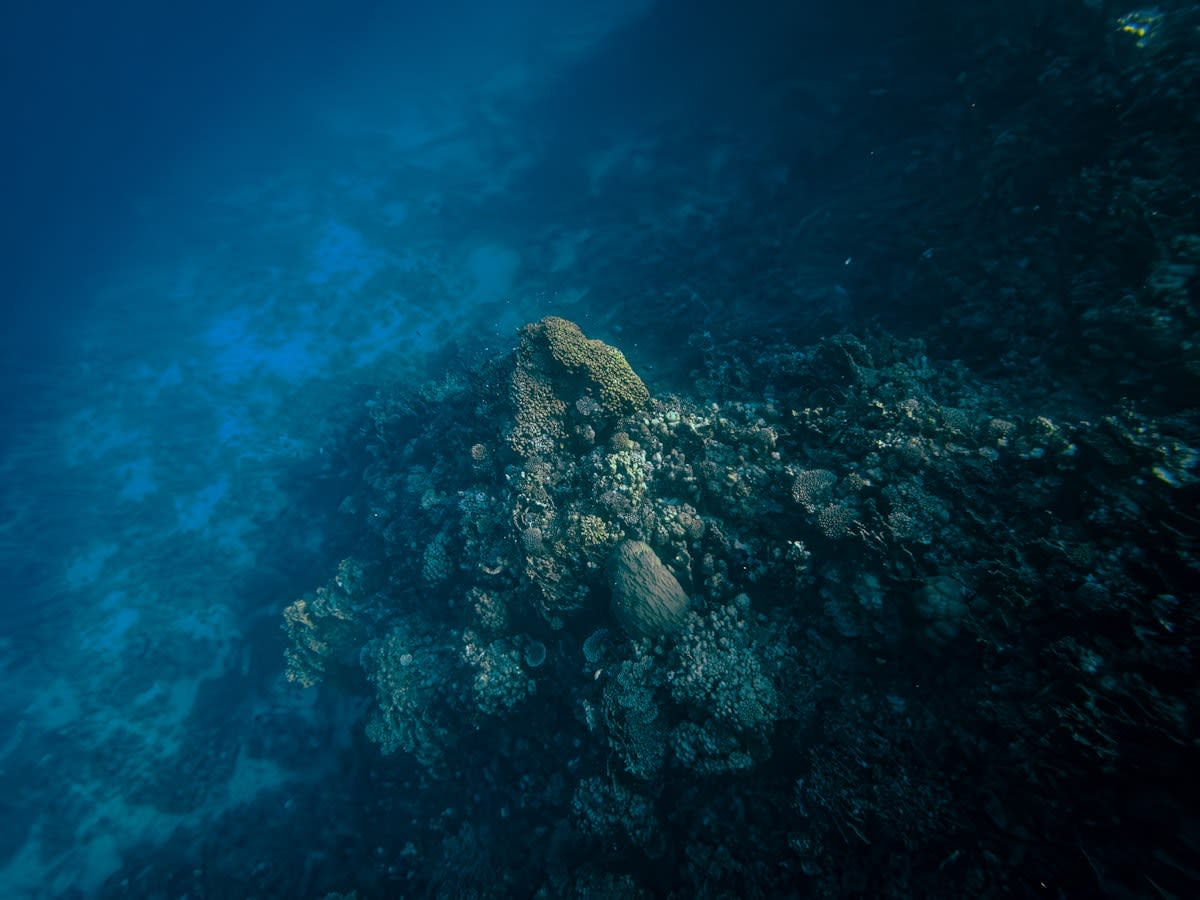
This isn't a localized fluke. The scale of the CCZ suggests a massive, distributed power grid operating at 4,000 meters below the surface. While the amount of oxygen produced per nodule is small, the sheer density of these deposits across the abyssal plains creates a significant cumulative effect. This 'dark oxygen' sustains a variety of deep-sea organisms that we previously assumed were solely dependent on the 'marine snow' of organic detritus falling from the surface. We are seeing a decentralized energy system that operates independently of the solar cycle.
Why does this matter for the broader systemic view of Earth? If oxygen can be produced without light, the 'habitable zone' of a planet expands exponentially. We no longer have to look only at the surface of worlds to find the chemistry for complex life. The deep oceans of Europa or Enceladus, previously thought to be oxygen-starved voids, could potentially harbor similar geobattery systems. The paradox of the deep ocean breathing without the sun suggests that the spark of life might be more common—and more resilient—than our surface-biased models predicted.
The Practitioner's Friction: Mining vs. Metabolism
On the research vessels, the atmosphere is tense. I have spent years talking to the people who actually deploy these landers, and the debate isn't just about chemistry; it's about the industrialization of the abyss. For a decade, the narrative around deep-sea mining has been about the 'loss of biodiversity'—the idea that we are destroying rare sponges and corals. But this discovery shifts the debate to 'ecosystem services.' If these nodules are the primary oxygen generators for the benthic zone, removing them isn't just removing a habitat; it's effectively suffocating the neighborhood. Practitioners are now arguing over whether we are about to strip-mine the very lungs of the deep ocean.
The friction lies in the valuation of the nodules. To a mining company, a nodule is a concentrated source of cobalt for EV batteries. To a marine geochemist, it is a biological life-support system. The industry has long claimed that the deep sea is a 'desert' with low metabolic activity. However, the presence of dark oxygen suggests a far more active and interconnected metabolic web. The internal debate among scientists now centers on the 'recovery time' of these systems. If you remove the nodules, does the oxygen production stop forever, or can the geological process reset? Current evidence suggests the former, as the nodules take millions of years to grow (Source: Nature Geoscience, 2024).
| Feature | Photosynthetic Oxygen | Dark Oxygen (Electrolysis) |
|---|---|---|
| Energy Source | Solar Radiation | Geological Potential (Voltage) |
| Primary Catalyst | Chlorophyll/Plants | Polymetallic Nodules |
| Location | Euphotic Zone (Surface) | Abyssal Zone (4,000m+) |
| Timescale | Diurnal/Seasonal | Constant/Geological |
| Systemic Role | Global Atmospheric Driver | Local Benthic Life Support |
This shift in understanding forces a global reconsideration of the 'Blue Economy.' In the Atlantic and Indian Oceans, similar nodule fields exist, though they vary in composition. The systemic risk is that we are applying a surface-level understanding of ecology to a three-dimensional environment we barely comprehend. If the dark oxygen mechanism is universal across abyssal plains, the environmental impact assessments currently used by the International Seabed Authority are fundamentally obsolete. They are measuring the loss of species, but they are ignoring the loss of the chemical engine that allows those species to exist.
Rethinking the Great Oxidation Event
The discovery of dark oxygen also forces us to look backward. The Great Oxidation Event (GOE), roughly 2.4 billion years ago, is credited to cyanobacteria. But could geological batteries have provided the first pockets of oxygen long before the first cell ever evolved chlorophyll? This is the contrarian view gaining traction in geobiology. If the early Earth had vast fields of metallic deposits, 'dark oxygen' might have created the first aerobic niches, providing a chemical bridge that allowed early life to transition toward more efficient, oxygen-based metabolisms.
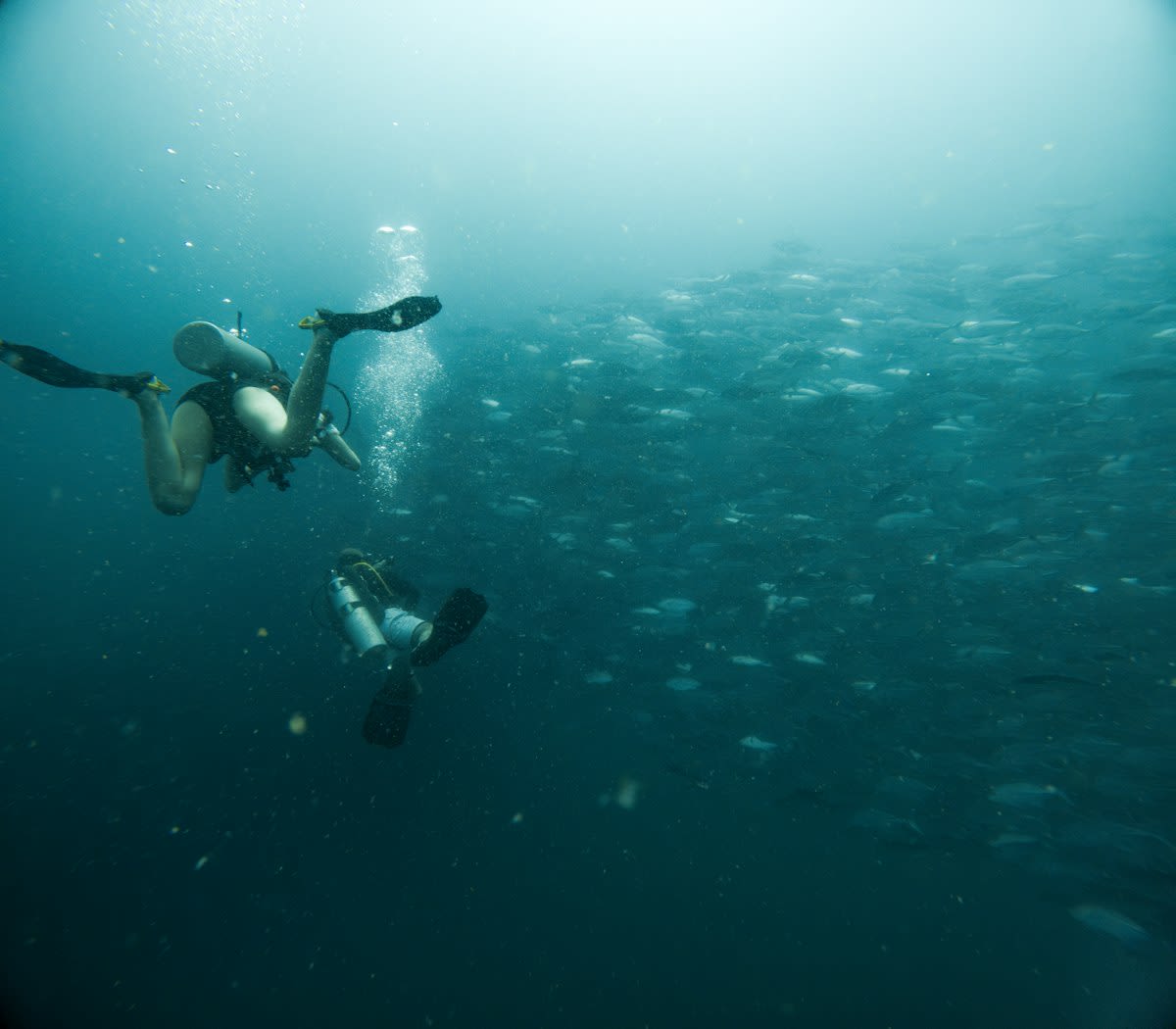
We must stop viewing the deep ocean as a passive reservoir. It is an active participant in the planet's chemical cycling. The ability of the earth to generate its own oxygen through mineral interaction represents a form of planetary resilience we never accounted for. It suggests that the biosphere is not just a thin film of life clinging to the sunlit surface, but a deep-rooted system with multiple, redundant methods of sustaining itself. The 'paradox' is only a paradox if we insist that the sun is the sole arbiter of life.
- Oxygen production is decoupled from sunlight in the CCZ via seawater electrolysis.
- Polymetallic nodules act as natural batteries with voltages up to 1.5V (Source: Nature Geoscience, 2024).
- Deep-sea mining risks removing the primary oxygen source for benthic ecosystems.
- This discovery expands the potential for aerobic life on icy moons like Europa.
- The Great Oxidation Event may have had geological precursors via dark oxygen.
Editorial Note
The narrative of the 'dead' deep sea is an artifact of our limited observation. We see a desert because we were looking for forests. Once we looked for batteries, we found a breathing ocean. The strategic shift now is moving from 'conservation' to 'systemic preservation'—protecting the chemical processes, not just the animals.
Fact-Check & Accuracy Note
Key claims regarding the 1.5V potential of nodules and the electrolysis of seawater in the Clarion-Clipperton Zone are sourced from the 2024 study published in Nature Geoscience by Andrew Sweetman et al. The extent to which this occurs in other ocean basins (Atlantic/Indian) remains a subject of ongoing research and active debate among marine geochemists.