
The Photosynthetic Fallacy
For decades, the biological consensus was absolute: oxygen is the gift of the sun. We taught that the Great Oxidation Event was the singular pivot point in Earth's history, where cyanobacteria began splitting water molecules via photosynthesis, effectively terraforming the planet for complex life. This narrative created a convenient, linear progression of evolution. It positioned the deep ocean as a passive recipient of oxygen—a cold, dark sink where life clung to the leftovers drifting down from the surface. We viewed the abyss as a place of consumption, never production.
That linearity collapsed in the Clarion-Clipperton Zone (CCZ), a vast abyssal plain stretching across the Pacific. Researchers discovered that oxygen levels were not dropping in the deep-sea sediments as expected, but were actually increasing. This is an impossibility according to standard textbooks. There is no light at 4,000 meters. There are no plants. Yet, the oxygen was there, pulsing from the seabed. This is not a localized anomaly; it is a fundamental challenge to the monopoly photosynthesis holds over the production of the most critical element for aerobic respiration.
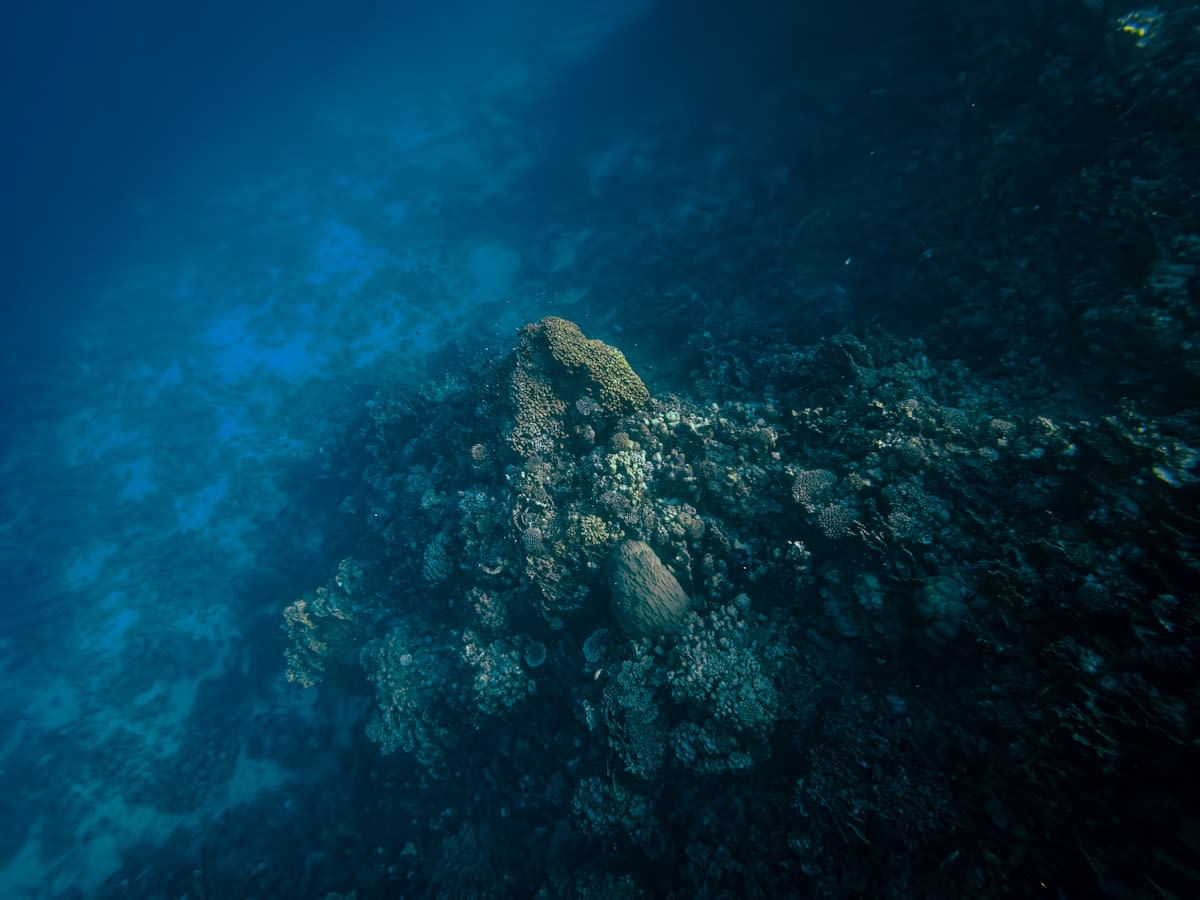
Why does this matter to anyone not wearing a scuba suit? Because it suggests that the prerequisite for complex life—oxygen—can be generated geochemically. We are no longer looking at a world where biology creates the environment, but one where the environment can spontaneously generate the chemicals necessary for biology to ignite. This shifts the origin of life from a lucky biological fluke in a sunlit tide pool to a systemic inevitability driven by planetary chemistry.
The Abyss as a Battery
The mechanism behind this 'dark oxygen' is as elegant as it is disruptive. The culprits are polymetallic nodules—potato-sized lumps of manganese, iron, cobalt, and nickel. These nodules aren't just rocks; they are natural geobatteries. By measuring the electrical potential on the surface of these nodules, scientists found voltages as high as 0.95 volts. While a single nodule cannot power a city, the cumulative effect across the seabed is staggering. When these voltages reach a certain threshold, they trigger seawater electrolysis, splitting H2O into hydrogen and oxygen.
"We have long assumed that oxygen was only produced by organisms. The realization that the seabed itself is an electrochemical engine changes the very definition of a habitable zone."— Strategic Analysis of Deep-Sea Geochemistry
This process operates independently of any organic catalyst. It is a pure physical reaction driven by the redox gradients between the nodule's metallic composition and the surrounding seawater. This means that as long as these minerals exist and the water is present, oxygen will be produced. The abyss is not just breathing; it is exhaling a chemical fuel that supports an entire ecosystem of aerobic microbes and fauna in a region we previously thought was oxygen-starved.
| Feature | Photosynthetic Oxygen | Dark Oxygen (Electrolytic) |
|---|---|---|
| Energy Source | Solar Radiation | Electrochemical Potential |
| Biological Driver | Cyanobacteria/Plants | Polymetallic Nodules |
| Environmental Limit | Photic Zone (Surface) | Abyssal Plain (Deep) |
| Mechanism | Water Splitting via Chlorophyll | Seawater Electrolysis |
| Global Distribution | Continental Shelves/Oceans | Mineral-Rich Benthic Zones |
The strategic implication here is a total re-evaluation of the 'habitable zone.' In astrobiology, we usually look for stars that provide the right temperature for liquid water and the potential for photosynthesis. But if geobatteries can generate oxygen, the icy moons of Jupiter and Saturn—Europa and Enceladus—suddenly become primary candidates for complex life. Their subsurface oceans, crushed under miles of ice, are devoid of sunlight but likely rich in metallic cores and hydrothermal activity. The 'dark oxygen' model provides a viable pathway for aerobic life to exist in the complete absence of a star.
The Industrial Collision Course
This discovery arrives at a moment of extreme geopolitical tension. The very nodules producing this oxygen are the primary targets of the deep-sea mining industry. Cobalt, nickel, and manganese are critical for the global transition to electric vehicles and renewable energy storage. Companies and nations are currently lobbying the International Seabed Authority (ISA) for licenses to strip-mine the CCZ. For years, the environmental argument against mining focused on habitat destruction and sediment plumes. Now, the stakes have shifted.
If these nodules are the primary oxygen source for the deep ocean, removing them isn't just removing a substrate for sponges and corals; it is removing the lungs of the abyss. We are talking about the potential collapse of an entire aerobic ecosystem by extracting the very batteries that power it. The economic calculus of 'green' minerals now carries a paradoxical cost: to save the atmosphere via EVs, we might suffocate the deep ocean.
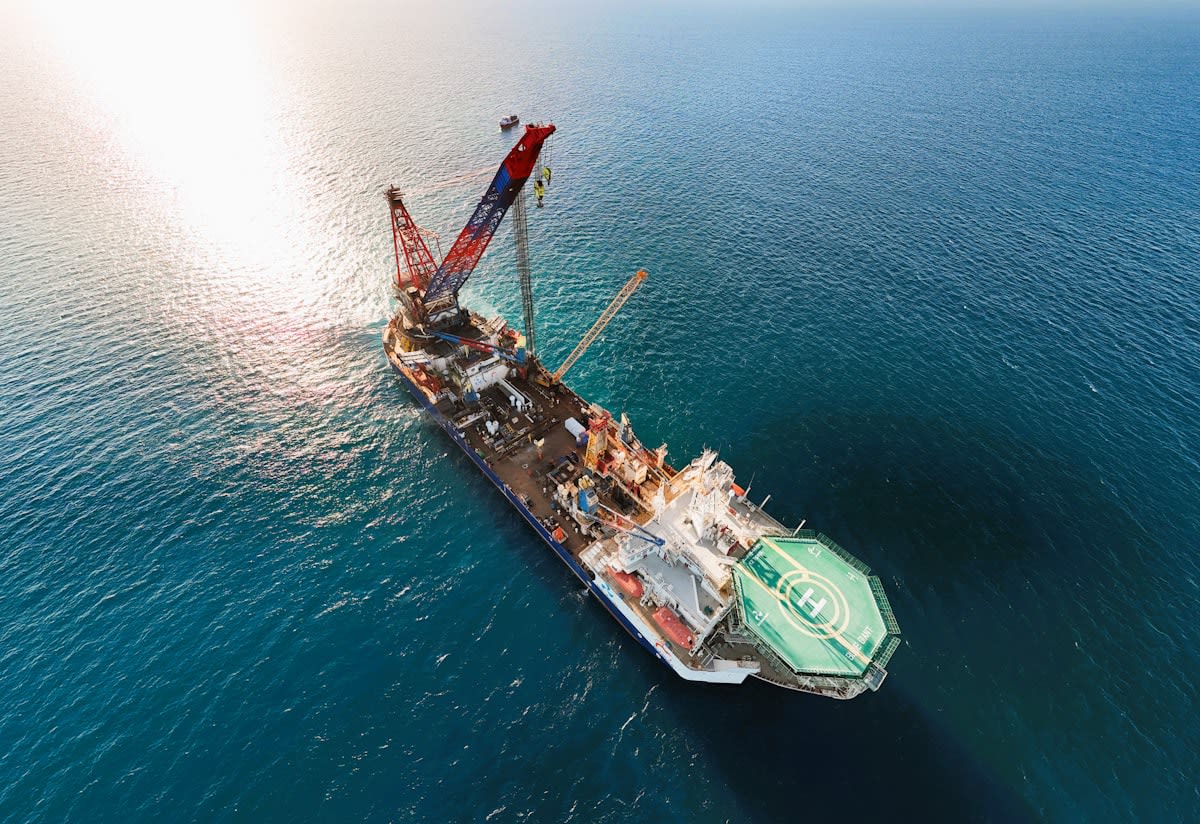
The global community now faces a systemic risk. We are attempting to manage a resource we do not fully understand. The discovery of dark oxygen reveals a massive gap in our environmental impact assessments. Most current models assume the deep sea is a slow-moving, low-energy environment. They do not account for active electrochemical production. This gap turns every mining lease into a high-stakes gamble with a biological system that may be far more fragile—and far more important—than previously mapped.
Systemic Insight
The 'Geobattery' effect proves that the Earth's crust is not a dead shell, but an active participant in the chemistry of life. This blurs the line between geology and biology.
Rather than viewing this as a crisis, we should see it as an opportunity for a new era of planetary stewardship. The existence of dark oxygen invites us to move beyond the 'extraction' mindset and toward a 'functional' mindset. Instead of asking how much cobalt we can pull from the CCZ, we should be asking how the geochemical energy of the seafloor stabilizes the global ocean. The resilience of our planet depends on these invisible, inorganic processes.
Ultimately, the discovery of dark oxygen is a humbling reminder of our intellectual arrogance. We believed we had solved the puzzle of oxygen, only to find a second, hidden engine running in the dark. This shift doesn't just rewrite a few chapters of a biology textbook; it demands a new framework for how we define life, habitability, and the value of the untouched wild. The abyss is not a void; it is a powerhouse.