
Prerequisites for Regional CRISPR Hubs
Establishing a decentralized CRISPR node is not a matter of simply shipping equipment to a regional clinic. It requires a facility that meets ISO 14644-1 Class 5 cleanroom standards to prevent environmental contamination of cellular products. Without a rigorous Good Manufacturing Practice (GMP) environment, the risk of introducing mycoplasma or other endotoxins into the patient sample becomes an unacceptable liability. Why would a clinician risk a systemic inflammatory response by cutting corners on air filtration? The cost of setting up these certified spaces often exceeds 5 million USD, but this capital expenditure is the only way to ensure the sterility of the ex vivo editing process.
Cold-chain logistics represent the second non-negotiable requirement. Cas9 proteins and guide RNA (gRNA) are notoriously unstable at room temperature and require a precise thermal loop to maintain enzymatic activity. Hubs must maintain a tiered storage system, utilizing -80C ultra-low temperature freezers for short-term storage and liquid nitrogen dewars at -196C for long-term preservation of edited cell lines. In regions like Nairobi, where power grids can be unstable, this requires industrial-grade backup generators and continuous thermal monitoring systems. A single temperature excursion of more than five degrees can degrade the gRNA, rendering the entire batch useless and delaying patient treatment by weeks.
- GMP-certified ISO Class 5 cleanrooms with HEPA filtration
- Electroporation systems (e.g., Lonza Nucleofector) for high-efficiency delivery
- Next-Generation Sequencing (NGS) platforms for off-target analysis
- Liquid nitrogen cryo-storage tanks with remote telemetry
- Automated cell culture incubators with CO2 and O2 regulation
The Execution Workflow
- Patient Cell Harvest: Extract autologous hematopoietic stem cells or T-cells using leukapheresis, ensuring a minimum cell count of 10^8 viable cells.
- gRNA-Cas9 Complexing: Combine high-purity gRNA (minimum 98% purity) with Cas9 protein in a specialized buffer to form Ribonucleoprotein (RNP) complexes, reducing the risk of prolonged Cas9 expression.
- Transfection via Electroporation: Apply precise electrical pulses to the cell membrane to allow RNP entry, optimizing voltage to maintain cell viability above 70%.
- Post-Edit Expansion: Culture the edited cells in a bioreactor using growth factors to reach the required therapeutic dose while monitoring for phenotypic stability.
- Quality Control and Re-infusion: Perform NGS to verify the target edit and ensure off-target mutations are below a 0.1% threshold before re-introducing cells to the patient.
The chemistry of the RNP complex is where most decentralized attempts fail. Using plasmid-based delivery often leads to prolonged Cas9 presence in the cell, which significantly increases the probability of off-target cleavage. By utilizing pre-assembled RNP complexes, the enzyme is degraded rapidly after the initial edit, narrowing the window for error. This requires the hub to source gRNAs with absolute sequence precision. A single nucleotide mismatch in the guide sequence can lead to a complete loss of efficacy or, worse, the editing of a tumor-suppressor gene. Precision is not an aspiration here; it is a biological requirement.
Electroporation physics must be tuned to the specific cell type and the local environmental conditions. The voltage and pulse duration must be calibrated to breach the cell membrane without inducing apoptosis. If the voltage is too low, the RNP complex remains extracellular; if too high, the cell dies. In hubs located in high-humidity environments, such as Singapore, the calibration of electrical equipment must account for atmospheric interference to ensure consistency across batches. This level of detail separates a successful clinical outcome from a failed trial.
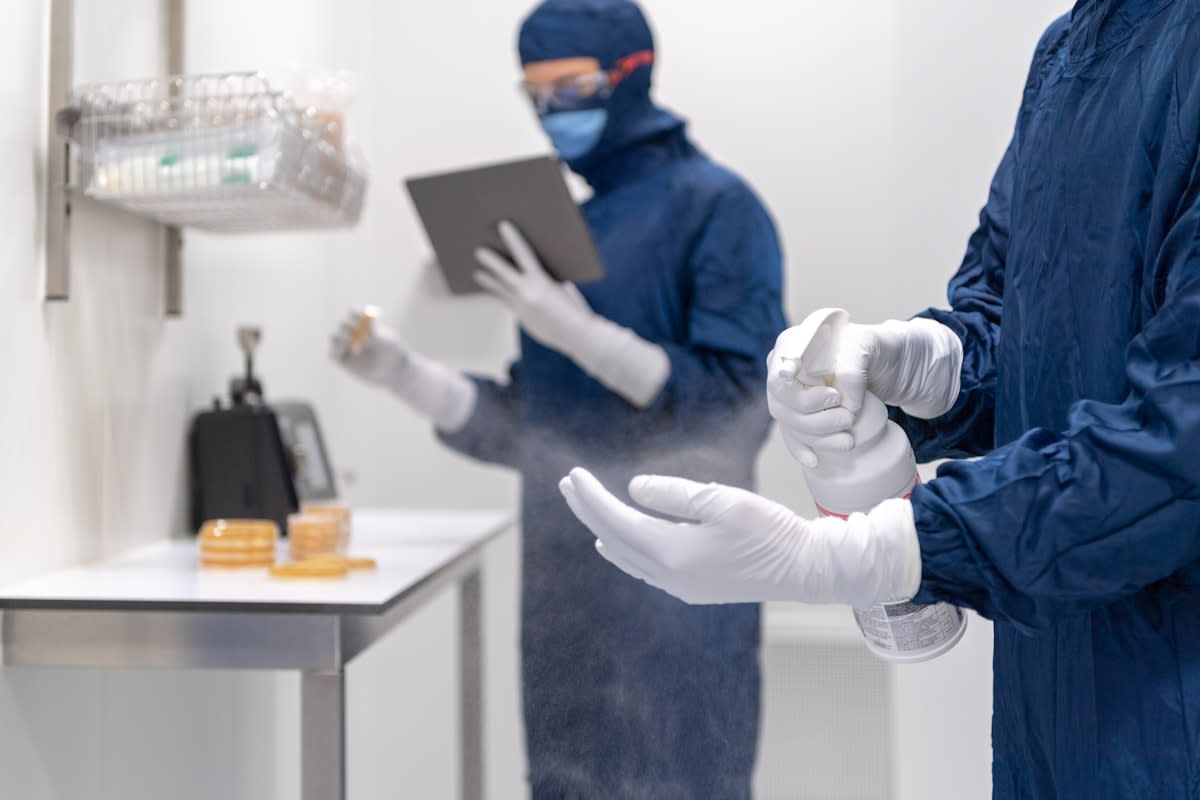
"The danger of decentralization is not the technology itself, but the erosion of protocol. When you move a process from a single center of excellence to ten regional hubs, you introduce ten opportunities for human error."— Dr. Elena Vance, Genomic Quality Lead
Quality control cannot be an afterthought or a periodic check. Every batch must undergo deep sequencing to map the genomic landscape of the edited cells. This means the hub must have an integrated NGS pipeline capable of detecting low-frequency indels. If a hub in Sao Paulo discovers an off-target mutation at a rate of 0.5%, the entire batch must be discarded regardless of the cost. This ruthless adherence to data-driven safety prevents the decentralized model from becoming a liability to the broader field of genomic medicine.
| Metric | Centralized Model | Decentralized Hub |
|---|---|---|
| Transport Risk | High (Cryo-shipping) | Low (Local Processing) |
| CAPEX per Site | Low (Single Site) | High (Multi-site GMP) |
| Turnaround Time | Slow (Shipping/Logistics) | Fast (Point-of-Care) |
| Quality Variance | Minimal | Moderate to High |
Looking at the German healthcare landscape, the integration of regional hubs allows for faster patient turnaround, reducing the time between harvest and infusion from weeks to days. This is particularly vital for patients with aggressive hematologic malignancies who cannot afford a three-week wait for cells to be shipped to a central facility. However, the German model relies on a highly standardized regulatory framework that ensures every hub operates identically. Without this overarching governance, decentralization leads to fragmented care.
In contrast, expanding these protocols into emerging markets requires a different strategy. In Kenya, the focus must be on the robustness of the energy infrastructure before the first electroporator is even plugged in. The implementation of solar-backed cryogenic storage has proven a viable path forward, ensuring that the cold chain remains intact during grid failures. The goal is to create a resilient system that does not rely on the perfect conditions of a Western academic center but achieves the same clinical outcomes through engineering redundancy.
Common Pitfalls
- Protocol Erosion: Small deviations in incubation times or reagent concentrations that accumulate over multiple batches.
- Regulatory Drift: Failing to update local hub protocols to match the latest global safety guidelines issued by the FDA or EMA.
- Reagent Degradation: Using gRNA that has undergone multiple freeze-thaw cycles, reducing editing efficiency.
- Over-Reliance on Automation: Trusting automated cell counters without performing manual verification on a subset of samples.
Regulatory drift is perhaps the most insidious risk in a decentralized network. As new data emerges regarding off-target effects or better delivery vehicles, the central authority must push updates to all hubs simultaneously. If a hub continues to use an outdated gRNA sequence because it was cheaper to procure locally, they are no longer practicing the same medicine as the central site. This creates a legal and ethical nightmare where the quality of a genomic cure depends on the geography of the clinic.
Finally, the human element remains the weakest link. The technical skill required to handle CRISPR components is high, and the margin for error is non-existent. Training programs must move beyond simple certifications to include rigorous, hands-on competency testing. A technician who cannot consistently achieve a 70% viability rate during electroporation should not be operating in a clinical hub. The transition to decentralized medicine is a transition toward a world where the lab technician is as critical to the patient's survival as the surgeon.