
The Trust Revolution: Patients Step Up
We are witnessing a structural collapse of the traditional patient-physician hierarchy. The ZS Impact Institute just dropped its 2026 Future of Health Report, and the numbers are staggering: roughly 90% of people using AI and digital interfaces trust the health insights they receive nearly as much as their own doctors. This is not a niche trend in Silicon Valley; it is a global realignment spanning the U.S., Germany, and China. Patients are no longer passive recipients of care; they are becoming the primary drivers of their own diagnostic journeys.
"Bridging the diagnostic delay corridor represents a staggering financial and physical opportunity."— ZS Impact Institute
The Financial Stakes of Early Detection (US Market)
Executive Insight
+18.4%
YTD Growth
Why does this matter right now? Because the cost of waiting is bankrupting systems. ZS estimates that shifting just 10% to 15% of late-stage diagnoses to earlier detection windows could unlock nearly $500 billion in annual direct medical savings in the U.S. alone. The delta between 2025 and 2026 is clear: we have moved from questioning if AI can help to calculating exactly how many billions we lose every day we delay its integration.
Capital Shift
Trase just secured $107 million to scale AI agents for healthcare and high-stakes industries, proving that the market is betting big on autonomous intelligence to bridge these diagnostic gaps.
The Investment Paradox: AI Wins, Tradition Falters
Not all health tech is riding this wave. Look at Israel, a global hub for medical innovation. While overall tech investment in the region surged 24% to $15.6 billion in 2025, investment in healthcare-focused startups plummeted by 40%. This creates a jarring contrast: the money is flowing, but it is fleeing traditional health tech in favor of AI, cybersecurity, and defense tech.
| Sector | 2025 Trend | Primary Driver |
|---|---|---|
| General Israeli Tech | +24% ($15.6B) | AI, Cyber, Defense |
| Israeli Health Tech | -40% | Fundraising Challenges |
This divergence reveals a brutal truth: investors are no longer interested in incremental improvements to existing medical workflows. They want disruptive, AI-first platforms that can scale globally without the friction of legacy healthcare bureaucracy.
Hardware Evolution and Strategic Consolidation
Intelligence needs a delivery vehicle. HeartBeam is currently restructuring its entire C-suite to push its global ECG platform—a credit card-sized device that provides clinical-grade readings anywhere, removing the need for clinic visits. This is the hardware manifestation of the trust shift: moving the diagnostic power from the hospital wall to the patient's pocket.
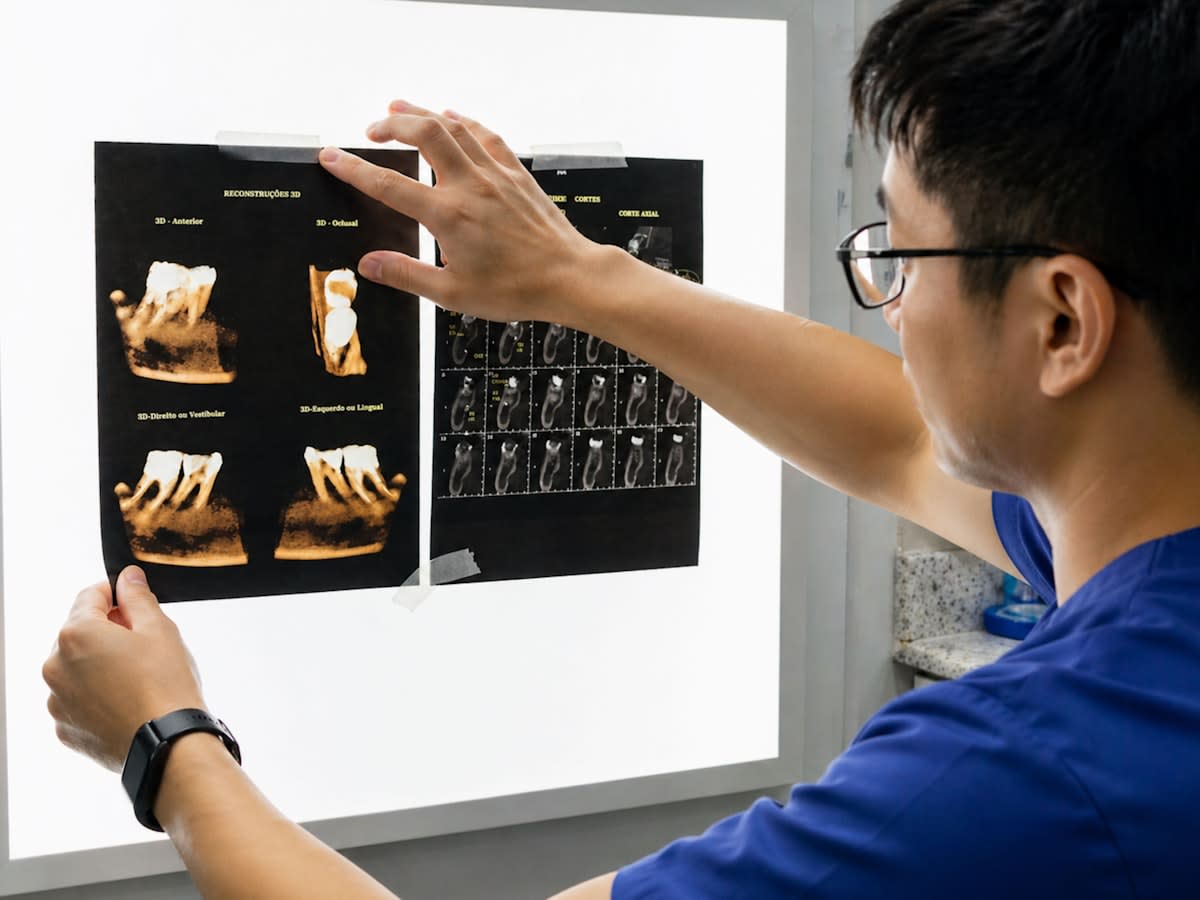
Simultaneously, the giants are consolidating. Agilent Technologies just finalized a $950 million takeover of Biocare Medical. By absorbing Biocare's automated immunohistochemistry instruments, Agilent is aggressively expanding its reach into cancer and infectious disease diagnostics to win more global tenders.
But can AI do it alone? The consensus from the field is a resounding no. Experts like Jay Anders, CMO of Medicomp, argue that healthcare AI works best only when clinicians remain in the loop. The goal is not to replace the doctor, but to use AI to handle the data deluge, allowing the human expert to focus on the high-stakes decision-making.
- 90% of AI users trust digital health insights nearly as much as physicians.
- Early detection could save the US $500 billion annually.
- Agilent acquires Biocare Medical for $950 million to scale cancer diagnostics.
- Israeli health tech funding drops 40% as capital pivots to AI and Defense.