
Most people approach nutrition as a game of trial and error, guessing which macros will trigger a specific result while ignoring the underlying biological machinery. True precision nutrition is the art of aligning dietary inputs with biological markers to maximize healthspan—the period of life spent in good health, free from chronic disease. While the gold standard involves deep-dive blood chemistry, the fundamental principles of biological optimization can be engineered through disciplined habits and high-density nutrient selection. We are seeing a shift where the focus is moving from mere lifespan to the quality of those years, a distinction highlighted by recent longevity studies.
The Biological Blueprint: What We Are Aiming For
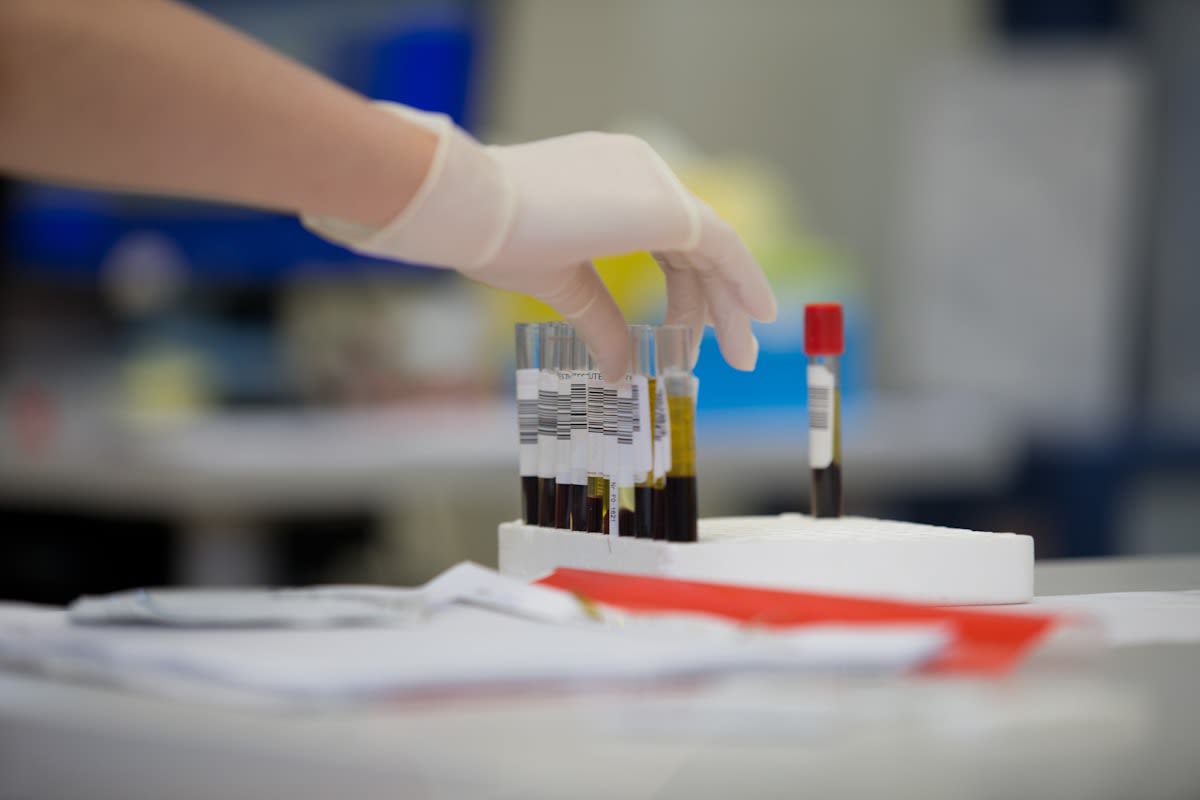
To engineer a plan without a lab, you must first understand the targets. Research from the Boston University Chobanian & Avedisian School of Medicine has identified a unique chemical fingerprint in centenarians that distinguishes them from those who age normally. These fingerprints include unusual patterns of bile acids and steroids linked to longer survival. These metabolites serve as biomarkers for biological age, suggesting that the goal of precision nutrition is not just weight management, but the manipulation of these specific chemical patterns to reduce the risk of age-related decline.
This pursuit of biological optimization is not uniform across genders. A study published in The Lancet Public Health reveals a critical disparity: while women generally outlive men worldwide, they are more likely to suffer from chronic pain and mental health issues. This creates a gap between lifespan and healthspan. For women, precision nutrition must move beyond generic guidelines to incorporate biomarkers that detect disease earlier and monitor treatment responses, ensuring that the extra years of life are not spent in a state of poor health.
The frontier of this field is already moving toward genetic specificity. At the AAIC 2026 conference in London, Alzheon presented evidence regarding the use of oral valiltramiprosate for patients with the APOE4/4 Alzheimer's genotype. Their Phase 2 and Phase 3 studies emphasize neurovascular protection and the preservation of brain microstructure. This demonstrates that the future of nutrition and medicine is not one-size-fits-all; it is an oral-therapy and nutrient-based approach tailored to the specific genetic markers of the individual.
Does this mean you are helpless without a genetic sequence? No. It means you should prioritize the variables you can control: protein density, metabolic consistency, and the avoidance of psychological traps in tracking.
Prerequisites for Implementation
- A non-negotiable dietary baseline (chosen and fixed for a minimum of 75 days).
- High-protein versatile staples to ensure satiety and muscle preservation.
- A tracking mechanism that prioritizes data over gamification.
- A commitment to mental toughness and follow-through.
The Engineering Process
- Establish a Fixed Dietary Protocol: Borrowing from the 75 Hard framework, select a diet and adhere to it for 75 days without exception. The goal here is not necessarily the specific diet, but the test of integrity. By removing the daily decision-making process, you stabilize your metabolic environment, making it easier to observe how your body responds to specific inputs.
- Optimize for Protein Density: Integrate versatile, high-protein staples to make healthy eating effortless. Nutritionist Emily English advocates for cottage cheese as a primary staple due to its ability to be used in various meals, increasing satiety and making the plan sustainable. High-protein intake is the bedrock of preserving lean mass, which is a key marker of healthspan.
- Deploy Strategic Tracking: Use tools like MyFitnessPal or Noom to monitor intake, but do so with clinical detachment. The objective is to gather data on your habits, not to chase digital rewards or badges. Focus on the actual nutrient density rather than the app's gamified metrics.
- Iterate Based on Subjective Biomarkers: Since you lack a lab, use energy levels, cognitive clarity, and recovery speed as proxy biomarkers. If your energy dips despite hitting macros, adjust your fat-to-carb ratio while keeping the protein baseline constant.
Practitioner's Warning
Avoid the gamification trap. Researchers warn that the gaming features in nutrition apps can be harmful to those predisposed to disordered eating or body dysmorphia. Use the app as a ledger, not a game.
The bridge between a generic diet and a precision plan is the transition from 'guessing' to 'observing.' When you remove the noise of constant diet-hopping, you can begin to see the signal in your own biology. This is the same logic applied in the Alzheon trials, where specific outcomes—like the reduction of brain bleed and edema (ARIA)—are tracked against a controlled intervention.

Analyzing the Efficiency Gap
To understand why this structured approach outperforms casual healthy eating, we must look at the delta between discipline and desire. The 75 Hard challenge is framed not as a fitness plan, but as a mental toughness exercise. In precision nutrition, the failure point is rarely a lack of knowledge; it is a lack of follow-through. When you commit to a non-negotiable daily discipline, you eliminate the variability that usually contaminates nutritional data.
| Approach | Primary Driver | Key Risk | Biological Outcome |
|---|---|---|---|
| Casual Healthy Eating | Intuition | Inconsistency | Variable Healthspan |
| App-Driven Dieting | Gamification | Disordered Eating | Weight Flux |
| Engineered Precision | Integrity/Data | Rigidity | Metabolic Stability |
By treating your nutrition as a series of controlled experiments, you mirror the rigor of the clinical trials seen in the AAIC 2026 presentations. Whether it is monitoring the effects of oral maintenance therapy after plaque clearance or simply tracking the effect of increased protein on afternoon brain fog, the method remains the same: isolate the variable, maintain the discipline, and record the outcome.
Common Pitfalls
The most frequent error in home-engineered nutrition is the 'Optimization Paradox,' where the individual spends more time tweaking the app than eating the food. This is where the warnings from researchers regarding MyFitnessPal and Noom become critical. When the tool becomes the goal, the biological signal is lost. You are not trying to win a game; you are trying to emulate the metabolic profile of a centenarian.
Another common failure is the neglect of satiety. Many attempt precision nutrition by restricting calories to a degree that triggers a biological stress response. As Emily English notes, using versatile staples like cottage cheese makes healthy eating feel easy rather than effortful. If your plan requires extreme willpower every single meal, it is not an engineered plan—it is a countdown to failure.
"The secret to healthy aging may be hidden in your blood, but the path to getting there is paved with daily, non-negotiable disciplines."— Strategic Analysis of Longevity Research