
The 50-Fold Shift
50-fold increase. OpenAI's GPT-4b micro redesigned Yamanaka factors to amplify stem cell reprogramming markers in laboratory settings (Source: IB Times, 2026). This leap represents a massive delta compared to the previous twelve months of research, where natural Yamanaka factors remained notoriously inefficient, converting fewer than 1 in 1,000 cells. The shift from biological randomness to AI-driven precision allows for a targeted approach to epigenetic reprogramming, reducing the DNA damage that serves as a primary hallmark of cellular aging (Source: IB Times, 2026). This is not a gradual improvement but a sudden rupture in the efficiency of cell rejuvenation.
The current momentum is driven by billions of dollars flowing into longevity startups focused on cell rejuvenation and the clearing of aging cells. These entities are moving away from the carbon-scored methods of traditional biology toward a digital-first design of proteins. The objective is no longer just to slow decay but to actively reverse it by resetting the cell to a more pluripotent state. By leveraging AI to design novel variants of reprogramming factors, researchers have bypassed the biological bottlenecks that previously stalled clinical progression (Source: IB Times, 2026).
"Retro Biosciences has said its goal is to add 10 years to healthy human lifespan."— Retro Biosciences, Corporate Statement (Source: IB Times, 2026)
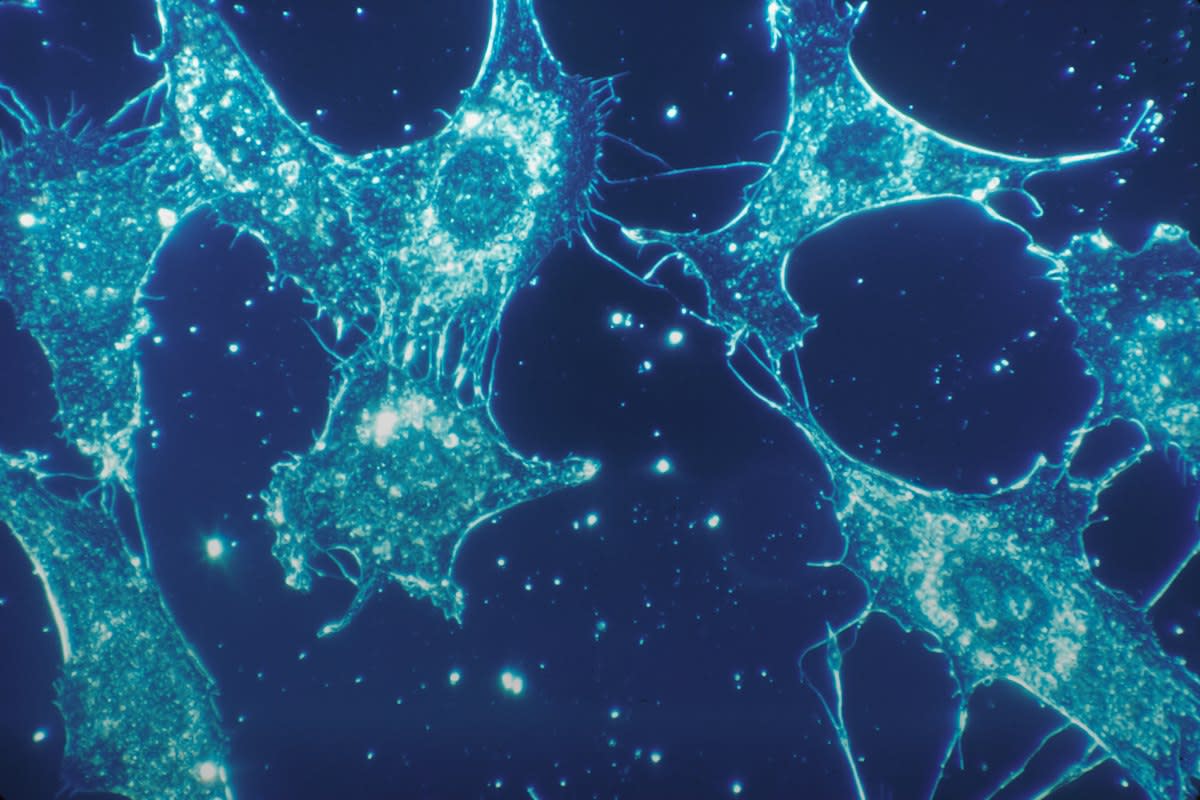
The delta between natural and synthetic reprogramming is stark. Natural factors are inefficient, often failing to trigger the necessary markers for stem cell conversion in 99.9% of attempts. The AI-designed versions, however, have demonstrated a capacity to significantly enhance the expression of these markers, potentially opening the door to therapies that could treat age-related degeneration at the root. This efficiency gain changes the timeline for preclinical testing, as the probability of successful cell conversion has shifted from a lottery to a calculated outcome (Source: IB Times, 2026).
| Factor Type | Conversion Efficiency | Marker Expression | Primary Effect |
|---|---|---|---|
| Natural Yamanaka | < 1 in 1,000 cells | Baseline | Inefficient reprogramming |
| AI-Designed (GPT-4b) | High/Optimized | 50-fold increase | Reduced DNA damage |
While the digital reset of the cell clock gains traction, a more visceral form of cellular reset continues in surgical wards. This is the physical removal of abnormal cells to restore tissue health, a process that lacks the elegance of AI but provides immediate clinical results. The contrast between the neon-burnt promise of epigenetic reprogramming and the rust-pitted reality of surgical excision highlights the two-track nature of modern medicine: one rewriting the code, the other cutting out the errors.
Surgical Excision and Cellular Clearance
Physical resets often happen in the form of Loop Electrosurgical Excision Procedures (LEEP). This technique eliminates the effects of HPV infections by removing abnormal cervical cells caused by the human papillomavirus (Source: UT MD Anderson, 2026). Unlike AI proteins, LEEP cannot kill the virus itself; it merely resets the tissue by removing the damaged cellular architecture. This is a tactical strike against pathology rather than a biological restoration of youth.
The scale of these interventions is evident in specific clinical hubs. At UT MD Anderson, gynecologists perform between 50 and 75 LEEPs annually (Source: UT MD Anderson, 2026). The volume increases significantly at the UT MD Anderson Oncology Program at Lyndon B. Johnson Hospital, where 150 to 200 procedures are performed each year (Source: UT MD Anderson, 2026). This concentration of cases in the Houston medical district underscores the reliance on physical excision to manage cellular abnormality.
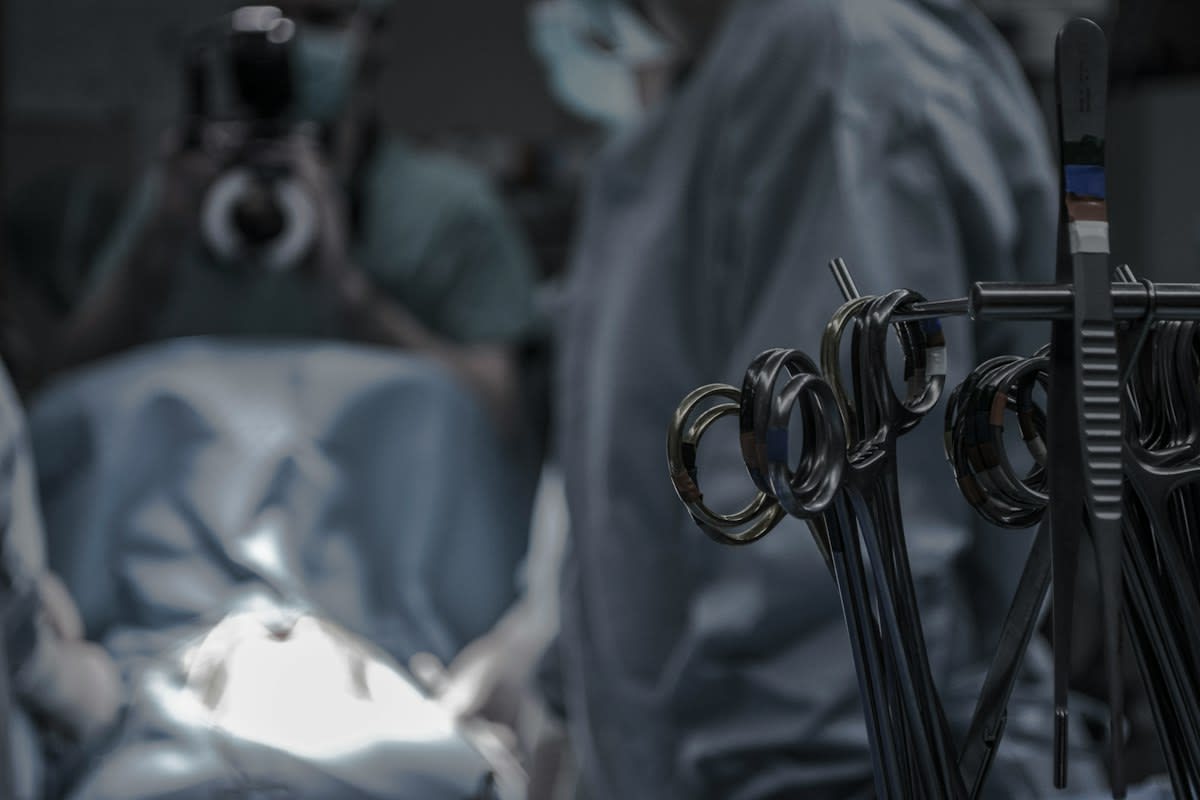
Beyond the removal of pathology, some surgical resets aim to improve systemic quality of life through structural realignment. In body contouring, abdominal plication has shown a statistically significant impact on patient outcomes. Specifically, patients undergoing plication recorded significantly lower post-operative RoFCAR scores compared to those who did not (p=0.037) (Source: Journal of Plastic, Reconstructive & Aesthetic Surgery, 2026). This indicates that resetting the physical tension of the abdominal wall can alleviate medical symptoms and improve overall quality of life.
From a practitioner's perspective, the friction exists in the gap between these modalities. Surgeons in the Lyndon B. Johnson Hospital corridors deal with the calcified reality of patient pathology, where success is measured by the clean removal of a lesion. Meanwhile, the bio-hackers and AI researchers are operating in a realm of probabilities and protein folding. There is a real ground-level tension between the immediate, tactile certainty of a LEEP procedure and the abstract, high-stakes gamble of epigenetic reprogramming. One is a cleanup operation; the other is an attempt to rewrite the manual of human existence.
The Failure Point
The primary failure point for the AI-driven cellular reset is the transition from the lab to the living organism. While the 50-fold increase in markers is a breakthrough in a petri dish, the results remain at the laboratory stage (Source: IB Times, 2026). There is currently no data to confirm whether these redesigned proteins are safe for human preclinical or clinical testing. The risk of inducing uncontrolled cell growth or oncogenic mutations remains a shadow over the longevity hype. Until these proteins can be delivered safely to specific tissues without triggering systemic failure, the 10-year lifespan extension remains a theoretical target.
Editorial Note
The disparity between lab-scale success and clinical safety is the critical bottleneck. While AI can optimize protein expression, it cannot yet predict the complex systemic interactions within a living human body.
Fact-Check & Accuracy Note
All data regarding AI protein expression and LEEP procedure volumes are sourced from September 2026 reports. The p-value of 0.037 for abdominal plication is based on RoFCAR scoring outcomes (Source: Journal of Plastic, Reconstructive & Aesthetic Surgery, 2026).