North Carolina proposes restoring Roanoke River after 50 years of mill pollution
Source Entity
TOI SCIENCE DESK
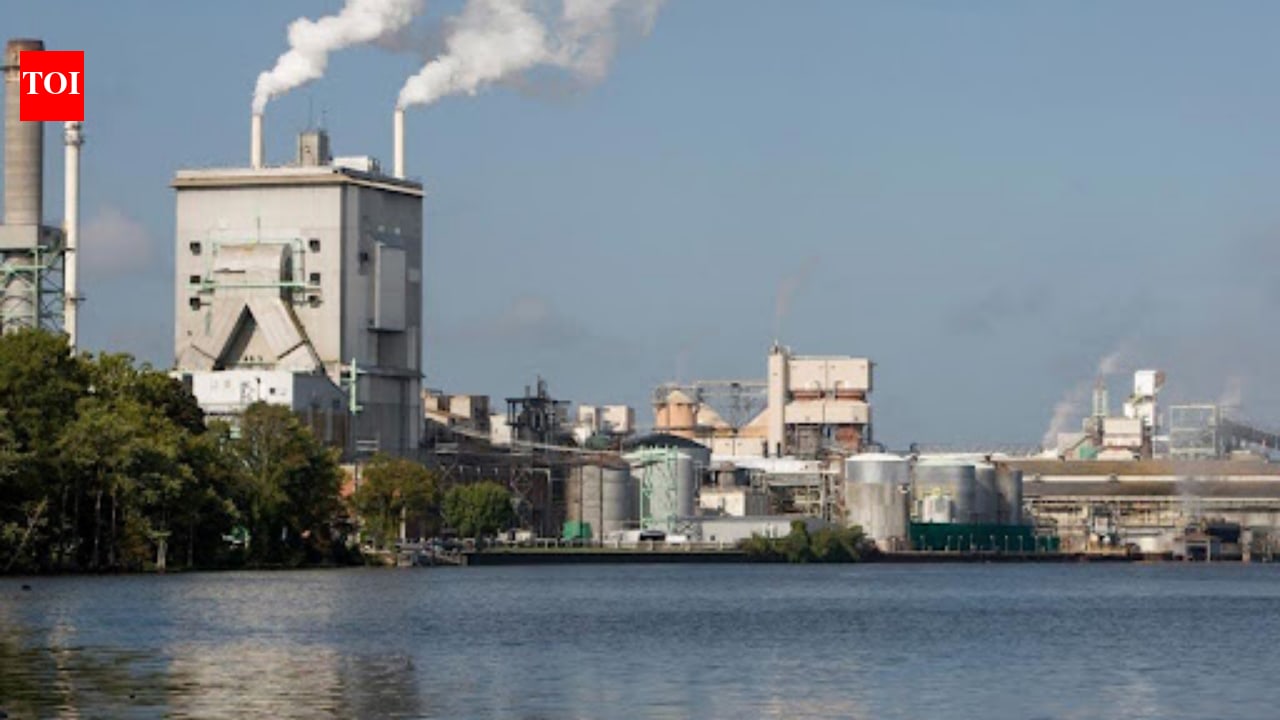
North Carolina has unveiled a restoration plan to address decades of industrial pollution from the Plymouth Mill on the Roanoke River. The initiative focuses on wetland conservation and habitat restoration to reverse long-term environmental degradation.
Addressing a Half-Century of Environmental Legacy
For over 50 years, the Plymouth Mill in North Carolina has served as a cornerstone of the regional economy while simultaneously acting as a source of significant environmental degradation. Since beginning operations in 1937, the facility—which focuses on wood and paper products—has been responsible for the release of hazardous substances into the local ecosystem. The contamination has historically compromised the integrity of the groundwater, soil, and critical waterways, including Welch Creek and the lower Roanoke River.
The Scope of the Restoration Initiative
The newly proposed restoration strategy marks a turning point in how the state manages industrial legacies. By shifting focus from mere containment to active restoration, the plan aims to undo decades of environmental strain. A core component of this initiative involves the permanent preservation of 760 acres of wetlands through a conservation deed. This protects vital ecological buffers that prevent further erosion and filtration issues, ensuring that these lands remain undisturbed for future generations.
Reconnecting Natural Systems
A primary goal of this strategy is the reconnection of floodplains along the lower Roanoke River. Historically, industrial development often fragmented these landscapes, disrupting the natural cycle of the river and limiting the habitat available for local fish and wildlife. By restoring these hydrological connections, the state aims to improve water quality and bolster the resilience of the surrounding ecosystems, which have suffered under the weight of industrial pollutants for more than five decades.
Building on Previous Mitigation Efforts
It is important to note that this proposal does not exist in a vacuum. Previous actions have already been taken to mitigate the footprint of the Plymouth Mill, gradually reducing the immediate impacts of its industrial output. This new plan represents an evolution of those initial efforts, moving toward a more comprehensive and long-term vision for the river’s health. The utilization of allocated funding signifies a commitment to remediating the specific damage caused by the mill’s long-standing operational history.
Public Engagement and Future Outlook
The success of this restoration depends heavily on transparency and public oversight. By opening the proposed plan for public comment, authorities are inviting local stakeholders, environmental advocates, and residents to contribute to the future of the Roanoke River. As the state moves forward, the integration of conservation deeds and habitat connectivity will serve as a model for how industrial sites can transition toward environmental stewardship, ensuring that the ecological health of the region is prioritized alongside economic history.