‘My HbA1c is 5.9% and FBS is 104 mg/dL. What do I do to bring them back to normal?’
Source Entity
The Indian Express
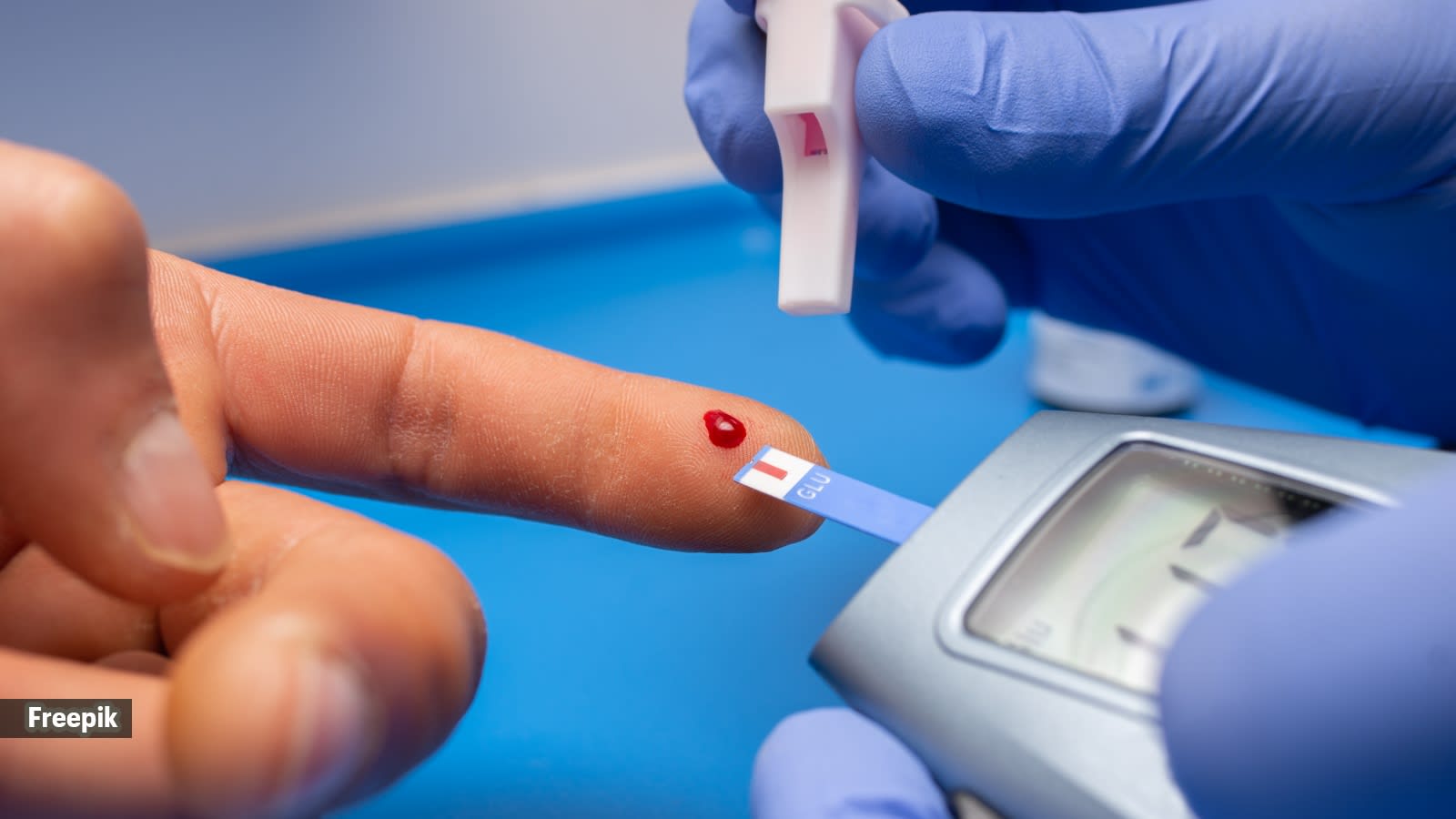
An HbA1c of 5.9% and fasting blood sugar of 104 mg/dL indicate a state of prediabetes. Experts emphasize that these levels are manageable through proactive lifestyle modifications and regular medical monitoring.
Understanding the Prediabetes Threshold
The medical query regarding an HbA1c level of 5.9% and a Fasting Blood Sugar (FBS) of 104 mg/dL highlights a critical stage in metabolic health known as prediabetes. While these numbers are not categorized as full-blown diabetes, they fall outside the optimal range, serving as a significant warning sign from the body. Understanding this 'in-between' phase is essential for patients, as it represents a window of opportunity where damage can be mitigated before it progresses into a chronic condition.
Deciphering the Numbers
The HbA1c test measures the average blood sugar level over the past two to three months, providing a broader picture of glycemic control than a single daily reading. An HbA1c of 5.9% sits squarely within the prediabetic range, which typically spans from 5.7% to 6.4%. Similarly, an FBS level of 104 mg/dL is slightly elevated above the normal threshold of 100 mg/dL. These metrics collectively suggest that the body is beginning to struggle with insulin sensitivity, which is the hallmark of metabolic syndrome.
The Role of Lifestyle Intervention
According to experts like Dr. Aarti Ullal, such readings are not necessarily a permanent diagnosis but rather a call to action. The primary intervention strategy involves sustainable lifestyle modifications. This includes the implementation of a balanced diet focusing on low-glycemic index foods, consistent physical activity, and weight management. By reducing the load on the body's insulin production, individuals can often successfully lower their blood glucose levels and revert these markers back toward the normal range.
Clinical Monitoring and Long-term Management
Beyond immediate diet and exercise changes, the clinical approach requires structured follow-up. It is not enough to make a single change; patients must monitor their progress through periodic testing to see how their body responds to new habits. Medical professionals emphasize that this stage requires a partnership between the patient and their healthcare provider to determine the appropriate frequency of re-testing and to set realistic, health-oriented goals.
Broader Implications for Metabolic Health
This scenario is increasingly common in the modern era, as sedentary lifestyles and dietary shifts contribute to higher rates of glucose intolerance. Recognizing these numbers early prevents the long-term complications associated with diabetes, such as neuropathy, cardiovascular issues, and kidney strain. The proactive management of an HbA1c of 5.9% is a testament to the power of preventive medicine and patient awareness in maintaining long-term vitality.
Conclusion
In summary, while an HbA1c of 5.9% and an FBS of 104 mg/dL are cause for concern, they are highly actionable indicators. Through a combination of informed dietary choices, active physical engagement, and guidance from medical specialists, individuals can effectively manage their blood sugar levels. Early detection through routine screening remains the most effective tool in preventing the progression of metabolic disease.