The Precision Paradox
Sequencing is now cheap. It is fast. We can read the entire book of human life in a matter of hours. But reading is not the same as understanding. We have entered the era of the Variant of Uncertain Significance (VUS), a diagnostic purgatory where a mutation is identified, but its clinical meaning remains a ghost. This gap between data acquisition and data interpretation has created a systemic bottleneck in modern healthcare.
For years, the genomic industry chased the low-hanging fruit—well-documented mutations like BRCA1 in breast cancer. Now, the focus has shifted toward whole-exome and whole-genome sequencing. The result is a deluge of genetic noise. We are discovering changes in DNA that have never been seen before, or seen so rarely that we cannot determine if they cause a disease or are simply harmless quirks of human diversity. This ambiguity transforms a tool of certainty into a source of profound anxiety.
Defining the Gray Zone
A Variant of Uncertain Significance (VUS) is a genetic alteration where the current evidence is insufficient to classify it as either pathogenic (disease-causing) or benign (harmless). It is the medical equivalent of a 'maybe'.
The Delta: From Static to Fluid Diagnostics
Twelve months ago, a genetic report functioned as a static document. You received your results, and that was the final word for your clinical history. Today, the industry is pivoting toward Dynamic Re-classification. The realization has finally set in: a VUS today is often a Pathogenic or Benign result tomorrow. The delta is the transition from snapshot medicine to streaming medicine.
This shift is driven by the explosive growth of global databases and a change in how labs communicate. Up to 10% of VUS are re-classified annually as more data trickles in from around the world. We are seeing a move toward longitudinal genomic tracking, where patients are notified in real-time when the status of their variant changes. This removes the burden of the 'final' report and replaces it with a living medical record.
| Classification | Clinical Certainty | Actionability | Typical Outcome |
|---|---|---|---|
| Pathogenic | High | Immediate | Targeted Treatment/Surgery |
| VUS | Low/Unknown | Observation | Psychological Stress/Wait-and-See |
| Benign | High | None | Reassurance |
The human cost of this ambiguity is staggering. Imagine a patient in São Paulo or Nairobi receiving a report that identifies a VUS in a critical cardiac gene. Do they undergo prophylactic surgery? Do they live in a state of permanent suspicion? The lack of a binary answer creates a psychological vacuum that many clinicians are ill-equipped to fill, often leading to over-treatment or paralyzing fear.
"The tragedy of the VUS is that it provides the illusion of an answer while leaving the patient in a state of permanent suspicion. We are giving people data without giving them meaning."— Dr. Elena Rossi, Genomic Consultant
The Diversity Gap: A Global Blind Spot
Our certainty is biased. Most genomic databases are heavily skewed toward populations of European descent, which accounts for over 80% of genomic data in public repositories. When a clinician in Tokyo or Lagos sequences a patient, they compare that DNA against a reference library that does not reflect the patient's ancestry. This creates an artificial inflation of VUS.
What looks like a rare, potentially dangerous variant in a European database might actually be a common, benign trait in a West African population. By failing to diversify the reference genome, we are not just missing data—we are misdiagnosing people. This is the genetic lottery's blind spot: the more we sequence the world, the more we realize how little we know about non-European genetic variation.
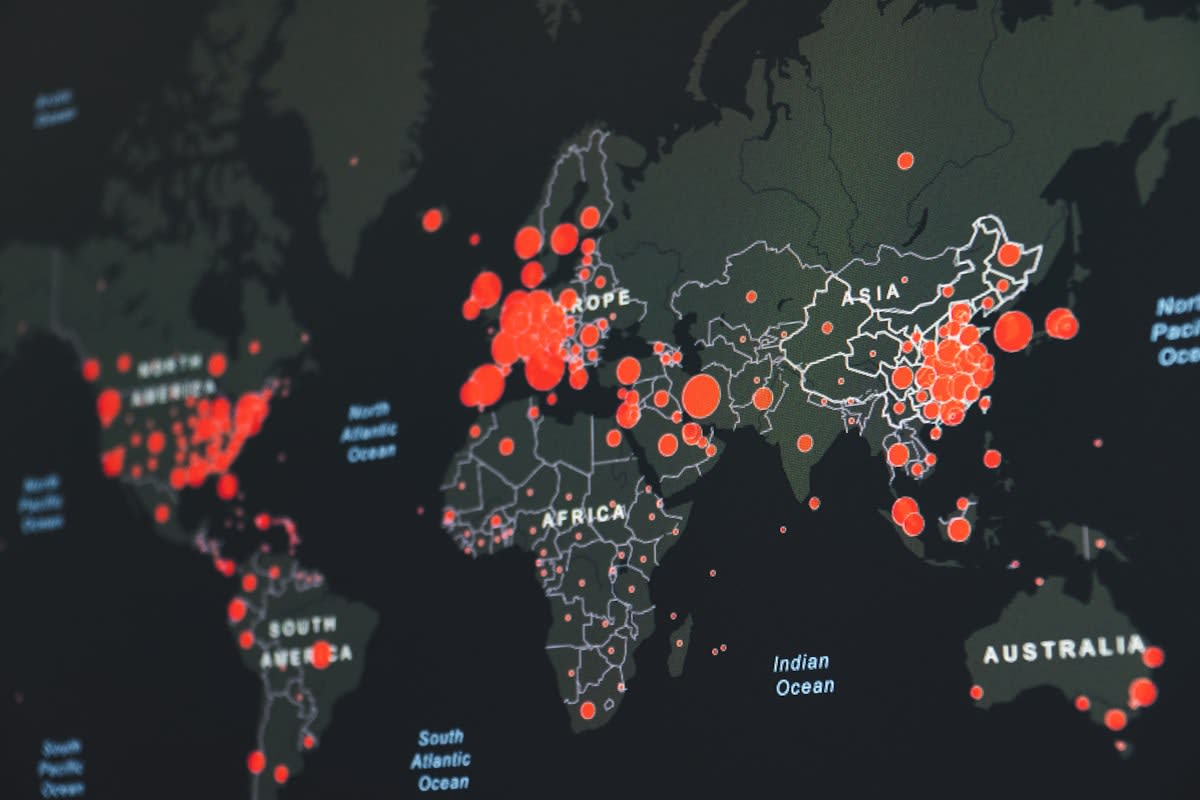
This disparity means that precision medicine is currently a luxury of ancestry. To solve this, the industry must move beyond the 'Reference Human' and embrace a pan-genomic approach. The goal is to build a diverse library that recognizes the natural variation of the human species, reducing the number of 'uncertain' results for patients in the Global South.
Moving Beyond the Sequence
We cannot sequence our way out of the VUS problem. The solution is not more data; it is better data. This is why the industry is pivoting toward functional genomics. Instead of merely reading the DNA, scientists are now building organoids—mini-organs—or using CRISPR to recreate a variant in a lab setting to see if it actually breaks the protein's function.
Artificial Intelligence is the catalyst. Models like AlphaFold are allowing researchers to predict the physical impact of a VUS in seconds. We are moving from asking 'Does this sequence look weird?' to 'Does this change the shape of the protein?' This transition from descriptive science to predictive science is the most significant shift in diagnostics in a decade.
The opportunity here is immense. If we can resolve VUS at scale, we unlock the true potential of personalized medicine. We stop guessing and start knowing. However, this requires a radical commitment to open-source genetics. The proprietary hoarding of genomic data by private firms is the primary obstacle to resolving these variants.
| Approach | Method | Confidence Level | Speed |
|---|---|---|---|
| Traditional | Database Comparison | Medium (Ancestry Dependent) | Fast |
| Modern | Functional Assays/AI | High (Evidence Based) | Slow to Medium |
Adaptation and Resilience
The medical community is adapting. Genetic counselors are being retrained to communicate uncertainty as a clinical reality rather than a failure of the test. The goal is no longer to provide a definitive yes or no, but to manage the risk associated with the unknown. This is a masterclass in resilience—turning a diagnostic limitation into a framework for cautious, personalized care.
As the genomic sequencing market continues to grow at a projected CAGR of 15% through 2030, the pressure to resolve the VUS crisis will only mount. The industry is at a crossroads. It can either continue to produce ambiguous reports that confuse patients, or it can embrace the shift toward functional, diverse, and dynamic diagnostics.
Ultimately, the resolution of the VUS blind spot will require the 'book of life' to become an open library. When data flows freely across borders and ancestries, the gray zone shrinks. The genetic lottery may be random, but our ability to interpret it does not have to be.