The July Pivot: From Needles to Pills
The landscape of metabolic health shifted violently this month. As of July 2026, the narrative has moved past the early adopters of injectable GLP-1 receptor agonists to a mass-market reality driven by the arrival of oral pills. These medications are currently sweeping through Europe and the United States, breaking down the barriers of entry that once limited these treatments to the wealthy or the severely obese. This is not just a convenience play. The transition to oral delivery represents a fundamental expansion of who can access these drugs and how they interact with the human brain.
Why does the delivery method matter? Recent findings from the University of Virginia suggest that oral GLP-1 pills may influence the brain's reward and motivation centers through different pathways than their injectable predecessors. This nuance is critical. We are seeing a drug that reaches deeper into the brain than previously thought, potentially silencing the persistent 'food noise' that drives compulsive eating. For the global food economy, this is a seismic event. When the biological drive to consume hyper-palatable foods vanishes, the business models built on those cravings begin to crumble.
This shift is creating a delta between the consumption patterns of 2025 and today. Twelve months ago, the industry viewed GLP-1s as a niche disruption affecting a small percentage of high-cost patients. Now, the scale of adoption is forcing a reckoning. The 'food noise'—that relentless mental chatter urging a person to snack or overeat—is being muted for millions. This isn't just about eating less; it is about wanting different things entirely.
The Neural Shift
The University of Virginia research indicates that oral GLP-1s may target neural reward pathways differently than injectables, suggesting a more profound impact on motivation and craving centers in the brain.
Rewiring the Reward System
To understand the economic ripple, we must first understand the biology. Research published in Frontiers on July 31, 2026, revisits the concept of food addiction through the lens of GLP-1 pharmacotherapy. The study highlights how these drugs interact with neural reward pathways that link feeding to substance use. By modulating these pathways, GLP-1 receptor agonists do more than suppress appetite; they fundamentally reshape food preferences. This is a biological intervention in the cycle of compulsive consumption.
Does this mean we are curing addiction? Not exactly, but we are treating the medical condition of obesity by addressing its neural roots. The use of the Empirical Taste Test (WETT) and the University of Pennsylvania Smell Identification Test (UPSIT) has provided empirical evidence of this shift. Users are not just eating smaller portions of their favorite foods; they are losing interest in the foods that previously triggered their reward systems. The dopamine hit from a sugary beverage or a processed snack is simply no longer there.
"My body did not know how to register that it wanted it anymore. It wasn't that the food was bad; it was that the sensation was gone."— Patient testimonial via Buzzfeed, July 2026
This loss of sensation is the 'quiet' part of the revolution. While the public focuses on the weight loss, the real story is the erosion of the craving. For a consumer who once spent hours thinking about their next meal, the sudden silence is liberating, though not without cost. The physical toll, including daily nausea for some, is the price of this neurological recalibration.
As these biological shifts take hold, they translate directly into household spending data. We are moving from a world of mindless consumption to one of intentional nutrition.
The Grocery Store Reckoning
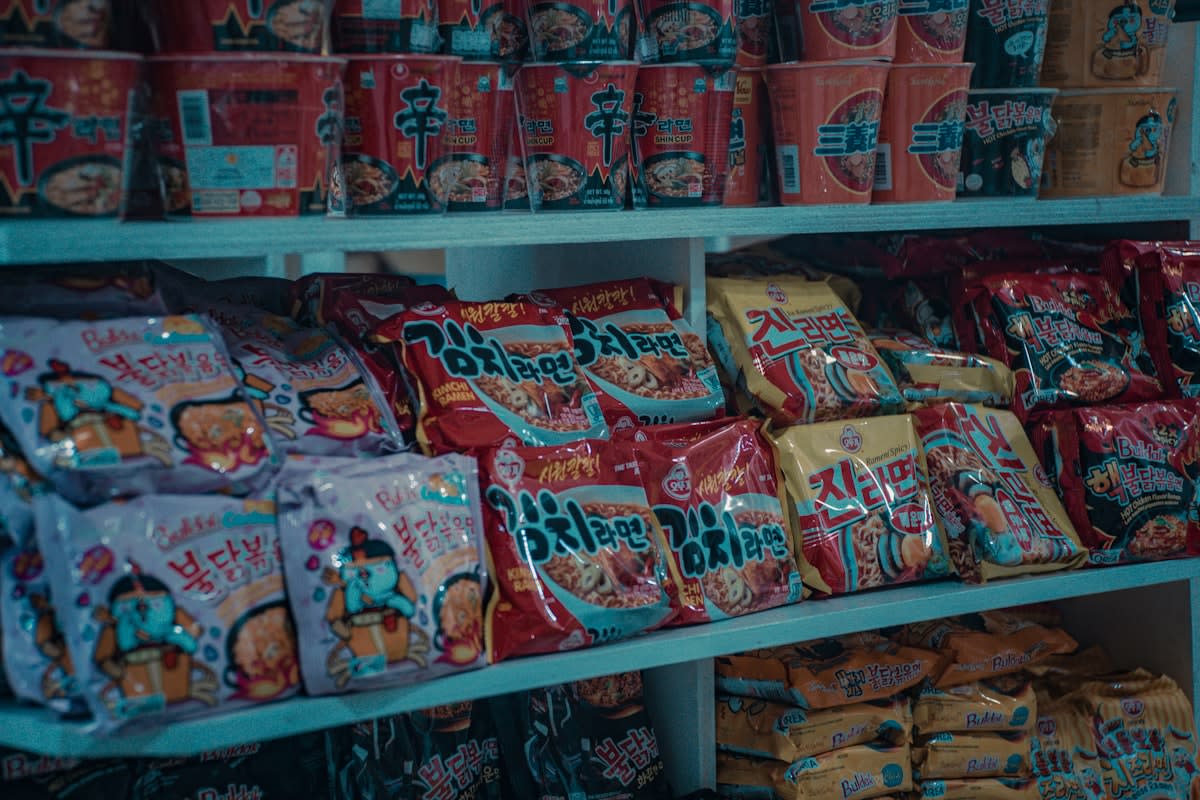
The economic data is stark. According to the Frontiers report, GLP-1 users do not reduce their food spending uniformly across all categories. Instead, the decrease is disproportionately concentrated in processed foods and sugar-sweetened beverages. This is a targeted strike against the most profitable sectors of the global food industry. The ultra-processed food (UPF) complex, which relies on 'craveability' to drive repeat purchases, is facing a crisis of demand.
| Food Category | Pre-GLP-1 Consumption Trend | Post-GLP-1 Consumption Trend |
|---|---|---|
| Processed Snacks | High (Driven by reward pathways) | Significant Decrease |
| Sugar-Sweetened Beverages | High (Compulsive consumption) | Significant Decrease |
| Nutrient-Dense Whole Foods | Variable | Increasing (Tailored nutritional needs) |
| Functional Supplements | Moderate | Increasing (To combat muscle loss/nausea) |
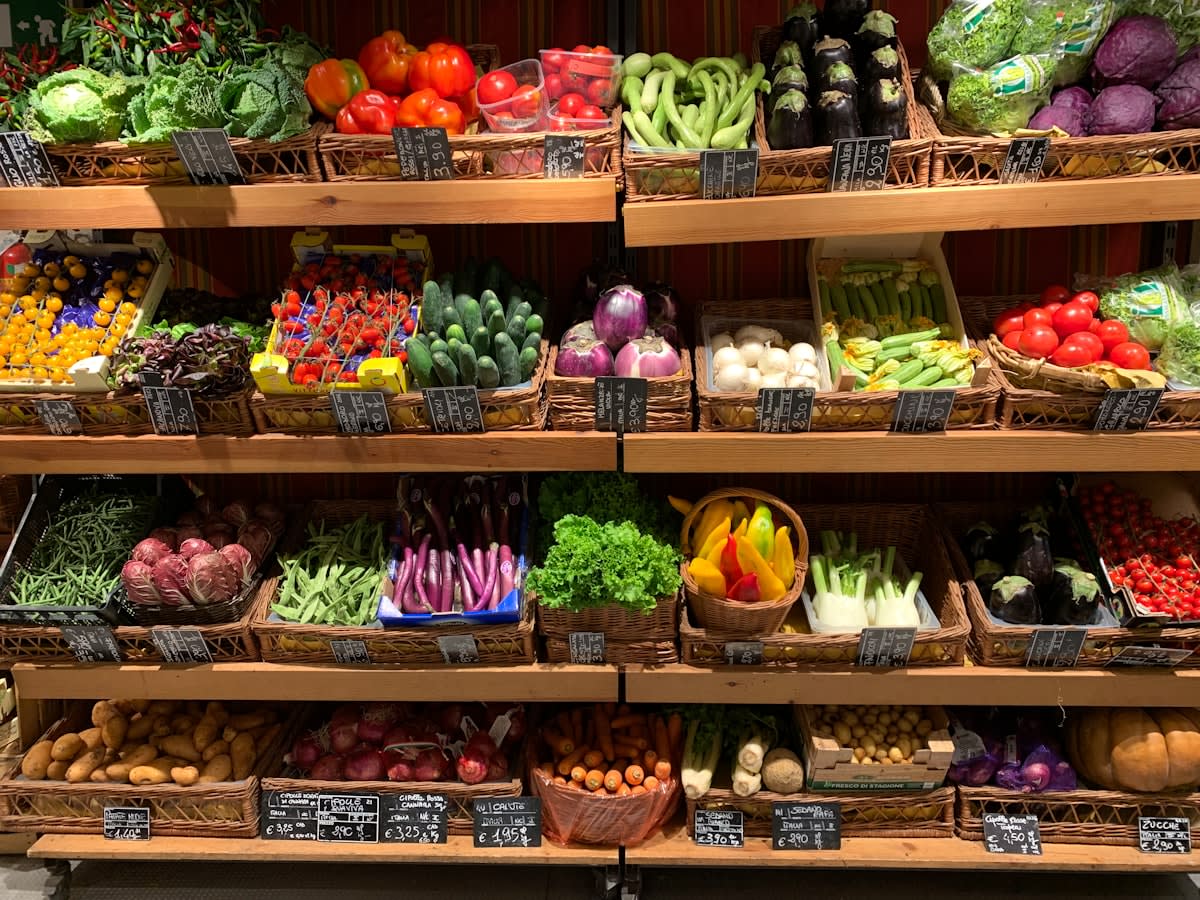
This shift in grocery expenditures is catalyzing a broader social change. As households move away from processed goods, we are seeing the emergence of new product lines specifically tailored to the nutritional needs of GLP-1 users. These users require higher protein intake to preserve lean muscle mass and specialized formulations to manage the gastrointestinal side effects associated with the medication.
The industry is not standing still. Food Business News reports that GLP-1 users are already sparking massive product revamps. Companies are pivoting from 'flavor-first' to 'function-first' strategies. This is an opportunity for resilience. The brands that survive will be those that stop trying to trigger the reward center and start trying to support the biological needs of a changing population.
But the transition is not seamless. The cost of these medications remains a significant hurdle. One user reported spending $341 on a single product, highlighting the financial strain that accompanies the medical breakthrough. This creates a tiered society of metabolic health: those who can afford to silence their cravings and those who remain trapped in the cycle of processed food addiction.
This economic divide will likely dictate the pace of the food industry's pivot. In high-income markets, the shift toward functional, GLP-1-friendly foods will accelerate. In other regions, the reliance on cheap, processed calories will persist, creating a global divergence in dietary health.
The Path Forward: Adaptation and Resilience
We are witnessing the birth of a new metabolic economy. The focus is shifting from volume—how much can we get a consumer to eat—to value—how can we optimize the nutrition of a consumer who eats less. This is a fundamental reimagining of the relationship between pharmacology and food. The synergy between oral GLP-1s and functional nutrition is where the next decade of growth lies.
- Pivot to 'Function-First' formulations to support GLP-1 users.
- Reduction in reliance on hyper-palatable, processed ingredients.
- Expansion of high-protein, nutrient-dense product lines to preserve muscle mass.
- Integration of pharmaceutical insights into food product development.
The era of the 'bliss point'—the precise combination of salt, sugar, and fat designed to override satiety—is ending. In its place, we are seeing a demand for precision nutrition. This is not a crisis for the food industry, but a necessary evolution. The resilience of the global food economy depends on its ability to stop fighting human biology and start supporting it.
As we move further into 2026, the ripple effect will only widen. The silencing of food noise is the first domino. The second is a total restructuring of the global supply chain to favor whole, functional ingredients over synthetic additives. The question is no longer whether the food economy will change, but which companies will be fast enough to adapt to the new neural reality.