
The Metabolic Engine: Why You Crash
Most professionals view the 3 PM brain fog as a failure of willpower or a lack of caffeine. It is neither. This cognitive dip is a physiological response to the glucose rollercoaster—a cycle of sharp spikes and precipitous drops in blood sugar that leaves the brain starved for consistent fuel. When you consume high-glycemic carbohydrates on an empty stomach, your pancreas floods the system with insulin to manage the surge. The result is often an overcorrection, pushing your blood glucose levels below baseline and triggering a state of hypoglycemic lethargy.
Consider the experience of a software engineer in Berlin or a financial analyst in Singapore; both likely start their day with a pastry or a sweetened latte. This initial spike sets a chaotic tone for the day. By the time mid-afternoon arrives, the body is struggling to stabilize, and the brain, which consumes roughly 20 percent of the body's total glucose, begins to misfire. This manifests as an inability to focus, irritability, and a desperate craving for more sugar to bridge the gap. Why do we accept this as a standard part of the workday?
The Biological Truth
The Glucose Rollercoaster is not a personality trait; it is a biochemical event. When glucose spikes above 140 mg/dL and then crashes, the brain enters a low-energy state that mimics cognitive fatigue, regardless of how many hours of sleep you had.
Prerequisites for Metabolic Mastery
Before implementing the blueprint, you need a specific set of tools and a shift in perspective. You are not dieting; you are engineering a biological environment that supports high-output cognitive work. This requires a commitment to food order and timing rather than restrictive calorie counting. The goal is stability, not deprivation.
- A high-protein breakfast source (eggs, Greek yogurt, tofu, or lean meats)
- A source of soluble fiber for every lunch (leafy greens, broccoli, or chia seeds)
- Access to a 10-minute walking path or a standing desk
- A hydration strategy focusing on water and non-sweetened beverages
- Optional: A Continuous Glucose Monitor (CGM) to visualize your specific triggers
Equipping yourself with these basics allows you to move from guesswork to precision. While a CGM provides the most data, the blueprint works based on universal physiological laws of insulin sensitivity and gastric emptying. Whether you are navigating a high-pressure boardroom in New York or managing a creative studio in Mexico City, these prerequisites form the foundation of a stable energy profile.
The Step-by-Step Engineering Plan
- Front-load your day with savory proteins and healthy fats to anchor your glucose levels.
- Sequence your meals: Fiber first, protein and fats second, and starches or sugars last.
- Implement a 'Glucose Walk' within 30 minutes of your largest meal.
- Delay caffeine intake by 90 minutes to allow natural cortisol to wake the brain.
- Establish a low-glycemic wind-down ritual to prevent nighttime spikes and morning hunger.
The first step—the savory start—is the most critical. Starting the day with glucose-heavy foods, such as cereal or fruit smoothies, creates a metabolic volatility that lasts for hours. By prioritizing proteins and fats, you slow the absorption of any accompanying carbohydrates. This prevents the initial insulin spike, ensuring that your energy remains a flat line rather than a jagged peak. Imagine the difference between a slow-burning log and a flash of gunpowder; the former is what your brain requires for deep work.
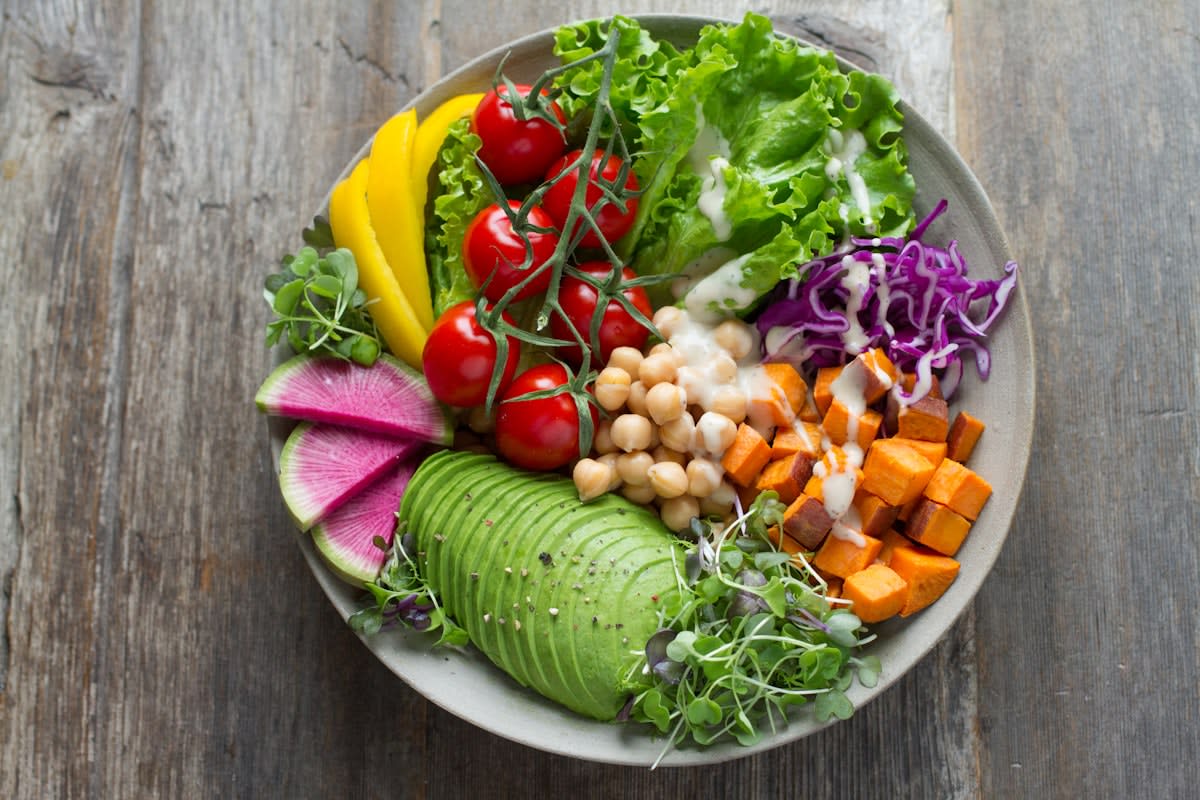
Meal sequencing is where the real engineering happens. When you eat fiber—like a salad or steamed vegetables—first, you create a viscous mesh in the small intestine. This mesh acts as a filter, slowing the speed at which glucose from subsequent starches enters the bloodstream. Following fiber with proteins and fats further buffers this absorption. By the time you reach the dessert or the rice, the glucose enters the blood in a controlled trickle rather than a flood, reducing the insulin response by up to 30 percent.
"The order of operations in a meal is often more important than the calories themselves when it comes to cognitive endurance."— Metabolic Health Expert
Movement is the most underrated tool for glucose management. After a meal, your muscles are the primary sinks for glucose. By engaging in a 10-to-15 minute walk, you activate GLUT4 transporters, which allow your muscles to take up glucose without requiring a massive insulin surge. This simple habit can reduce postprandial glucose peaks by 20 to 30 percent. A teacher in Nairobi taking a brisk walk during a break or a lawyer in London strolling around the block is effectively using their muscles as a metabolic sponge.
| Food Category | Glucose Impact | Cognitive Effect | Strategic Placement |
|---|---|---|---|
| Fibrous Greens | Very Low | Stabilizing | Start of Meal |
| Proteins/Fats | Low | Satiating | Middle of Meal |
| Complex Carbs | Moderate | Fueling | End of Meal |
| Simple Sugars | High | Spiking/Crashing | Occasional/Post-Walk |
The caffeine gap is a subtle but powerful adjustment. Most people reach for coffee the moment they wake up, but this interferes with the natural cortisol awakening response. By delaying caffeine for 90 minutes, you allow your body to clear adenosine and stabilize its own energy levels. When caffeine finally hits, it enhances focus without triggering the jittery anxiety that often accompanies a fasted, high-caffeine start. This prevents the early-morning crash that often accelerates the afternoon slump.
Finally, the wind-down ritual ensures that you don't wake up in a glucose deficit. A late-night sugar binge leads to nocturnal hyperglycemia followed by a morning drop, which triggers intense hunger and a desire for sweet breakfasts. By opting for a light, protein-rich evening snack—such as a handful of almonds or a piece of cheese—you maintain a steady baseline through the night. This sets the stage for a seamless transition into the next day's blueprint.
Common Pitfalls and Metabolic Traps
Many intelligent professionals fall into the 'healthy' trap. They choose a green smoothie or a bowl of oatmeal topped with honey, believing these are optimal choices. In reality, these are often glucose bombs in disguise. Liquid calories, even from fruit, bypass the chewing process and hit the bloodstream almost instantly. This triggers the same insulin spike as a candy bar, leading to the inevitable 3 PM fog.
- The Fruit-Only Breakfast: Lacks the protein/fat anchor needed for stability.
- The 'Healthy' Granola Bar: Often packed with hidden syrups that spike glucose.
- The Fasted Caffeine Surge: Triggers a cortisol spike that can elevate blood sugar via gluconeogenesis.
- The Sedentary Lunch: Sitting for 8 hours after a carb-heavy meal ensures the glucose stays in the blood longer.
The psychology of cravings is often a biological signal, not a lack of discipline. When you feel an overwhelming need for chocolate or a soda at 3:30 PM, your brain is signaling a glucose dip. Instead of fighting the craving with willpower, address the root cause: your lunch sequence. If you start with a salad and end with your starch, that craving often vanishes entirely because the dip never occurred. You are not fighting your appetite; you are managing your chemistry.
Engineering your routine is an iterative process. What works for a high-intensity executive in Tokyo might differ slightly for a freelance writer in Nairobi. The core principles—fiber first, movement after eating, and protein-heavy starts—remain constant. By treating your energy as a manageable resource rather than a random occurrence, you reclaim the ability to perform at your peak for the entire duration of your working day.