‘Synthetic twin’: Why Socceroo Cristian Volpato is the latest footballer to license his AI clone
Source Entity
Henry Belot and Jack Snape
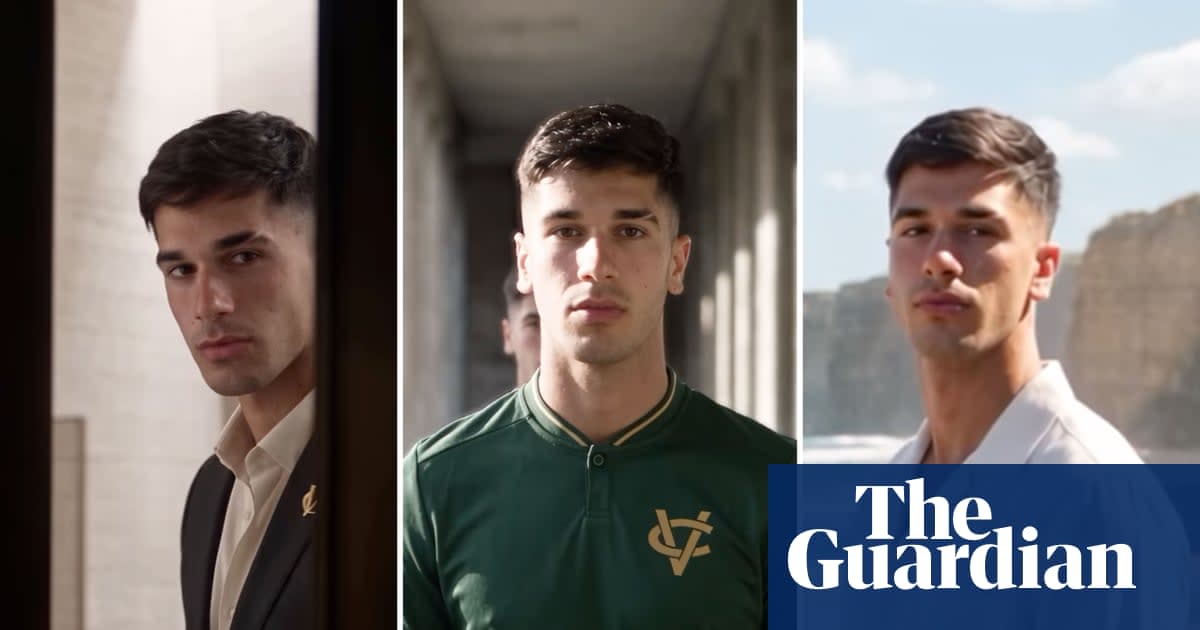
Socceroos star Cristian Volpato has officially licensed his AI-generated likeness to create a 'synthetic twin' for digital marketing. This move highlights the growing trend of professional athletes monetizing their digital identity through generative artificial intelligence.
The Rise of the Synthetic Athlete
Professional football is undergoing a profound digital transformation, as evidenced by Socceroos star Cristian Volpato’s decision to license his AI-generated likeness. By authorizing the creation of a 'synthetic twin,' Volpato has effectively decoupled his physical presence from his commercial output. This allows for the simultaneous presence of his persona in multiple digital environments—from virtual billboards to global social media campaigns—without requiring the athlete's physical participation in every shoot.
The Mechanics of Digital Licensing
The technology behind Volpato’s clones utilizes generative AI to replicate his likeness with high fidelity. In the provided footage, we see the athlete striding through an atrium before his digital iterations peel off into distinct, geographically diverse settings. This capability represents a significant shift in sports marketing, where the 'synthetic twin' can be deployed in diverse contexts, such as a beach setting at the Twelve Apostles or on massive digital billboards, all while maintaining brand consistency and reducing logistical overhead.
Monetization and Brand Control
For an athlete like Volpato, licensing a digital clone serves as a strategic asset for brand management. By controlling the output of his AI likeness, the 22-year-old footballer can engage with fans and commercial partners on a scale that was previously impossible. This model of monetization allows athletes to maximize their commercial footprint during their peak years, turning their identity into a scalable, 24/7 digital product that operates independently of their rigorous training and match schedules.
The Future of Sports Media
This development signals a broader trend in the sports industry where the boundary between reality and simulation continues to blur. As AI technology matures, we can expect more professional athletes to adopt similar strategies, potentially using synthetic twins for personalized fan interactions, virtual training demonstrations, or global advertising campaigns. The ability to spawn multiple iterations of a high-profile figure enables a level of ubiquity that traditional media could never sustain.
Ethical and Industry Implications
While this represents a lucrative evolution for athletes, it also raises important questions regarding the future of digital rights and the authenticity of media. As audiences become accustomed to synthetic content, the industry must navigate the challenges of transparency. Volpato’s authorized use of his clone sets a precedent for how athletes can maintain agency over their digital image, ensuring that they remain the primary beneficiaries of their likeness in an increasingly automated digital landscape.
Conclusion
Cristian Volpato’s foray into AI-generated marketing is a harbinger of the 'synthetic' era in professional sports. By formalizing the licensing of his likeness, he is not merely participating in a trend but helping to establish a new commercial standard. As technology continues to bridge the gap between physical performance and digital representation, the role of the athlete-as-brand will continue to expand into the virtual realm.