Delhi Man Arrested Over 'Sting Op' Video Targeting Siddaramaiah
Source Entity
NDTV News Search Records Found 1000
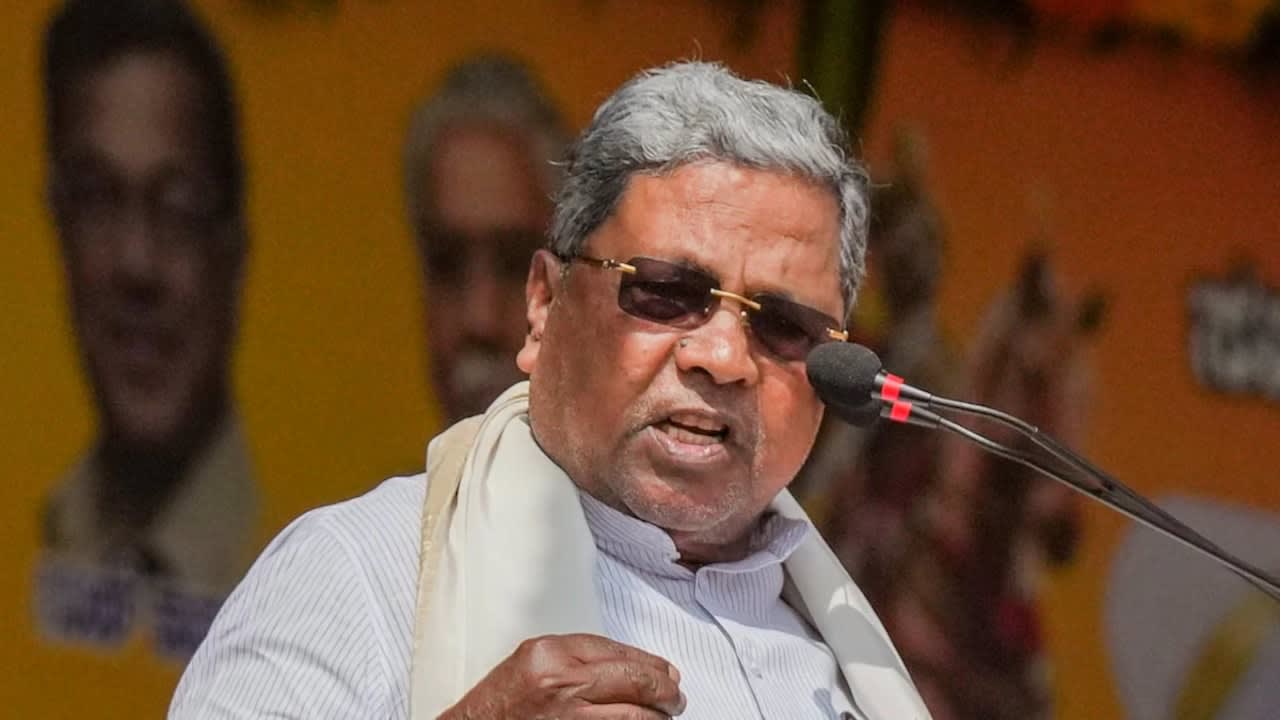
The Congress party has requested a Karnataka government investigation into alleged sting operations targeting top leaders, including D.K. Shivakumar and V.D. Satheesan. Simultaneously, Bengaluru police have arrested a Delhi man for uploading a separate sting video targeting former CM Siddaramaiah, allegedly at the behest of JD(S) associates.
Allegations of Political Surveillance and Sting Operations
The political landscape in Karnataka and Kerala is currently embroiled in a controversy involving allegations of sophisticated surveillance and coordinated sting operations targeting high-profile Indian National Congress (INC) leadership. The Congress high command has formally requested the Karnataka government to initiate a probe into suspicious activities reported by Deputy Chief Minister D.K. Shivakumar and Kerala Leader of Opposition V.D. Satheesan.
The Meta Glasses Incident
The impetus for this investigation stems from a personal account provided by D.K. Shivakumar, who reported a suspicious encounter with a businessman. According to Shivakumar, this individual gained access to him under the guise of discussing business interests but pivoted to questioning him on political strategy and electoral psephology. The alarm was raised when Shivakumar noticed the businessman was wearing Meta AI glasses, which the leader suspected were being used to record the interaction surreptitiously. The fact that the same businessman reportedly sought out V.D. Satheesan suggests a potential pattern of targeted intelligence gathering directed at senior Congress functionaries.
Arrests in the Siddaramaiah Case
Parallel to these concerns regarding potential real-time recording, the Bengaluru Central Crime Branch (CCB) has made significant progress in a separate but related case involving a doctored or unauthorized sting video targeting former Karnataka Chief Minister Siddaramaiah. The CCB arrested 22-year-old Ritesh Pandey in Delhi, who is accused of uploading the controversial footage. During interrogation, Pandey reportedly implicated individuals associated with the Janata Dal (Secular) social media team, claiming he was provided the video via a pen drive and instructed to disseminate it.
Technological Threats to Political Privacy
These incidents highlight the intersection of modern wearable technology and political warfare. The use of AI-integrated eyewear—capable of discreet recording—marks a new frontier in political espionage. As political actors become more reliant on technology, the vulnerability to 'deep fake' or 'sting' operations increases, forcing parties to reconsider security protocols for private meetings. The transition from traditional political maneuvering to digital surveillance tools represents a significant escalation in how opposing factions may attempt to compromise their rivals.
Institutional and Legal Implications
The involvement of the CCB and the subsequent granting of conditional bail to the accused reflects the legal challenges inherent in digital crime. The investigation is currently tracing the chain of custody for the video, moving from the initial suspect to potential orchestrators within the JD(S) social media apparatus. This development underscores the growing importance of cyber-forensics in Indian electoral politics, where the viral nature of social media can cause irreparable reputational damage before facts are verified.
Future Trends and Political Stability
Looking ahead, it is likely that political parties will implement stricter vetting processes for individuals seeking appointments with senior leadership. The trend of using 'sting' tactics, whether through physical surveillance devices or the viral distribution of manipulated media, suggests that the upcoming electoral cycles will be highly sensitive to digital information warfare. The Congress party’s push for a state-level probe signifies a desire to establish a legal precedent that discourages the weaponization of personal privacy against public servants.
Verification Required?