
The afternoon slump is not an inevitable tax on the human condition; it is a metabolic signal. For most high-performers, that sudden fog and craving for caffeine around 3 PM is the result of a blood glucose rollercoaster—a steep climb followed by a precipitous drop. While the wellness industry wants to sell you a subscription to a continuous glucose monitor (CGM) as the only answer, the reality of metabolic health is far more nuanced. True energy stability comes from metabolic flexibility, the body's ability to switch seamlessly between burning carbohydrates and fats. When this system breaks down, you don't just lose focus; you lose the biological capacity to maintain cognitive output.
Prerequisites: Your Metabolic Toolkit
Before attempting to rewrite your metabolic code, you need the right instrumentation. You cannot optimize what you do not measure, but you must also avoid the trap of over-monitoring. Many practitioners fall into the 'data noise' trap, where they react to every minor glucose flicker rather than looking at systemic trends. To execute this blueprint, you will need a combination of basic tracking tools and a commitment to strategic dietary shifts. The goal is to move from reactive energy management to a proactive metabolic strategy.
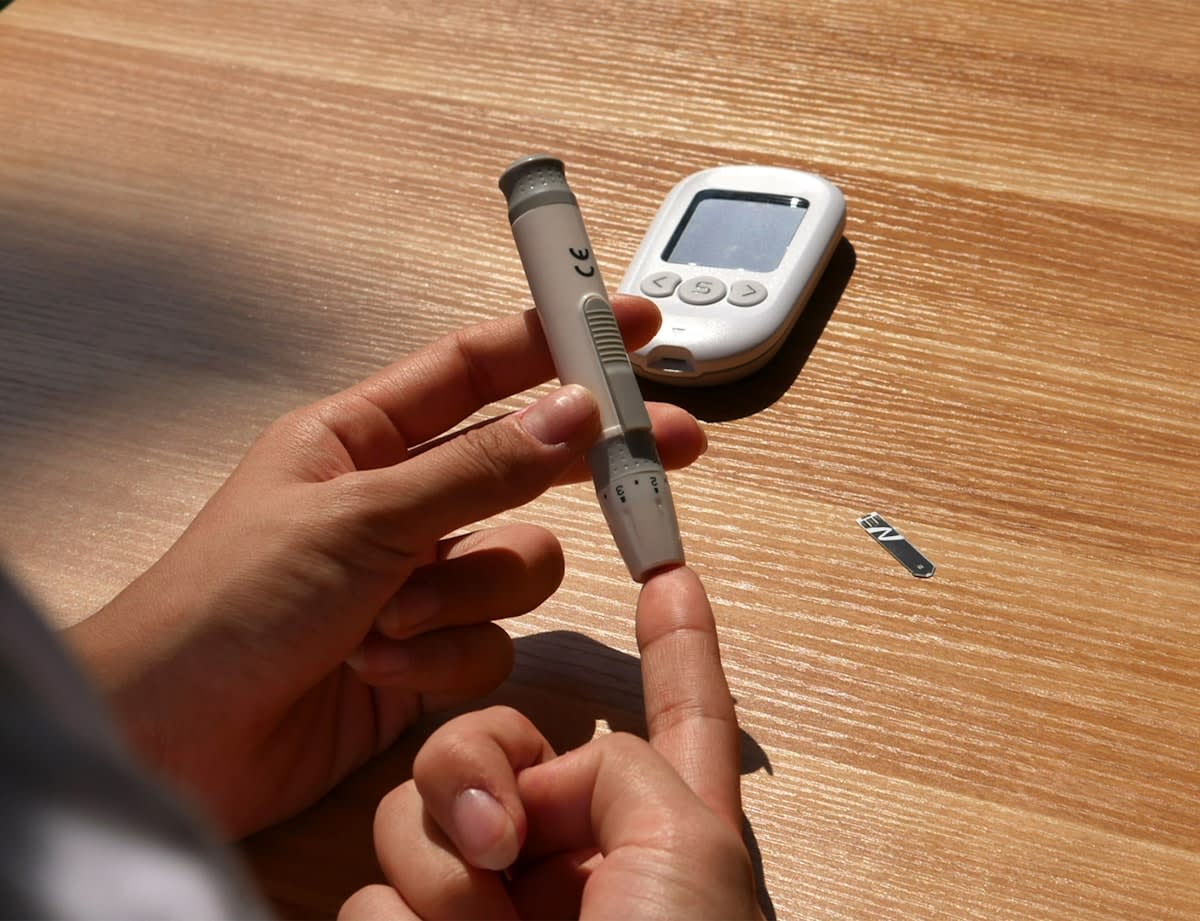
- Home Blood Glucose Monitor: For intermittent testing to identify specific food triggers (Source: Secovi, 2026).
- Detailed Food and Energy Log: To correlate macronutrient intake with the timing of the afternoon slump.
- Digestive Support: Enzymes to manage larger 'reward meals' and prevent digestive-induced lethargy (Source: Infinity Fitness, 2026).
- A Nutrient-Partitioning Framework: A plan for adjusting fats and proteins based on training and activity levels.
The Step-by-Step Execution Blueprint
- Establish Your Baseline: Use home tests to see how your body handles sugar day-to-day. Instead of chasing a perfect number, look for trends in how specific meals impact your energy levels two to four hours later (Source: Secovi, 2026).
- Implement Nutrient Partitioning: Use strategic supplements and meal timing to ensure glucose is directed toward muscle cells rather than stored as fat. This includes using nutrient-partitioning strategies and digestive catalysts to manage larger meals (Source: Infinity Fitness, 2026).
- Cycle Your Macronutrients: Avoid metabolic stagnation by varying your meal frequency and macronutrient ratios. A weight-training day should look different from a sedentary day to prevent the body from becoming 'stale' (Source: Infinity Fitness, 2026).
- Optimize Mitochondrial Fitness: Focus on activities and protocols that increase mitochondrial biogenesis and spare respiratory capacity, allowing your cells to switch between glycolysis and oxidative phosphorylation more efficiently (Source: Nature, 2026).
- Audit and Iterate: Review your energy logs weekly. Identify the 'trigger foods' that consistently lead to a slump and replace them with options that maintain a flatter glucose curve (Source: Akhmetov Foundation, 2026).
The core of the afternoon slump is often a failure in nutrient partitioning. When we consume high-glycemic loads without the metabolic infrastructure to handle them, the resulting insulin spike can lead to reactive hypoglycemia. To counter this, I implement what is known as a 'Reward Meal' system. Rather than fearing carbohydrates, we strategically time them around high-activity windows. By using digestive enzyme catalysts and omega-3 support, we can make these meals more productive for body composition and energy, rather than allowing them to become the catalyst for a mid-day crash (Source: Infinity Fitness, 2026).
Beyond just the food on your plate, we must address the cellular machinery. Metabolic flexibility—the ability to balance glycolysis and mitochondrial respiration—is what separates the energetic from the exhausted. In advanced biological contexts, such as T-cell optimization, researchers use AMPK activators and mTOR inhibitors to drive mitochondrial biogenesis and increase spare respiratory capacity (Source: Nature, 2026). While we aren't engineering CAR T-cells, the principle remains: mitochondrial fitness is the functional checkpoint for energy. If your mitochondria are inefficient, no amount of 'healthy eating' will fully eliminate the slump.
"There are some small studies that suggest improvement in physical activity, dietary choices, and overall blood sugar in select populations who do not have diabetes. But this is an area that needs more research before we recommend using [CGM] technology."— Dower, Expert cited in Verywell Health (2026)
This brings us to the great debate currently happening in the metabolic health community: the utility of the CGM for the non-diabetic. In my years of practice, I have seen a dangerous trend where clients become 'glucose obsessed.' They see a spike after a piece of fruit and panic, ignoring the fact that their overall metabolic health is excellent. A recent study in JAMA Internal Medicine suggests that for those without a diabetes diagnosis, these devices may offer no significant benefit (Source: Verywell Health, 2026). The friction on the ground is real; practitioners are divided between those who believe real-time data drives behavior change and those who argue it creates unnecessary anxiety without improving clinical outcomes.

To truly master your energy, you must view glycolysis and oxidative phosphorylation not as opposites, but as complementary programs. High-performing cells use both simultaneously or switch between them based on the biological context (Source: MDPI, 2026). When you are stuck in a 'glucose-only' mode, you are fragile. By incorporating fasting intervals and macronutrient cycling, you force your body to maintain its 'mitochondrial reserve,' ensuring that when the glucose drops, your brain has an immediate alternative fuel source to draw from, effectively deleting the afternoon slump from your calendar.
Common Pitfalls to Avoid
- The CGM Trap: Relying on a device for permission to eat rather than building intuitive metabolic flexibility (Source: Verywell Health, 2026).
- Monotonous Dieting: Eating the same 'healthy' meals every day, which can lead to metabolic staleness and decreased efficiency (Source: Infinity Fitness, 2026).
- Ignoring the 'Mitochondrial Gap': Focusing solely on blood sugar while neglecting the mitochondrial fitness required to actually process that energy (Source: MDPI, 2026).
- Over-reliance on Caffeine: Using stimulants to mask a glucose crash, which only further destabilizes the endocrine system.
Editorial Note
When implementing this blueprint, remember that individual food responses vary wildly. A food that causes a slump for one person may be a primary energy source for another. Always prioritize your subjective energy logs over generalized dietary advice.
Fact-Check & Accuracy Note
Key claims regarding the limited benefit of CGMs for non-diabetics are sourced from a study published in JAMA Internal Medicine (via Verywell Health, 2026). Data on mitochondrial flexibility and biogenesis are derived from research published in Nature (2026) and MDPI (2026). Strategies for nutrient partitioning and reward meals are attributed to Infinity Fitness (2026). The debate over CGM utility in healthy populations remains an ongoing point of contention in the medical community.