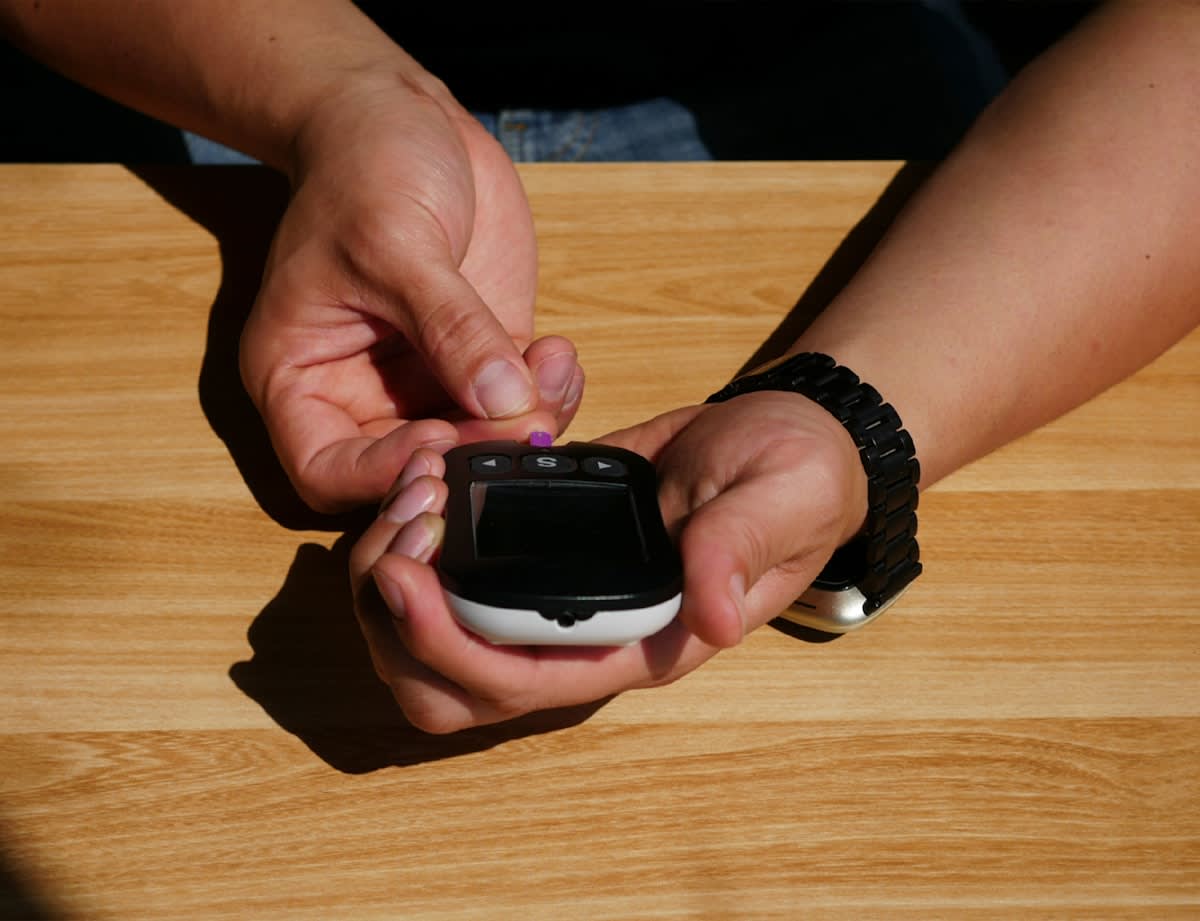
The Metabolic Myth of the 3 PM Crash
Your brain is a glucose glutton, but it hates volatility. When you slam a high-carb lunch—perhaps a large bowl of white rice in Seoul or a sourdough sandwich in Paris—your bloodstream floods with glucose. The pancreas responds with an aggressive insulin surge to clear the excess. This often overshoots the mark, plunging your blood sugar below baseline and leaving you staring blankly at your monitor while your brain screams for a nap. This is not a lack of willpower or a need for more caffeine; it is a physiological dip known as reactive hypoglycemia.
Why does the same meal leave one person energized and another incapacitated? The answer lies in individual glycemic response. Metabolic data reveals that two people can eat the exact same banana and produce entirely different glucose curves. One might see a gentle hill, while the other experiences a jagged mountain peak followed by a cliff-dive. Relying on generic dietary guidelines is a fool's errand because your biology is a unique fingerprint. To solve the crash, you must stop guessing and start measuring.
The Toolkit: Prerequisites for Metabolic Mastery
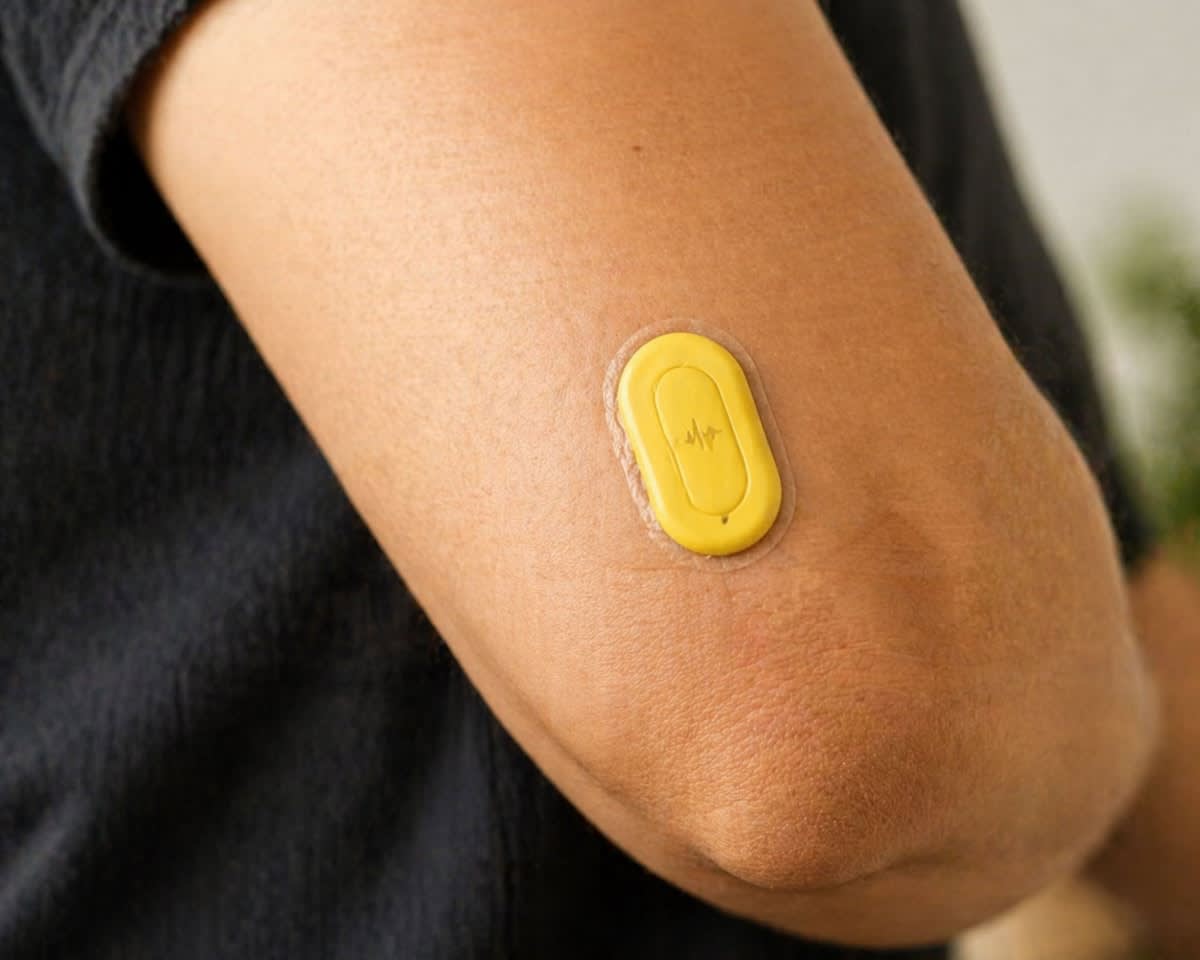
You cannot manage what you do not measure. To implement this blueprint, you need more than a calorie tracker or a fitness watch. You require a window into your interstitial fluid to see how your body reacts to specific triggers in real-time. This transition from static blood tests to dynamic data is where the real optimization happens. Most practitioners now leverage a combination of hardware and behavioral logging to identify the exact moment a meal turns from fuel into a liability.
- Continuous Glucose Monitor (CGM): A wearable sensor (like Dexcom or FreeStyle Libre) that tracks glucose levels every few minutes.
- Metabolic Log: A simple journal or app to record meal composition, stress levels, and sleep quality.
- Baseline Calibration: A 14-day window to observe normal fluctuations without altering your diet.
- Movement Tracker: A device to correlate post-meal activity with glucose stabilization.
The Step-by-Step Blueprint to Stability
- Establish a 14-day metabolic baseline to identify your personal 'spike' triggers.
- Implement nutrient sequencing by eating fiber and protein before carbohydrates.
- Deploy 'glucose buffers'—specific fats or acids—to flatten the glucose curve.
- Utilize post-prandial movement to activate GLUT4 transporters in the muscles.
- Iterate and refine your food choices based on the data-driven feedback loop.
The first phase is the silent observation period. For two weeks, do not change a single thing about your diet. Wear your CGM and simply watch. You might discover that your morning oatmeal, which you thought was healthy, sends your glucose skyrocketing to 160 mg/dL, leading to a crash by 11 AM. Or you might find that a high-fat breakfast in Mexico City, consisting of eggs and avocado, keeps you a rock-steady 90 mg/dL for five hours. This data removes the emotion from nutrition and replaces it with evidence.
Once you identify the triggers, move to nutrient sequencing. Order matters. Science shows that eating fiber and protein before carbohydrates significantly blunts the glucose spike. Imagine the difference between eating a bowl of pasta alone versus starting with a vinegar-based salad and grilled salmon. The fiber creates a physical mesh in the small intestine, slowing the absorption of sugars. This simple shift in sequence can reduce the post-meal peak by as much as 30%, preventing the subsequent insulin over-correction.

Now, introduce the glucose buffer. This involves adding a small amount of acid—like apple cider vinegar or lemon juice—or a healthy fat to your meal. In Southern Europe, the tradition of drizzling olive oil over vegetables is not just for flavor; it is a metabolic masterstroke. Fats slow gastric emptying, meaning the glucose enters your bloodstream as a slow trickle rather than a tidal wave. When you buffer your carbs, you preserve your mental clarity because the brain receives a steady stream of energy rather than a chaotic surge.
The final active step is post-prandial movement. You do not need a grueling gym session; a brisk 10-to-15-minute walk after lunch is sufficient. Muscle contraction activates GLUT4 transporters, which allow your muscles to soak up glucose without requiring a massive insulin response. For a corporate executive in Tokyo or a developer in Berlin, a short walk around the block can be the difference between a productive afternoon and a cognitive blackout. Data shows that light movement can lower peak glucose levels by up to 20%.
"The goal is not to eliminate glucose—your brain needs it—but to eliminate the volatility. Stability is the secret to high-performance cognition."— Chief Metabolic Consultant
Decoding the Data: What the Numbers Actually Mean
When reviewing your CGM graphs, stop looking at the average and start looking at the variability. Glycemic variability (GV)—the swing between your highest and lowest points—is a better predictor of brain fog than your average glucose level. A person with a steady 100 mg/dL will feel significantly more focused than someone who swings between 60 mg/dL and 160 mg/dL. High GV is an indicator of metabolic stress and often correlates with systemic inflammation and cognitive decline.
| Glucose Level (mg/dL) | Cognitive State | Required Action |
|---|---|---|
| 70-90 | Peak Focus / Flow State | Maintain current state |
| 100-140 | Stable / Functional | Monitor for upward trend |
| 150+ | Brain Fog / Lethargy | Immediate light movement |
| <70 | Shaky / Irritable / Anxious | Fast-acting glucose (fruit) |
Pro Tip: The Morning Surge
Beware of the 'Dawn Phenomenon.' Many people see a glucose spike upon waking despite not eating. This is your liver releasing glucose to wake you up. Do not mistake this for a food reaction; it is a hormonal signal that your body is preparing for the day.
Common Pitfalls in Metabolic Optimization
The most frequent mistake is the 'Zero-Carb Trap.' In an attempt to avoid spikes, some practitioners eliminate carbohydrates entirely. This often leads to a different kind of crash—the ketogenic flu or chronic fatigue—because the brain is deprived of its preferred fuel source. The objective is not carbohydrate avoidance, but carbohydrate management. Your goal is a gentle wave, not a flat line or a mountain range.
Another critical oversight is ignoring the stress-glucose link. Cortisol, the stress hormone, signals the liver to dump glucose into the blood to prepare for a 'fight or flight' response. You can eat a perfect, low-glycemic meal, but if you are in a high-stress meeting, your glucose will spike regardless. If your data shows spikes without food, look at your calendar. Stress is a metabolic trigger just as potent as a donut.
Finally, do not obsess over every single millimole. Metabolic health is a long game, not a second-by-second battle. Use the data to find patterns, not to induce anxiety. If you spend your entire day staring at your glucose graph, the resulting stress will actually trigger the spikes you are trying to avoid. Use the blueprint to build a system, then trust the system and get back to your work.