Cooked soya chunks vs cooked chicken breast: Which packs more protein per 100 grams?
Source Entity
The Indian Express
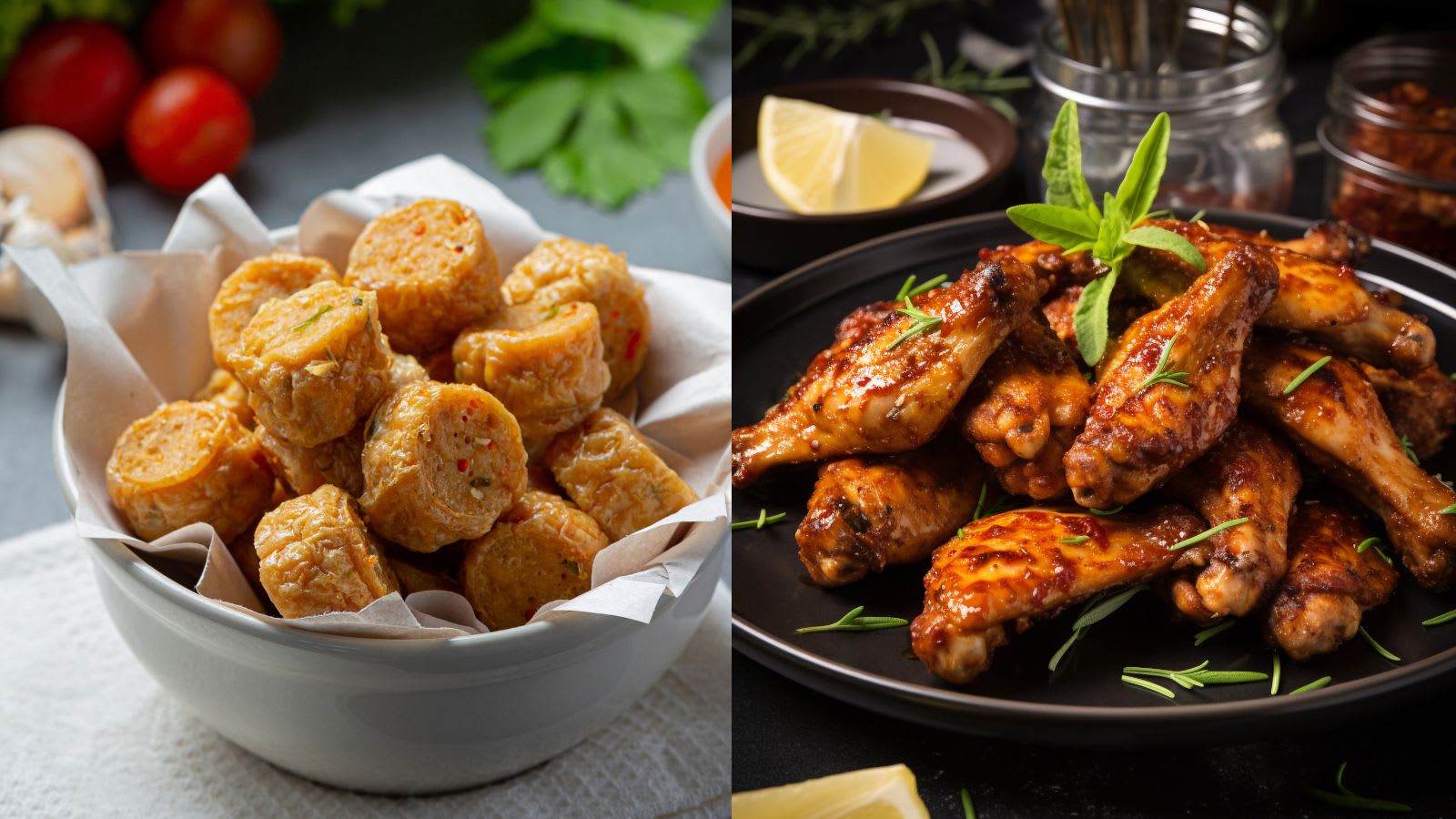
Soya chunks contain significantly higher protein levels than chicken breast in their dry form. However, nutritional comparisons must account for the preparation state and water absorption to provide an accurate dietary assessment.
The Protein Debate: Soya Chunks vs. Chicken Breast
In the realm of fitness nutrition, the debate between plant-based and animal-based protein sources is perennial. Soya chunks have long been hailed as a staple for vegetarians looking to mimic the high-protein intake associated with meat consumption. As dietician Garima Goyal points out, while both are nutrient-dense, understanding the metrics of their protein density requires a nuanced look at their physical states, specifically raw versus cooked forms.
Analyzing the Dry State Metrics
When examining the raw, dry composition of these foods, the disparity is stark. Soya chunks, a byproduct of soybean oil extraction, are highly concentrated in protein, boasting approximately 50–52 grams per 100 grams in their dry form. In contrast, raw chicken breast, while a high-quality complete protein source, contains about 22–24 grams of protein per 100 grams. This initial comparison often leads to the misconception that soya is definitively superior in all dietary contexts.
The Impact of Hydration and Preparation
It is critical to note that the preparation process significantly alters these figures. Soya chunks are dehydrated; when cooked, they absorb water, which substantially increases their weight and volume. Consequently, the protein concentration per 100 grams of the final, cooked product drops significantly. Conversely, chicken breast loses water during the cooking process, which can lead to a slight concentration of nutrients. Therefore, a direct 100-gram comparison of cooked foods yields a much tighter race than the dry weight statistics suggest.
Nutritional Complexity and Bioavailability
Beyond the raw numbers, fitness enthusiasts must consider the amino acid profile. Chicken breast is a complete protein, containing all nine essential amino acids in proportions optimal for human muscle synthesis. While soya is also considered a complete plant-based protein, the bioavailability—or how efficiently the body absorbs and utilizes the nutrients—can differ between plant and animal sources. This makes the choice of protein a matter of both personal dietary ethics and specific physiological goals.
Practical Implications for Diet Planning
For those looking to optimize their protein intake, the choice between soya chunks and chicken breast should be based on total daily macronutrient targets rather than isolated comparisons. Integrating both into a balanced diet can provide a wider array of micronutrients. As emphasized by the disclaimer provided, it is always essential to consult with a health practitioner or a qualified nutritionist before making significant changes to your dietary routine, as individual health needs vary greatly.
Conclusion: A Balanced Perspective
In summary, while soya chunks are a powerhouse of protein in their dry state, the final nutritional value is highly dependent on how the food is prepared and consumed. Understanding the distinction between raw weight and hydrated weight is the key to accurate macro-tracking. By focusing on the total protein intake throughout the day rather than fixating on a single source, individuals can effectively support their fitness and health objectives.